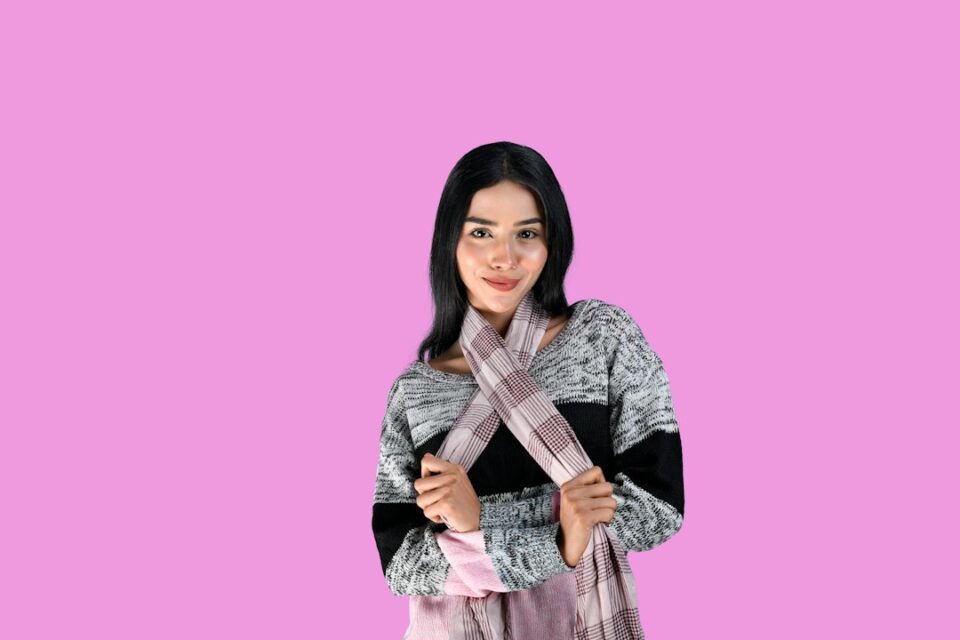
Accessorize with scarves is one of the quickest ways to change the mood of an outfit without replacing the outfit itself. A scarf adds color, shape, movement, and even a hint of storytelling: city-ready silk squares suggest polish, chunky knits read cozy and grounded, and gauzy cotton whispers of warm weekends. Whether you reach for a silky bandana, a generous pashmina, or a soft ribbed knit, the right choice can pull scattered pieces into a look that feels intentional. This guide breaks down types and sizes, six essential knots, pairing formulas for different necklines and layers, and care routines so your favorites stay bright and soft season after season.
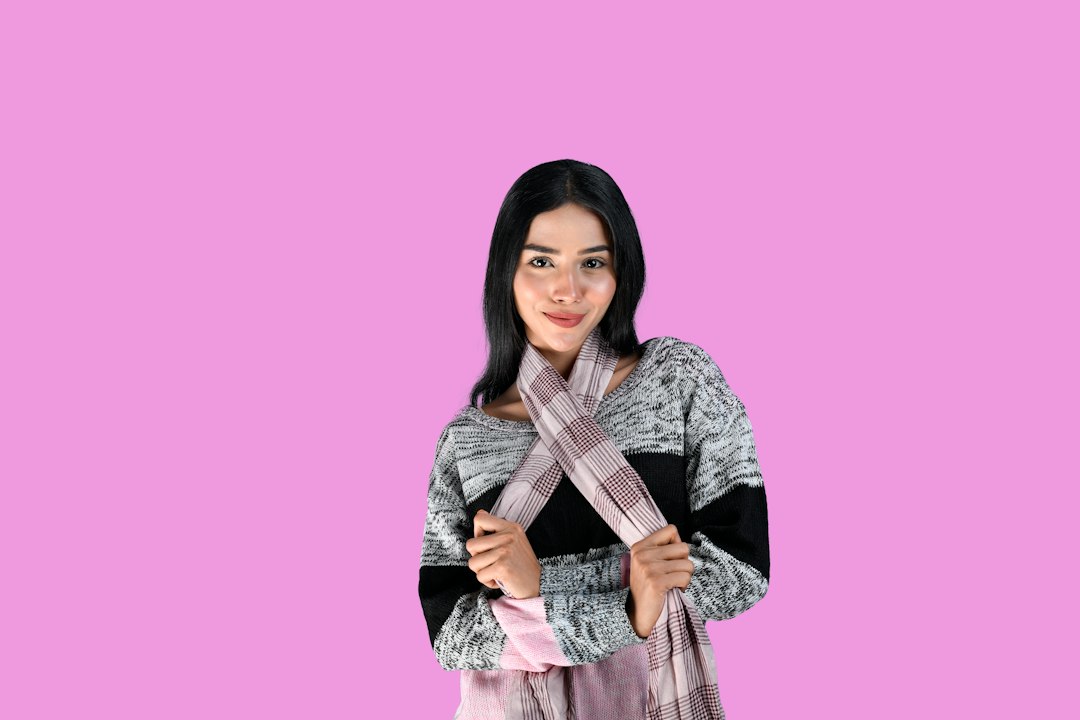
If you want more ideas for building outfits and mixing accessories, explore the latest styling guides and picks at Dio Fashions. Bookmark a few combinations that fit your week: a square scarf for work video calls, a long rectangle for travel days, and a wool wrap for windy nights out. With practice, you’ll start to see every scarf as a modular tool: color here, texture there, a knot that frames the face or elongates the line of a coat.
Accessorize with scarves: quick-start checklist
When you’re getting ready and short on time, use this fast checklist to decide whether a scarf helps the outfit and which one to pick. The trick is to think in dials you can turn up or down: color intensity, print scale, texture weight, and silhouette. Turn one dial up and let the others sit lower for balance.
- Purpose: Do you need warmth, structure, color, or polish? Choose a knit for warmth, a crisp silk for polish, a slub cotton for easy texture, or a bold print to add energy.
- Neckline map: High necks like crew and turtlenecks prefer long drapes or outside-the-collar ties. Lower necklines (V or scoop) love small squares and short ties that sit on the skin without bulk.
- Layer level: Under a blazer or trench, keep the knot flatter (French knot, classic drape). Over a sweater, you can go fuller (once-around wrap, reverse wrap).
- Color logic: Echo one color already in the outfit, complement your skin tone, or create contrast with the outer layer rather than the top underneath.
- Scale match: Small prints play well with delicate jewelry and slim collars. Large prints can balance wide lapels and relaxed coats.
- Length and volume: Petite frames often prefer medium lengths and lighter weights. Taller frames handle long rectangles and fuller knots easily.
- Exit test: Does the scarf control your eye in a good way? If it steals attention from your face or the overall silhouette, try a simpler knot or softer color.
Two finishing touches matter. First, hide tags and keep the seam on the underside of a fold. Second, treat the ends like hair: a little intentional mess can be charming, but you want it to look purposeful, not accidental.
Know your scarf types and sizes
Choosing the right type and size does half the styling for you. Every category has a job it does best, and understanding those jobs makes daily decisions easier.
- Square scarf (50–70 cm): Classic silk or satin squares that fold into triangles. Best for neckerchief ties, headbands, and bag-handle wraps. The 50–55 cm range sits light at the throat; 65–70 cm gives a little more presence for a French knot.
- Large square (90–110 cm): The iconic silk square. Wear as a bandana drape, a loose bib under a blazer, or folded into a wide head wrap. This size can also become a belt over a dress when folded and rolled.
- Long rectangle (160–200 cm × 30–40 cm): The everyday workhorse. Cotton, modal, viscose, wool, or blends. Great for the classic drape, once-around, European loop, and reverse wrap. This is the most flexible for travel and errand days.
- Oversized wrap/stole (200–220 cm × 70–100 cm): Dramatic volume for cool evenings and winter coats. Looks strong over a leather jacket or tailored coat. When belted at the waist, it becomes a soft sleeveless layer.
- Infinity loop: A closed ring. Extremely quick to use, works well for casual outfits and is friendly for windy days because it won’t flap. The volume is fixed, so choose a thickness that suits your frame.
- Bandana (45–55 cm): Usually cotton. Ideal for heat, hikes, or a casual graphic kick with denim. Tie cowboy-style under a jacket for a neat V that points to the waist.
Materials change the feeling: silk, satin, or cupro for shine and sharp folds; cashmere or merino for softness and warmth; cotton or linen for breathable structure; modal/viscose for fluid drape. Knits trap air and feel cozy; twills and satins hold a crease for crisp ties. If you sweat easily or live in a warm climate, lighter weaves and plant-based fibers keep you comfortable while still framing the face.
Six essential tying techniques (step by step)
Learning a few knots is like learning five chords on a guitar: suddenly you can play almost any song. These six cover most outfits, necklines, and temperatures. Practice with a mirror, then repeat a few times while watching TV—muscle memory makes morning styling easy.
- Classic drape (rectangle): Drape the scarf around your neck with ends hanging evenly. Leave it open under a blazer or trench. It lengthens your line and shows off prints without bulk.
- Once-around (rectangle): Drape with one end longer, wrap the long end once around your neck, and equalize the ends. Adjust so it sits just above the collarbone. Great with crewnecks and denim jackets.
- European loop (rectangle): Fold the scarf in half lengthwise, place around the neck, and pull the loose ends through the fold loop. Tighten or loosen to taste. Clean, warm, and commuter-proof; sits neatly under coats.
- French knot (square): Fold the square into a triangle, roll from the long side into a band, wrap around the neck once, tie a small double knot off-center, and tuck ends under the roll. This creates a polished, face-framing line—perfect for button-down shirts and blazers.
- Bandana drape (large square): Fold into a triangle, point forward, wrap ends around the neck, and tie at the back or slightly off-center. Loosen the front to a flattering “V.” Works beautifully with V-necks and under leather jackets.
- Reverse wrap (rectangle or wrap): Drape with ends even, wrap both ends around the neck in opposite directions, and let them fall in back. This secures warmth while cleaning up the front—ideal for structured coats and for keeping lapels visible.
Micro-tweaks make a big difference. For smaller faces, keep the knot off-center and a bit lower so the scarf doesn’t sit directly under the chin. For broader shoulders or a larger chest, lengthen the drape to pull the eye vertically. If your print is the hero, use a simpler knot; if your outfit is minimal, a puffier tie adds welcome dimension.
Match scarves to necklines, collars, and layers
Scarves interact with clothes the way frames interact with art. Matching shape to shape is the simplest method: V-necks like V-shaped bandanas, boat necks welcome long drapes, and sharp lapels love rolled silks. Here are reliable pairings that work on busy mornings.
- Crewneck sweaters and tees: Once-around or European loop for warmth; small silk square in a French knot for polish. If the knit is chunky, let the scarf sit outside the neckline rather than tucked in.
- V-neck and wrap tops: Bandana drape or small rolled square. The triangle echoes the V and creates a clean focal point near the face.
- Button-down shirts: French knot or narrow rolled square tucked under the collar like a ribbon. Open one extra button if you want a relaxed, Parisian vibe.
- Blazers and tailored coats: Classic drape or reverse wrap. Keep bulk low below the lapel line so the jacket retains its shape.
- Trench and utility jackets: European loop or once-around. These layers read practical; a tidy, functional knot fits the message.
- Off-shoulder and scoop necks: Small silk tied low and off-center, or skip the neck and tie the scarf as a headband or wrist wrap to keep the neckline clean.
When in doubt, try this two-step test: step back from a mirror and squint. If you see a single shape (a V, a vertical line, or a clean oval around the face), you’re on track. If the scarf and neckline fight for space, either change the knot or move the scarf to hair, bag, or belt.
Seasonal styling: warm weather to winter
Scarves are four-season tools, but the strategy shifts with weather. The goal is to balance insulation, breathability, and the story you want the outfit to tell.
- Spring: Light squares and modal rectangles in floral, stripe, or micro-geo prints. Use color to transition boots and darker denim into brighter days—think soft pastels or fresh green accents that echo new leaves.
- Summer: Keep fabric breathable (cotton voile, linen, very light silk) and wear it away from the neck during peak heat. Try headbands, ponytail ties, bag wraps, or a rolled belt over a breezy dress.
- Autumn: Introduce heathered textures, checks, and richer palettes (rust, forest, navy). Long rectangles and stoles layer easily over cardigans and denim jackets. Plaid bandanas instantly nod to the season without feeling costume-like.
- Winter: Wool, cashmere, and dense knits in long rectangles and oversized wraps. Lean on European loops and reverse wraps under coats to trap warm air. Monochrome sets with beanies and gloves feel sleek; fair isle or herringbone adds heritage texture.
Travel tip: pack two scarves that can talk to each other. A large neutral rectangle for warmth and volume plus a small printed square for color will create more combinations than two mid-sized options in similar fabrics.
Color, print, and texture strategy
Scarves are compact mood boards. A smart approach to color and print makes them feel intentional rather than random—and turns impulse purchases into useful staples.
- Echo or complement: Pick a scarf that repeats one color from your outfit (echo) or sits opposite on the color wheel (complement). Blue denim with an orange-peach print is an easy win; olive chinos love touches of lilac or blush.
- Anchor with neutrals: If your wardrobe skews neutral (black, navy, cream, camel), any scarf with a single strong color will pop. If your clothes are colorful, choose scarves with a neutral base and a restrained accent color.
- Scale and density: Small-scale prints read quieter and refined; large graphic prints read bold. Dense, all-over patterns feel energetic; sparse patterns feel calm.
- Texture mix: Pair smooth with fuzzy, crisp with slouchy. A ribbed knit next to a fluffy sweater can look overly heavy; try a smooth woven instead.
- Face tone harmony: Colors that flatter your face make the whole outfit look better. Try warm reds, terracotta, and camel if you glow in gold jewelry; try cobalt, fuchsia, or emerald if silver suits you best.
Print-on-print can work when you keep either color or scale consistent. Striped tee with a micro-dot scarf in two of the same colors? Effortless. If both patterns are loud, separate them with a jacket panel or choose a knot that shows more of one and less of the other.
Combine scarves with hats, bags, belts, and jewelry
Accessories talk to each other. A scarf is often the lead voice; let the others harmonize. Think in sets of two: scarf + earrings, scarf + bag detail, scarf + belt. Avoid clutter by giving one element the spotlight.
- Hats: With beanies and winter knits, keep scarf volume lower at the front (reverse wrap). With fedoras or wide brims, a long vertical drape keeps the silhouette tall.
- Bags: Wrap a small square around a handle to echo a color from your outfit. Keep prints cohesive—if the scarf is loud, choose a clean bag shape.
- Belts: Roll a silk square into a belt over dresses or high-waist trousers. It should feel like an accent line, not a waistband replacement—secure the knot slightly off-center.
- Jewelry: Earrings and scarves share the same stage near your face. If your scarf is shiny silk, matte hoops or studs are easy. If the scarf is matte and textured, a little shine in earrings or a delicate chain adds balance.
One more pairing rule: if you’re wearing a statement lip color, treat the scarf like another cosmetic. Either support the lip by echoing it softly in the print or let the lip be the only bold red and keep the scarf muted.
Context styling: office, travel, weekends, and events
The same scarf can read differently depending on circumstance. Use these templates to tune a scarf to the setting.
- Office/meetings: French knot with a silk square under a blazer, or a classic drape in a smooth woven that doesn’t shed. Stick to clean stripes, borders, and small geometrics. Keep tails tidy and off the keyboard.
- Travel/commute: European loop or once-around in a midweight rectangle. Prints hide creases, and mid-tones hide stains. Choose a fiber that feels okay on skin for long hours, like modal-cotton blends.
- Weekends/errands: Bandana or small square tied low with a denim jacket, or a long soft rectangle left open over a sweatshirt. Think relaxed textures, vintage-inspired patterns, and easy knots that still move with you.
- Evening/events: Silk satin in jewel tones, tied low and off-center or worn as a wrap over bare shoulders. If the dress is simple, let the scarf shimmer; if the dress has sequins or lace, choose a matte silk to avoid competition.
Photography tip: if you want the scarf to show clearly in pictures, lower the knot slightly and angle it off-center. This reduces shadow under the chin and lets prints face the camera rather than pointing straight down.
Care, storage, and longevity
A scarf is a fabric-first item. Treat the fiber well and it will return the favor with years of color and drape. Read care labels and follow these general practices.
- Silk and delicate weaves: Hand wash in cool water with a gentle detergent designed for delicates. Swish, don’t wring. Press water out with a towel, then lay flat to dry. Steam lightly on the reverse side or use a low iron with a pressing cloth.
- Wool, cashmere, and alpaca: Air garments after wear. When washing, use cool water and a wool-safe detergent. Support the weight when wet, lay flat to dry, and reshape edges with your hands.
- Cotton, linen, modal, viscose: Most handle hand washing well; some cottons go in a mesh bag on a gentle machine cycle. Shake out corners before drying to reduce wrinkles. For linen, embrace a bit of natural rumple—it signals ease.
- Stain triage: Blot, don’t rub. For oil-based spots (lip balm, salad dressing), sprinkle an absorbent powder for a few minutes before washing.
- Storage: Fold along existing creases for silk; roll knits to avoid fold marks. Keep in breathable bags or drawers with cedar to reduce fiber pests. Avoid hanging heavy scarves by a corner—weight can distort the weave.
Small repairs matter. A pulled thread can often be eased back in with a blunt needle from the reverse side. Loose hems on silk squares benefit from quick reinforcement with matching fine thread before they become full breaks.
Smart shopping: budget, quality, and sustainability
Building a scarf wardrobe doesn’t require a massive budget. Approach the category with a plan and a quality checklist.
- Start with gaps: Do you need warmth, color accents, or polish? Buy for the gap you’ll use weekly before you buy an occasional statement piece.
- Quality cues: For silk, look for smooth, even weave and hand-rolled hems with tiny stitches. For wool, check softness without itch, and hold up to light to see density. For prints, the reverse should show clear color (a sign of better printing or weaving).
- Value formula: Cost-per-wear is your friend. A mid-priced neutral rectangle that you wear 60 times beats a premium scarf that comes out twice a year.
- Secondhand and vintage: Scarves thrive in resale because sizes are flexible and good fabric lasts. Vintage silk squares can be unique art pieces; a quick steam revives them.
- Fabric honesty: Blends can be great, just know what you’re buying. A modal-wool blend delivers warmth with drape; a polyester-satin can be durable and budget-friendly but may feel warmer around the neck in summer.
If a print sings to you but doesn’t fit your usual palette, consider using it on a bag handle or as a head wrap so it doesn’t conflict with the clothes you wear most.
Common scarf mistakes and easy fixes
Even experienced scarf fans hit bumps. The fixes are usually simple.
- Problem: Scarf overwhelms your frame. Fix: Switch to a lighter fabric or tie lower and off-center; show more neck.
- Problem: Knot looks bulky under a blazer. Fix: Use a rolled square or classic drape; keep the knot below the lapel line.
- Problem: Colors fight with your top. Fix: Echo one color from the outfit or choose a neutral base scarf.
- Problem: Ends won’t sit neatly. Fix: Steam the scarf and try a knot that locks (European loop, reverse wrap). For silk, a tiny hairpin hidden at the back can discreetly secure a tail.
- Problem: Print feels too loud at the neck. Fix: Wear it in hair or on a bag. Or fold so more of the neutral edge shows.
As with any accessory, the best test is real life. Wear the scarf through a full day: commute, desk, errands. Adjust how tight it sits, where the knot lands, and how much pattern shows. Your comfort is the final styling guide.
Build a small, hard-working scarf capsule
A capsule focuses on utility and personality. Aim for eight pieces that collectively cover warmth, color, polish, and play.
- A neutral long rectangle (charcoal, camel, or navy) in a midweight woven for daily layers.
- A large silk square (90–100 cm) with a border print that suits your coloring—easy for office and events.
- A light cotton bandana in a favorite casual color for weekends and hair styling.
- A textured winter knit in a color that brightens your coat.
- A statement print you love (animal, abstract, or bold florals) to wake up simple outfits.
- A summer-weight rectangle (linen or gauze) in a soft pastel or seaside stripe.
- A silk satin mini (50–55 cm) for low knots, wrist wraps, or bag handles.
- An infinity loop for motion-heavy days when you want zero fuss.
Use this capsule as a base and add special pieces over time. Your goal isn’t to own every type—it’s to have the right few that you reach for without thinking.
Try this one-week scarf plan
If you enjoy structure, give yourself a week-long experiment to make styling automatic. Repetition builds instincts.
- Monday: Classic drape over a blazer with a neutral rectangle. Note where the ends fall—trim or widen lapels accordingly.
- Tuesday: French knot silk under a button-down. Keep the knot off-center and low for a relaxed mood.
- Wednesday: Bandana drape under a denim or leather jacket. Try a triangle point that sits right at the sternum.
- Thursday: European loop with a midweight rectangle for the commute. Test how it fits under your coat collar.
- Friday: Small rolled silk tied as a belt over a column dress or high-waist jeans.
- Saturday: Lightweight cotton rectangle open over a tee and shorts; then switch it into a headband for afternoon sun.
- Sunday: Oversized wrap belted over a knit dress for brunch, then tossed as a couch throw while you read.
Keep simple notes on what worked: ideal knot height, favorite color near your face, and which textures feel best with your jackets. Those notes become your personal scarf playbook.
Scarves reward attention to small details: a half-inch shift in knot height, a fold that reveals the border, a tone that repeats the stripe in a shirt. Start with the checklist, learn the six knots until your hands know them, and build a capsule that fits your climate and calendar. With those pieces in place, every scarf you own becomes a tool that earns its space—and every outfit gets an easy, expressive upgrade.