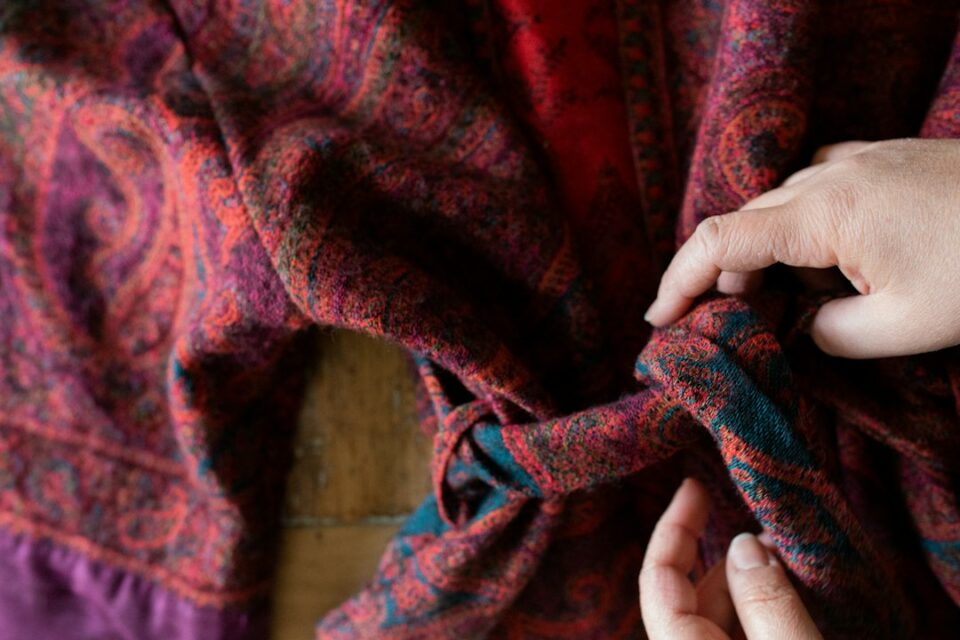
For ideas for tying a scarf, start with your scarf type—long/oblong, square silk, or blanket—then match your goal: polished, casual, or warm. Here is the no-guesswork path to the right knot and a tidy finish.
Use the 10-second picker below to choose a look, then follow the 2–3 step mini-guides in this article. You’ll get exact folds, sizes that work, and smart tweaks to keep silk from slipping or winter wraps from feeling bulky.
Quick ideas for tying a scarf: the 10‑second picker and fastest how‑tos
| Scarf type | Method name | Look | Warmth | Time | Difficulty | Slip‑resistance | Best fabrics/sizes | Best occasions |
|---|---|---|---|---|---|---|---|---|
| Long/oblong | The Drape | Casual | Low | 3–5 s | Easy | High | Wool, cashmere; 60–80 in | Errands, over blazers |
| Long/oblong | Once‑Around | Casual | Medium | 5–8 s | Easy | High | Knit, wool; 65–80 in | Commuting, weekends |
| Long/oblong | Parisian/European Knot | Polished | Medium‑High | 8–10 s | Easy | High | Wool, cashmere; 70–80 in | Work coats, city smart |
| Long/oblong | Overhand Knot | Polished | Medium | 10–12 s | Easy | High | Light wool; 60–75 in | Office, dinner |
| Long/oblong | Reverse Drape Tuck | Streamlined | High | 12–15 s | Medium | High | Soft knits; 70–85 in | Cold, under coats |
| Long/oblong | Turtleneck Wrap | Cozy | High | 15–20 s | Medium | High | Thick knits; 75–90 in | Deep winter |
| Long/oblong | Fake Knot | Creative | Medium | 15 s | Medium | High | Wool/silk blends; 65–80 in | Casual‑smart |
| Long/oblong | Pretzel Knot | Statement | Medium | 20 s | Medium | High | Supple wool; 70–80 in | Evening coats |
| Square silk | French Neckerchief | Polished | Low | 8–10 s | Easy | Medium | 27–36 in silk square | Suits, tees |
| Square silk | Italian Ascot | Elegant | Low‑Medium | 15–20 s | Medium | Medium | 35–36 in silk square | Dinner, events |
| Square silk | Cowboy Fold + Side Knot | Casual‑chic | Low‑Medium | 10–12 s | Easy | Medium | 27–36 in silk/cotton | Weekends |
| Square silk | Choker Wrap + Tiny Bow | Trendy | Low | 10 s | Easy | Low | 17–21 in skinny square | Evening, minimal looks |
| Blanket | Blanket Wrap (Cape) | Cozy | High | 15–20 s | Easy | High | 50–55 in square wool | Travel, layering |
| Blanket | High‑Warmth Wrap (Tucked) | Streamlined | High | 20 s | Medium | High | Long thick knit; 75–90 in | Windy days |
| Any long | Infinity Loop Hack | Minimal | Medium | 10–12 s | Easy | High | Light wool/cashmere; 60–75 in | Hands‑free |
Five fastest methods: 2‑step how‑tos
- The Drape (3–5 s, Easy, Warmth: Low): 1) Center scarf at back of neck. 2) Let ends fall evenly in front. Tip: looks best with structured coats.
- Once‑Around (5–8 s, Easy, Warmth: Medium): 1) Drape evenly. 2) Wrap one end once around neck; even out the tails.
- Parisian/European Knot (8–10 s, Easy, Warmth: Med‑High): 1) Fold scarf in half; place loop at one side of neck. 2) Pull both tails through loop; tug gently to sit flat.
- French Neckerchief (square) (8–10 s, Easy, Warmth: Low): 1) Fold square into a triangle, then roll from the long edge. 2) Tie a small front knot; slide slightly off‑center.
- Infinity Loop Hack (10–12 s, Easy, Warmth: Medium): 1) Tie the two ends of a long scarf together in a small double knot. 2) Put the loop over your head and twist once to make a figure‑8; pull the second loop over your head.
Common mistakes and quick fixes
- Bulky knot with thick scarves: pick flat knots (Parisian, Reverse Drape Tuck). Skip chunky wraps if you have a short neck.
- Uneven ends: start by centering the scarf at your nape; adjust while facing a mirror, then rotate the knot into place.
- Silk slippage: pre‑roll tightly, add a tiny matte bobby pin under a fold, or use micro magnets behind the knot.
- Too long tails: tuck tails under your coat lapels or into the scarf loop; for silk, roll one more time.
- Pattern overload: pair bold prints with simple knots; keep the focal point to one area (neck or chest).
- Overheating indoors: use low‑bulk ties (Overhand, Drape) with lighter fabrics.
Pre‑tie checklist (30 seconds)
- Confirm scarf size and thickness match the method (see sizes noted under each how‑to).
- Match knot to neckline: crews favor drapes, V‑necks favor longer lines, collared shirts love ascots and neckerchiefs.
- Decide your goal: warmth, polished, or casual; pick from the table accordingly.
- Center scarf at the nape and even the ends before the first wrap.
- Adjust the knot to look right in the mirror, then rotate it to the final position.
- For silk, add an anti‑slip aid (matte powder under the knot, micro magnets, or a tiny pin on the tag seam).
Choose the right knot for your scarf and outfit
Scarf type drives what works and how it feels on the body. Long or oblong scarves (60–80 inches) make everyday wraps and warmth‑first knots. Square silk (27–36 inches) delivers polish and color with minimal bulk. Blanket scarves (50+ inch squares or extra‑long knits) excel outdoors, layered over coats.
Fabrics and thickness matter. Slippery satin‑finish silk is glossy and elegant but can shift; twill or lightly textured silk grips better. Soft wool and cashmere drape nicely and resist sliding, while stiff acrylics can look bulky in big knots—keep those to flatter, flat wraps.
Pick by neckline and occasion. Crewnecks love the long vertical lines of the Once‑Around or Parisian Knot. V‑necks pair well with an Overhand or Fake Knot that echoes the V shape. Collared shirts and blazers look sharp with a French neckerchief or Italian ascot. For coats, a Reverse Drape Tuck or High‑Warmth Wrap sits flush and seals out wind.
Size guidance so you don’t fight the fabric:
- Square silk: 27–36 in (70–90 cm). 27–29 in for tight neckerchiefs; 35–36 in for ascots and cowboy folds.
- Long/oblong: 60–80 in (150–200 cm). Under 65 in for light styling; 70–80 in for wrapped warmth; 80–90 in for turtleneck wraps.
- Blanket: 50–55 in square or oversized rectangles. Anything larger needs flat, simple folds to avoid bulk.
If you’re building a scarf wardrobe, this companion piece covers outfit pairings and color strategy: How to Style a Scarf: Creative Ways to Enhance Your Look. For a deeper dive on scarf categories and when to use them, bookmark Accessorize with scarves: a complete guide to styles, tying and outfits.
Long/oblong scarves: step‑by‑step methods
Everyday classics
The Drape (best for 60–80 in; warmth low): Place the midpoint at the back of your neck. Let both ends fall evenly. Adjust so the ends skim your coat or blazer hem. Use when you want color and a vertical line without extra heat. Avoid if wind is strong; it may fly about.
Once‑Around (65–80 in; warmth medium): Drape evenly in front. Wrap one end around the neck once, leaving tails even. Tuck the wrap under your coat lapels for neat lines and easy removal indoors.
Polished and secure
Overhand Knot (60–75 in; warmth medium): Drape evenly. Cross right over left and pull through like the first step of tying shoes; let the knot sit near the collarbone. Slide knot slightly to the side for an effortless, tidy look.
Parisian/European Knot (70–80 in; warmth medium‑high): Fold scarf in half; bring the loop to one side of your neck. Feed both ends through the loop and snug down. Flatten the front and hide any tag edges under the loop. Works beautifully under coats and with crisp sweaters.
Warmth‑first
Reverse Drape Tuck (70–85 in; warmth high): Drape scarf around the neck with ends hanging back over your shoulders. Cross them behind your neck and bring them to the front; tuck both ends under the front wrap. This creates a clean, wind‑blocking collar.
Turtleneck Wrap (80–90 in; warmth high): Start with one short end (about chest‑height). Wrap the long end around your neck two to three times, stacking layers neatly. Tuck the tail under the wrapped layers. Great for deep winter or travel days.
Style twists
Fake Knot (65–80 in; warmth medium): Tie a loose overhand knot in one tail about 8–10 inches from the end. Slip the other tail through that loose knot and tighten. Adjust knot height to sit at mid‑chest. Avoid with very thick knits to keep bulk in check.
Pretzel Knot (70–80 in; warmth medium): Fold scarf in half; put the loop on one side of your neck. Pull one end through the loop. Twist the loop once, then pull the second end through the new loop. Smooth the weaving so it lies flat. Statement‑ready, but choose a supple fabric to avoid stiffness.
Who should skip what? If you have a shorter neck, prioritize flat knots (Overhand, Parisian) over the Turtleneck Wrap. If you’re petite, keep long tails proportionate—trim length by wrapping once more or tucking into the coat.
Square silk scarves: step‑by‑step methods
French Neckerchief (27–33 in; warmth low): Fold the square into a triangle. Starting from the long edge, roll toward the point into a long band. Wrap once around the neck and tie a tiny front knot; slide slightly off‑center. Secure with a micro magnet behind the knot if needed.
Italian Ascot (35–36 in; warmth low‑medium): Fold into a triangle. Roll from the long edge into a soft band, leaving the last few inches unrolled for a fuller look. Cross ends at the front, bring them to the back, cross again, then bring to the front and tuck one end into the loop to create a soft roll. Let the ends peek out or hide them for a clean finish.
Cowboy Fold + Side Knot (27–36 in; warmth low‑medium): Fold into a triangle. Place the point at the chest and wrap ends around the neck. Tie at one side with a small knot; fluff the point for dimension. Works with tees, denim, and relaxed blazers.
Choker Wrap + Tiny Bow (17–21 in skinny square; warmth low): Fold into a narrow band. Wrap twice around the neck for a close choker effect and tie a tiny bow at the side or back. Sleek with evening looks; add a silicone‑backed mini clip under the bow to reduce slip.
Silk slippage fixes: pre‑roll tightly, powder the inside of the knot lightly with a matte setting powder, or use micro magnets that sit under layers so nothing shows on the outside.
Blanket and winter scarves: cozy, no‑bulk ties
Blanket Wrap (Cape) (50–55 in square): Fold into a triangle and drape the point down your back like a cape. Bring the two ends forward over your shoulders and let them hang or secure with a slim belt at the waist. Keep the belt narrow so the look stays modern, not bulky.
High‑Warmth Wrap (Continuous, Tucked) (75–90 in long knit): Start with off‑center ends (one short, one long). Wrap the long end around two to three times to build a dense collar. Tuck both tails into the wrapped layers to seal out drafts. This sits flat under a coat.
Infinity Loop Trick (60–75 in): Tie the scarf ends together in a small double knot to make a loop. Put the loop over your head, then twist to create a figure‑8 and pull the second loop over your head. Slide the joins to the back or hide them in a fold. Hands‑free and great for errands.
Hooded Wrap for Wind (long knit or blanket square): Drape the scarf over your head like a hood with ends in front. Cross ends under your chin, wrap once around the neck, then bring ends to the front and tuck into layers. Adjust the hood edge to frame your face neatly. Choose soft knits to avoid stiff corners near your cheeks.
No‑bulk principles: keep layers flat, align wraps edge‑to‑edge, and tuck ends rather than tying large knots. With heavy fabrics, switch to loop‑through knots (Parisian, Reverse Drape Tuck) instead of bows or double knots.
French vs Italian ways—and what’s trending in 2026
French approach: small silk neckerchiefs and off‑center knots, minimal bulk, and a hint of asymmetry. A rolled square tied with a tiny knot at the collarbone or slightly to the side reads crisp and effortless with suiting, tees, and denim. Prints do the talking; the knot stays minimal.
Italian approach: fluid drapes, ascots, and subtle volume. Think a 36‑inch square rolled with a soft, fuller front or a long scarf arranged to cascade inside a coat. Fabrics are rich—twill silk, cashmere blends—and the mood is romantic, not rigid.
What’s modern in 2026: skinny‑scarf revival with blazers and slip dresses; tonal sets (scarf matching sweater or coat); patterned squares with tailored suits. To update your knots: shift neckerchiefs off‑center, flatten bulky wraps for cleaner lines, and let skinny scarves hang long with a small overhand or choker wrap. If you want a complete accessory strategy, see Accessorize with scarves: timeless ways to style every outfit for color and pattern ideas you can reuse all season.
Keep it neat: anti‑slip, care, and storage
- Friction hacks: add a touch of matte hair texturizer to the inside of a silk knot, or layer silk over a cotton tee collar. Small silicone‑backed clips or micro magnets (hidden under layers) can hold the knot in place without showing.
- Sneaky pin placement: for airy fabrics, pin on the tag seam or under a fold. Never pierce delicate silk edges—only through rolled seams or doubled fabric.
- Tie, adjust, rotate: do your adjustments facing the mirror. Once the knot looks right, rotate it into position rather than retying.
- Fabric‑smart care: silk likes gentle hand‑washing with a silk‑safe cleanser and flat drying away from heat; store rolled loosely to avoid sharp creases. Wool and cashmere benefit from airing out between wears; fold flat and store with cedar to lower moth exposure.
- Travel folds: for squares, roll around a soft sock; for long scarves, loosely coil and place in a shoe bag. Unpack and hang in the bathroom while you shower; steam helps relax folds.
- Longevity tweaks: rotate favorite scarves so one knot doesn’t create permanent creases; for silk, vary where you tie so the same spot doesn’t wear.
Quick answers people ask
How do you tie a silk scarf around your neck? Use the French neckerchief for polish: fold into a triangle, roll, wrap once, tie a tiny knot, and slide off‑center. For a softer look, choose the Italian ascot: roll, cross at the front, bring to the back and forward, then tuck one end into the loop.
How do you tie a scarf the Italian way? Favor fluid drapes and ascots. Use a 35–36 in silk square rolled into a soft band. Cross ends at the front, bring to the back, then return to the front and tuck. Keep volume subtle, not tight.
How do you tie a scarf like the French? Keep it minimal, off‑center, and low‑bulk. A small square in a tight roll with a tiny knot at the collarbone does the job.
What is a modern way to tie a neck scarf in 2026? The choker wrap with a tiny bow (using a skinny square) or a long scarf worn as a slim overhand under a blazer. Keep lines clean and knots small.
What’s the best way to tie a scarf for warmth without bulk? Choose flat, tuckable wraps: Reverse Drape Tuck, Parisian Knot with a soft knit, or the High‑Warmth Wrap with tails tucked into layers. Align edges and avoid thick, stacked knots.
With the right method for your scarf type and neckline, you’ll get a look that stays neat, feels comfortable, and fits the moment—workday, weekend, or winter wind.