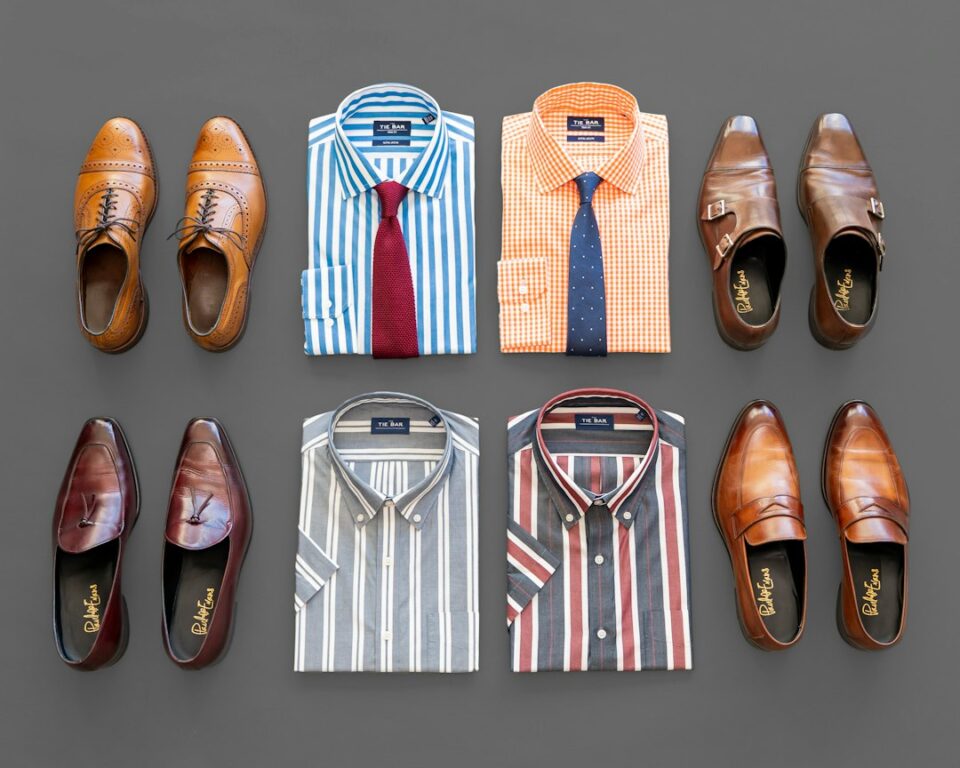
If you want a closet that works hard every day, start with men’s wardrobe essentials. This guide explains exactly what to buy, how to judge fit and fabrics, how to layer, and how to maintain your clothes so they keep looking sharp. Whether you’re rebuilding from scratch or refining an existing lineup, you’ll find practical checklists, comparisons, and outfit formulas you can use right away.
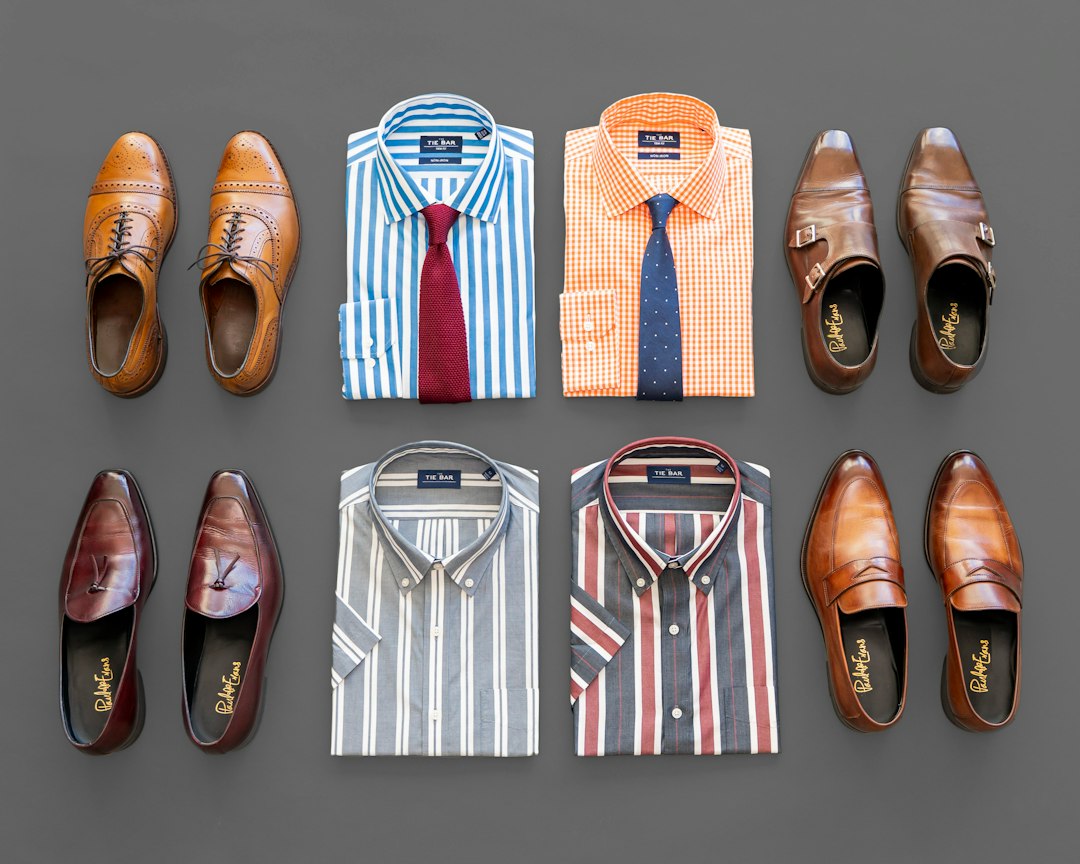
Your men’s wardrobe essentials checklist
Most closets fail because they’re full of items that don’t work together. A reliable wardrobe focuses on pieces that combine easily, look good in many settings, and are durable enough for routine wear. The list below anchors that system. Treat it as a flexible blueprint rather than a rigid prescription—your climate, job, and lifestyle may nudge a few choices up or down the priority list.
- Outerwear: mid-weight chore jacket or overshirt, smart topcoat, versatile rain shell
- Tailoring: navy or grey blazer, charcoal wool trousers
- Shirting: two Oxford cloth button-downs (white and light blue), one crisp poplin dress shirt, one casual flannel
- Knitwear: crewneck merino sweater, lightweight cardigan or zip mock
- Bottoms: dark indigo denim, mid-grey wool trousers, flat-front chinos in a neutral shade, summer-weight linen-blend pants
- Footwear: white leather sneakers, brown leather loafers or derbies, black dress shoes, weather-ready boots
- Accessories: leather belt in black and brown, watch with simple dial, wool scarf, beanie, everyday bag
- Underlayers: high-quality tees, performance socks, season-appropriate underwear
That mix covers office days, informal evenings, travel, and seasonal changes. Build slowly, upgrade deliberately, and reward yourself by replacing weak links when you identify them. To see curated options that map to this list, visit DIO Fashions for current Men’s Clothing picks.
Fit fundamentals: measuring once, tailoring often
Fit is the difference between looking average and looking intentionally put together. Two men can wear the same jacket; the one with a cleaner fit will always look better. Start by capturing basic measurements: chest (measured around the widest point), shoulders (from seam to seam on your best-fitting jacket), sleeve length (from shoulder seam to wrist bone), neck (around the base where a collar sits), waist (just above the hip bones), seat (fullest point of your hips), inseam (from crotch to hem), and thigh (fullest point). Record them, then compare against size charts rather than guessing based on your usual size.
Expect differences between brands: one company’s medium can fit like another’s large. When you try on a garment, check these landmarks. Shoulders should hug without divots or pull lines. Jacket sleeves should end at the wrist bone; dress shirt cuffs can show a half inch under a blazer. Shirt collars should allow two fingers inside the buttoned collar without discomfort. Trousers should sit comfortably at your natural waist without a belt; if they fall without a belt, they’re too big. Denim should hug the seat and upper thigh without collapsing into heavy folds; if you can pinch more than an inch of fabric at the thigh, try a slimmer cut or have them tapered.
Almost every closet benefits from basic tailoring. Shorten sleeves, hem trousers, and taper legs to clean up silhouettes. A good tailor becomes part of your maintenance team, keeping garments in the rotation longer by solving fit issues and minor repairs. Small adjustments compound: a $20 sleeve shortening can make a $150 jacket look like a much more refined piece.
Fabrics and seasons: understanding fibers and blends
Fabrics control comfort and longevity. Learn what different fibers really do. Cotton, especially in Oxford cloth or twill, offers breathability and durability for shirts and chinos. Poplin is crisp and more formal; Oxford reads casual. Linen breathes better than any plant fiber and excels in heat; it wrinkles charmingly, especially in blends. Wool is a category, not a single fiber: merino is fine and soft, good for sweaters, while worsted wool is smooth and crisp for tailoring. Lambswool is warmer but can feel coarser. Cashmere brings warmth and softness but requires gentler care and a bigger budget. Synthetic fibers like polyester and nylon add strength, stretch, and moisture management when used sparingly in blends; too much synthetic content can trap heat or give a plastic sheen.
Think of cloth in terms of weight. A 140–160 gsm Oxford shirt is great year-round. A 240–280 gsm flannel thrives in colder months. Denim weights vary: 10–12 oz for comfort, 13–16 oz for durability and structure. In tailoring, all-season worsted wool around 250–300 gsm covers most climates. In hot weather, look for high-twist wool or open-weave fabrics that breathe and resist wrinkles. For outerwear, a tightly woven cotton shell (like Ventile) resists rain; for colder months, seek wool blends or insulated synthetics that balance warmth with weight.
Blends are often your friend. Cotton-linen shirts wrinkle less and breathe better than pure cotton in heat. Wool-silk-linen blazers carry the texture of linen, drape of wool, and a bit of sheen from silk. Performance chinos with a 2–5 percent elastane content move better during long commutes. Read labels, but judge fabrics by hand feel, drape, and how they look in natural light.
Building a capsule wardrobe: 12 core pieces that mix and match
The goal of a capsule wardrobe is flexibility: fewer items, more outfits. Aim for twelve high-utility pieces that combine across categories and seasons. Think in layers and neutral tones so you can create contrast or tonal harmony without effort. The list below is straightforward, but the power lies in how each piece interacts with the others.
- Navy blazer: pairs with grey trousers, khaki chinos, or even dark denim; dress it up or down.
- Charcoal wool trousers: office-ready; mix with knitwear, blazers, and crisp shirts.
- Dark indigo denim: clean, minimal, and versatile with sneakers or dress shoes.
- Stone or khaki chinos: a casual backbone that bridges smart and relaxed looks.
- White Oxford cloth button-down: the classic multipurpose shirt.
- Light blue Oxford cloth button-down: alternative staple; works under any knit or blazer.
- Crisp white poplin dress shirt: interviews, formal events, and sharp office days.
- Merino crewneck sweater (mid-grey): layers over shirts; plays well with blazers.
- Lightweight cardigan or zip mock (navy): adds warmth; easy on/off indoors.
- Chore jacket or overshirt (olive or navy): bridges seasons; casual structure.
- White leather sneakers: go-anywhere modern shoe.
- Brown leather loafers or derbies: smart option that works with many outfits.
Add a topcoat for winter and a rain shell for wet months when your setting demands it. If you live in a warm climate, shift weight and fabric choices: swap heavier knits for breathable polo knits and choose unstructured blazers in high-twist wool or linen blends. The key is balance—each addition should unlock new combinations rather than duplicate what you already have.
Shoes and belts: pairing, rotation, and care
Shoes frame your outfits and take the most abuse, so plan carefully. A minimal rotation ensures longer life and fits most calendars. White leather sneakers cover casual to smart-casual contexts. Brown leather loafers or derbies anchor business casual and dressy occasions. Black oxfords or plain derbies are still the default for formal settings. Add a pair of weather-ready boots—something like a service boot or Chelsea in brown or black—for cold or wet weather.
Match belts to shoes by color family and finish. A brown belt with brown shoes and a black belt with black shoes keeps lines cohesive. For sneakers, a casual webbing belt can be appropriate, but leather still looks best when you stack layers or wear a blazer. Pay attention to belt width: 1.25–1.5 inches is a versatile range that works with dress trousers and chinos.
Rotation is a quiet superpower. Give leather pairs at least a day off between wears to let moisture evaporate. Use cedar shoe trees to absorb moisture and keep shape. Wipe dust after each wear, brush suede with a soft brush, and condition leather periodically with a neutral cream. These small routines keep shoes presentable and extend their life many seasons.
Smart layering techniques
Layering allows you to adapt to buildings, commutes, and weather without changing your core outfit. The principle is simple: build from breathable base layers to structured outer layers, controlling texture and weight as you go. Start with a tee or an Oxford shirt as the base. Add a mid-layer like a merino crewneck or cardigan. Finish with a blazer, chore jacket, or shell depending on dress code and conditions.
Balance silhouettes as you layer. A slim base layer supports a trimmer mid-layer; a chunkier knit wants slightly roomier outerwear. Play with texture: smooth poplin under a textured knit adds depth; a flannel under a sleek blazer feels seasonally right. Use color intentionally. Keep base and mid-layers tonal for a sleek look, or introduce contrast with knitwear or outerwear to draw attention upward toward the face.
Mind the collar stack. Spread collars sit well under blazers; button-downs lock in place under knitwear. Zip mocks add a modern edge and frame the face when unzipped. For transitional weather, an overshirt provides structure without the heat of a heavy jacket. In rain, a lightweight shell over a knit maintains breathability while keeping you and your knitwear dry.
Color palettes and coordination
Color doesn’t need to be complicated if you start with grounded neutrals. Build a base with navy, grey, white, black, and olive. These tones mix seamlessly and suit most settings. From there, add a few accent colors that flatter your skin tone—think muted burgundy, forest green, or dusty blue. Keep accents to one or two items per outfit to maintain cohesion.
Two coordination strategies cover most scenarios. Tonal dressing stacks shades of the same color family—for example, navy blazer, light blue shirt, and dark denim—and creates a calm, elongated silhouette. Complementary contrast uses opposite tones to create energy, such as a navy blazer with khaki chinos and a mid-grey knit. Anchor contrast with a neutral so the eye has a resting point. When adding patterns, start subtle: thin stripes, small checks, or a light herringbone. Mix one pattern per outfit until you’re comfortable layering pattern on pattern.
When in doubt, reduce the color count. A three-color rule—two neutrals and one accent—keeps combinations easy to manage. Use accessories like scarves and pocket squares for small injections of color rather than large surfaces like trousers or outerwear. Over time, you’ll build instincts about which pairings feel right for your setting and complexion.
Accessories that matter
Accessories turn good outfits into finished ones. Focus on pieces that add function and polish without shouting. A simple watch with a clean dial bridges work and weekend. Switch straps—leather for smart looks, nylon for casual—to stretch one watch across contexts. Scarves in wool or cashmere blends add warmth and texture; choose solid neutrals or quiet patterns and let the knot sit naturally rather than tightening sharply against the neck.
Belts keep lines tidy, but avoid overly heavy hardware that distracts from the garment lines. Hats should be practical and unobtrusive. A ribbed beanie in navy or charcoal complements most winter outfits; in sunny climates, a minimal cap protects without pulling attention away from the outfit. Bags matter more than people admit: a simple leather tote, canvas weekender, or structured backpack keeps your silhouette organized and protects fabrics from pocket bulge.
Finally, socks and underlayers deserve consideration. Merino-blend socks manage moisture and resist odor. Undershirts with a close fit and a deep V stay invisible under open collars. These small decisions keep your outer layers clean and comfortable, protecting your investment and simplifying laundry cycles.
Maintenance: laundry, storage, and garment care
Clothes last longer when cared for thoughtfully. Read the care label, but adjust based on fabric and construction. Wash less often than habit suggests—especially knitwear and denim—so fibers keep their structure. Spot clean small marks with a damp cloth and gentle soap. For shirts, wash on a cool cycle, button collars and cuffs to protect shape, and line-dry on hangers whenever possible. Avoid high heat in dryers, which can weaken fibers and shrink garments.
Knitwear appreciates gentler routines. Hand-wash or use a wool cycle, lay flat to dry, and use a fabric comb to remove surface pills instead of pulling them. Suits and blazers should visit the dry cleaner sparingly; steam them after wear to relax wrinkles and refresh. Between seasons, store woolens clean in breathable garment bags, using cedar blocks to deter moths. For shoes, insert cedar trees, wipe down after wear, and rotate as discussed earlier.
A small home kit pays off: a handheld steamer, a soft brush for wool, a lint roller, a sweater comb, and quality hangers with broad shoulders for jackets. Good hangers maintain shoulder shape; wire hangers can deform tailoring. Set up a simple routine: five minutes after work to hang and brush, a weekly sweep for laundry and steaming, and a seasonal closet audit to spot items that need repair or replacement.
Shopping strategy: budget, quality, and timing
Buy with intent and you’ll save money while looking sharper. Start by ranking your needs: if you lack a navy blazer and proper footwear, prioritize those over trend items. When budgeting, allocate more to items that see frequent wear and benefit from better construction—think shoes, outerwear, and tailoring. Save on items where the quality curve flattens quickly, like cotton tees or casual accessories.
Quality cues aren’t mysterious. Examine stitching density and cleanliness. On shirts, look for tidy seams, reinforced side gussets, and smooth buttons. On tailoring, check for natural shoulder lines that follow your frame and lapels that roll gracefully. In shoes, inspect leather grain and sole construction; Goodyear-welted or Blake-stitched soles can be refurbished, extending lifespan significantly. Synthetic-heavy fabrics can work in activewear or rain shells, but for daily wear, natural fibers and thoughtful blends typically feel and drape better.
Timing helps. Shop at the turn of seasons for promotions, but avoid buying items you won’t wear for months unless the value is clear. Use a one-in, one-out rule to keep volume in check: when you add a blazer, consider moving an underused jacket out. Keep receipts and test items at home under different light to confirm color and fit with existing wardrobe pieces.
Outfit formulas for key occasions
Having a few reliable formulas reduces decision fatigue and keeps you consistent. For the office with a business-casual dress code: navy blazer, light blue Oxford, charcoal trousers, brown derbies, and a mid-grey merino sweater in colder months. For a creative office: chore jacket, white tee or knit polo, dark denim, and white leather sneakers. For interviews or formal meetings: charcoal suit or navy suit, white poplin dress shirt, conservative tie if needed, black oxfords, and a neat pocket square.
For date night: unstructured navy blazer, open-collar Oxford, dark denim, brown loafers, and a light scarf in cooler weather. For weekend errands: overshirt over a tee, chinos, white sneakers, and a simple cap. For travel: knit polo, cardigan or zip mock, dark denim or travel-friendly trousers, and a light shell in your bag. Think in terms of anchors (blazer, jacket, or knit), base layers (shirt or tee), and grounding pieces (trousers and shoes). Rotate color accents through knitwear and accessories to keep the formula fresh.
Write these formulas down and refine them over time. When something feels off, isolate the variable: is it the shoe formality, the jacket structure, or the color balance? Adjust one element at a time until the outfit clicks. Over months, you’ll build a personal library of outfits that require little thought yet consistently feel right.
Climate and travel considerations
Climate shapes your priorities. In hot regions, emphasize breathable weaves—high-twist wools, linen blends, seersucker—and unstructured jackets. Opt for lighter colors that reflect heat and a rotation of shirts to manage perspiration during long days. In cold climates, plan for a thermal system: base layers in merino or technical blends, dense knit mid-layers, and outerwear that blocks wind while allowing some airflow to avoid overheating indoors.
Travel rewards planning. Choose wrinkle-resistant fabrics and versatile color schemes so each piece plays multiple roles. Pack around two footwear options—a smart shoe and a clean sneaker—and use shoe bags to protect clothing. A compact steamer or wrinkle-release spray helps refresh garments after flights. Pack a small kit with a lint roller, spare buttons, and a sewing needle for emergency fixes.
When crossing climates, layer strategically: wear or carry the bulkiest items to save luggage space, and ensure your base layers handle both cool mornings and warmer afternoons. A packable shell is a lightweight insurance policy against sudden weather changes.
From plan to practice: your 30-day wardrobe reset
Turning strategy into results happens one day at a time. Use this simple plan to reset your closet over the next month without overhauling everything at once.
- Days 1–3: Audit. Pull everything out. Group by category and try items on. Note what fits, what needs tailoring, and what should be donated.
- Days 4–6: Fit fixes. Take two or three high-impact items to a tailor: trousers to hem, denim to taper, sleeves to shorten.
- Days 7–9: Core replacements. Refresh worn-out essentials—white Oxford, socks, tees, and one pair of shoes if needed.
- Days 10–15: Outfit testing. Build five outfits using the capsule list. Take quick mirror photos so you can compare silhouettes and color balance.
- Days 16–20: Layer and color experiments. Introduce one accent knit or shirt; test tonal and complementary pairings.
- Days 21–25: Maintenance routines. Set a laundry schedule, practice steaming, and brush knitwear and shoes after wear.
- Days 26–30: Gaps and upgrades. Identify the one addition that unlocks the most outfits—maybe a navy blazer or versatile boots—and acquire it thoughtfully.
By pacing the work, you maintain momentum and avoid impulse buys. Document what you learn and keep a short list of future upgrades. Revisit the process seasonally so your wardrobe adapts with your life and environment.
Putting it all together
A focused closet is simpler to live with and easier to maintain. Use the checklist, fit practices, fabric knowledge, and formulas to create a reliable system. Add pieces slowly, upgrade deliberately, and support your investment with smart care. When you need inspiration or thoughtful options that align with this approach, explore the latest selections at diofashions.com, where you can align new additions with the essentials you already own. Over time, your wardrobe will feel like an extension of your intentions—consistent, comfortable, and ready for whatever your day brings.