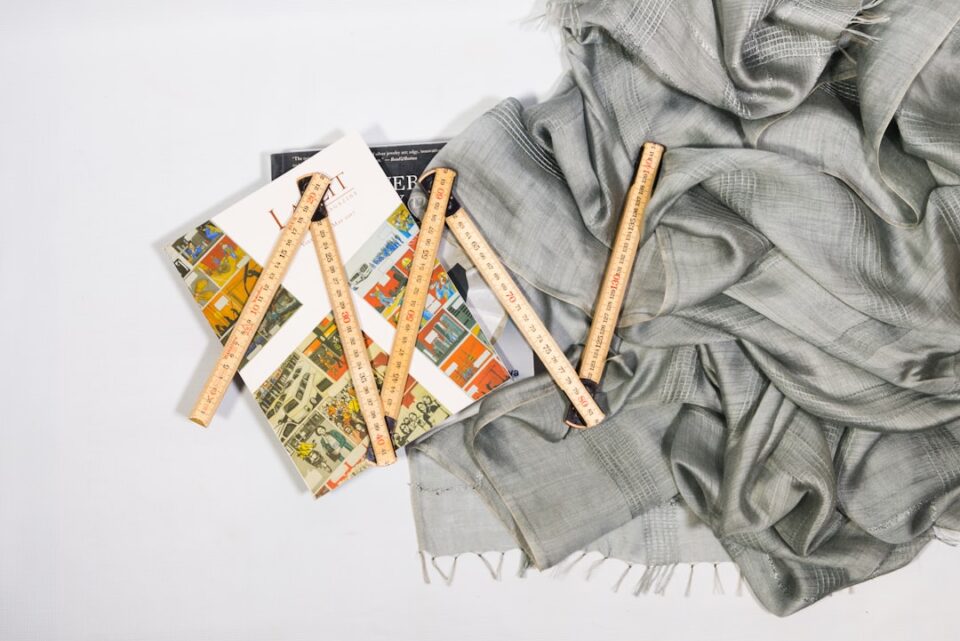
Accessorize with scarves is one of the simplest ways to change the mood of your outfit without buying a whole new wardrobe. A scarf can soften a blazer, sharpen a tee, pull a color story together, or add texture when your look feels flat. With a few well-chosen pieces and a handful of repeatable techniques, you can dress up, dress down, and travel lighter while still feeling expressive and polished.
Think of scarves as the most versatile accessory toolbox you own. They can behave like a necklace, a belt, a hair accessory, a bag charm, even a layer that keeps you warm. In this guide you’ll learn how to pick fabrics and sizes, match colors and prints, tie knots that sit neatly all day, and fold a scarf into your existing wardrobe so it works hard for you in every season and setting.
If you enjoy building a flexible accessory wardrobe, you can explore more style notes on our site. For inspiration and new posts, visit Dio Fashions and bookmark your favorite looks. Now, let’s set you up with practical know-how you’ll use immediately.
Accessorize with scarves: core principles
Before diving into fabrics and knots, anchor your choices with a few simple rules that keep scarf styling easy and consistent:
- One focal point per look. If your scarf is bold in color or print, keep jewelry minimal. If the scarf is subtle, you can layer in earrings or a cuff.
- Balance the scale. Small neckerchiefs complement open necklines and delicate jewelry; larger rectangles balance coats and chunky knits.
- Repeat a color twice. If your scarf includes navy and tan, echo one of those colors in shoes, bag, or belt to tie the outfit together.
- Comfort first. The right scarf disappears into the outfit so you barely notice it. If it scratches, slips, or feels bulky, change the fabric, knot, or size.
- Use a styling formula. Outfit formulas reduce decision fatigue. A few good ones: tee + blazer + silk square; knit dress + long rectangle; trench + skinny scarf.
Keep those principles in your pocket. They’ll help you decide faster and enjoy the result more because you’re designing on purpose, not guessing in the mirror.
Know your fabrics and why they matter
Fabrics control drape, warmth, and sheen. Matching fiber to function is the difference between a scarf that behaves and one that fidgets all day.
- Silk (and satin): Lightweight with a luminous finish, silk glides and knots neatly without bulk. Best for neckerchiefs, bag-tie accents, and evening looks. Satin weaves (silk or polyester) give similar shine; test for breathability if you run warm.
- Wool: From merino to lambswool, it traps heat with gentle loft. Choose tightly woven wool for windblocking and blanket scarves; choose merino for finer drape under coats.
- Cashmere: Soft, warm, and lightweight with a subtle halo. It’s ideal for cold offices, flights, and dress coats. Store carefully and de-pill as needed.
- Cotton: Breathable, washable, and casual. Great for bandanas, summer weights, and prints. Cotton squares hold structure for crisp knots.
- Modal/viscose: Airy, light, and often budget-friendly. They drape beautifully for long rectangles and can mimic silk flow without the cost, though edges may fray faster if quality is low.
- Linen: Textured, cool, and relaxed. Expect natural wrinkle which adds character. Excellent in heat with breezy outfits.
- Knits (jersey, rib): Stretchy, cozy, and casual. They work as elongated scarves and infinity loops, often in solid colors, and stay put easily.
Quick pairing guide: silk for polish, wool for warmth, cotton for casual, linen for summer texture, modal for flow, knits for comfort. When in doubt, choose a fiber that matches your climate and dress code, then build color and print on top.
Size and shape: what each silhouette does best
Scarves come in squares, rectangles, and everything in between. Pick shapes that match your wardrobe architecture.
- Small square (45–55 cm): The classic neckerchief. Wears like a short necklace. Perfect with crew-neck tees, button-ups, and blazers. Also ties easily on handbag handles.
- Large square (70–90 cm): More options: French knot, draped triangle, or halter-style in summer. Large squares can act like a mini shawl over dresses.
- Skinny scarf: Long and narrow. Great for a subtle vertical line under a blazer, tied as a bow, or used as a belt on light fabrics.
- Rectangular/oblong (standard 180–200 cm): The workhorse for loops, drapes, and wraps. Ideal with coats and cardigans or for travel buses and flights.
- Blanket scarf: Oversized, often square. Best for real warmth and dramatic volume. Keep the rest of the outfit slim to avoid bulk-on-bulk.
- Infinity loop: A pre-joined circle. Zero-fuss, stays put, and easy to layer with casual looks.
Proportion tip: Match scarf volume to garment volume. A blanket scarf over a slim turtleneck looks balanced; over a bulky sweater it can overwhelm. Conversely, a skinny scarf disappears under heavy outerwear but reads chic against a lightweight shirt.
Color and pattern strategy that actually works
Color and print are why scarves are fun. They can whisper or shout, and they can rescue outfits that feel plain. Use a few simple rules to make every choice look deliberate.
- Build a base of neutrals: Navy, camel, gray, black, ivory. Neutrals layer easily across seasons and let one or two bold pieces shine.
- Use the color wheel: Complementary (blue-orange), analogous (blue-green), and monochrome (all shades of one color) combos each tell a different story. Pick one and commit.
- Scale matters: Pair small-scale prints (pin dots, tiny florals) with textured knits; pair large-scale prints with clean, minimal clothing so the motif can breathe.
- Stripe safety: Stripes play well with many prints because they read as structure. If you’re unsure, a striped scarf is often the easiest pattern to integrate.
- Repeat a color: Echo a scarf color in shoes, bag, belt, or lip color. The repetition acts like visual glue.
- Shine and texture: Satin finish adds evening polish; matte cotton or linen softens daytime looks; subtle metallic threads add just enough shimmer for events without competing with jewelry.
If you love prints but fear chaos, limit yourself to one patterned item plus one textured item per outfit. Everything else stays simple. You’ll get variety without confusion.
Tying methods: step-by-step moves you’ll actually use
Here are versatile knots and wraps organized by scarf type. Practice each once in a mirror and you’ll have muscle memory forever.
For small or large squares
- Classic neckerchief (square knot): Fold into a triangle, roll from the long edge toward the point, wrap around your neck, tie a small knot slightly off-center. Tuck tails under or let them peek out.
- French knot: Fold into a triangle, roll, wrap around the neck once, tie a knot and rotate the knot to the side. Works with button-ups and blazers.
- Bandana triangle: Fold into a triangle, place the point in front, tie ends behind your neck. Adjust drape to fill a V-neck or soften a crew neck.
- Halter-top hack (large silk square): Fold into a triangle, tie the two long ends behind the neck, cross the remaining point at mid-back and tie to the neck strap or tuck into a bandeau. Use in hot weather with high-waist skirts or trousers.
For rectangular/oblong scarves
- Simple loop: Fold in half, place around your neck, pull both ends through the loop. Adjust tightness. Great under coats.
- European loop with twist: Same as the simple loop but twist the loop once before pulling ends through for a braided look.
- Waterfall drape: Place the scarf around the neck with one end much longer. Loop the long end once around your neck and let it fall forward. The short end hides underneath.
- Belted wrap: Drape evenly over shoulders, belt at the waist. The scarf becomes a soft, sleeveless layer over a dress or knit.
- Shoulder toss: Drape with ends equal; toss one end across the opposite shoulder so the back view shows a neat line. Minimal, iconic, and fast.
For skinny scarves and special uses
- Bow tie: Center the scarf at your neck and tie a small bow for a feminine note under a blazer or cardigan.
- Belt tie: Thread through belt loops and tie a single knot or short bow at the hip. Works on lightweight trousers and skirts.
- Bag handle wrap: Spiral around a top handle or tie a single knot at one side as a color accent. Coordinate with shoes or lipstick.
- Head wrap or headband: For squares, fold into a band and tie at the nape or top; for rectangles, wrap once and knot at the side. Use bobby pins under the knot to keep it secure.
Staying-power tips: A tiny hair elastic looped over the ends before tying can add grip. A soft spritz of static spray on knits prevents cling. For silk, a light knot is usually enough; over-tightening crushes the fabric and can wrinkle edges.
Outfit formulas for every season and dress code
Use these repeatable combinations to eliminate decision fatigue and still look different each day.
Spring
- Trench + striped rectangle + loafers: Neutral trench with a striped viscose scarf adds movement; pair with jeans or cigarette pants.
- Shirt dress + cotton bandana: Tie a small square at the neck; add espadrilles. Switch to a headband tie for windy days.
Summer
- Tank + silk square + wide-leg trousers: Light shine at the neck elevates a simple base. Add slides and a straw tote.
- Slip dress + skinny scarf: Tie low and long for a subtle vertical line. Add minimal earrings to avoid crowding.
Autumn
- Blazer + tee + large square: A patterned square worn triangle-style fills the neckline and adds warmth without bulk.
- Cardigan coat + wool rectangle: Belt the scarf under a long cardigan to create shape. Boots complete the linear silhouette.
Winter
- Coat + blanket scarf: Triangle fold, wrap once, and tuck. Keep the coat open to show the drape or close it for maximum warmth.
- Turtleneck + cashmere oblong: Drape a long cashmere scarf and toss one end over your shoulder. Sleek and practical.
Work
- Button-up + silk neckerchief: Tie off-center for a hint of color; pair with tailored trousers and loafers or low heels.
- Suit + tonal rectangle: Choose a scarf one shade lighter or darker than the suit for a depth effect without contrast.
Evening
- Little black dress + satin square: Choose a subtle sheen and either a French knot or a loose drape. Let the scarf echo your clutch or shoes.
- Jumpsuit + skinny metallic scarf: Tie long and slim to draw the eye down; keep jewelry minimal to avoid crowding the neckline.
These formulas work because they’re modular. Swap a print for a solid, linen for silk, or a triangle for a loop and you’ve created a new outfit without reinventing anything.
Beyond the neck: creative places to wear a scarf
Scarves don’t have to sit at your collar to earn their place. Use them to add color, texture, or function elsewhere.
- Hair: Band-style headbands, ponytail wraps, and turban ties lend polish on no-wash days. Stick to light fabrics to avoid weight.
- Hat band: Wrap a skinny scarf around a fedora or sun hat. It’s a quick way to coordinate with shoes or bag.
- Bag charm: Tie a small square to a tote handle. Rotate patterns by season and use it to introduce a touch of print to plain bags.
- Wrist wrap: A narrow scarf tied in a small bow or wrap adds softness next to a metal watch or bracelet.
- Belt substitute: Thread a long, slim scarf through belt loops for a casual drape that softens structured trousers or skirts.
- Neckline filler: Under a deep V, a triangular scarf acts as both style and coverage.
Placement rule: If you add a scarf away from your face, avoid another heavy focal point at the neckline. Two competing anchors split attention; choose one hero.
Pairing scarves with jewelry, hats, and belts
Good accessory combinations feel like a conversation, not an argument. Use these guidelines to keep harmony when layering.
- Necklace vs scarf: Pick one. If you want metal near the face, choose earrings instead and let the scarf play the necklace role.
- Earrings: Studs or small hoops are easiest with neck scarves. Larger hoops or statement earrings pair better with minimal scarf ties (simple drape, long skinny) so nothing catches.
- Belts: If the scarf is voluminous, use a slim belt; if the scarf is slim or simple, a wider belt can carry weight elsewhere so the look balances.
- Hats: With a hat and scarf together, keep one neutral. For visual flow, match scarf texture to hat texture (e.g., wool-on-wool) or contrast sharply (silk with felt) but keep colors coordinated.
- Metals and prints: Mixed metals are fine. To avoid chaos with prints, let the scarf be the only major print or keep the second print very subtle (a tiny pinstripe).
If you feel “over-accessorized,” remove one item, then check your reflection for a clean focal point. Often the smallest edit restores balance.
Care, storage, and maintenance
Scarves last for years when you treat them well. A few simple habits protect shape, color, and hand feel.
- Washing: Check labels. Silk usually prefers hand-wash in cool water with gentle detergent or dry cleaning. Wool likes cool water and minimal agitation. Cotton and modal often machine wash in delicates bags.
- Drying: Lay flat on a towel to dry. Avoid wringing. For silk, press in a towel roll to remove water, then lay flat.
- Pressing: Steam from a small distance. For silk, press on low heat with a cloth between iron and fabric. Avoid direct heat on prints to prevent shine.
- De-pilling: Use a sweater stone or fabric shaver gently on wool and cashmere. Work lightly to avoid thinning edges.
- Storage: Fold along the bias to reduce sharp creases. Small squares store well flat in drawers; long rectangles can hang on padded hangers. Cedar blocks or lavender sachets discourage moths.
- Travel: Roll scarves instead of folding to minimize creases. Pack a small zip bag for storing a scarf you remove during the day, so it doesn’t pick up makeup or perfume from other items.
Edge care: Hand-rolled hems are a quality sign and deserve gentle handling. Avoid pinning through edges or tugging knots hard; your scarf will repay the kindness with years of wear.
Smart shopping and a capsule scarf wardrobe
Buying every pretty pattern is tempting, but a small, intentional selection goes further and costs less over time. Build a capsule that covers the most use-cases, then add “fun” pieces slowly.
Start with five:
- Silk square in a signature color: Your go-to polish piece.
- Neutral wool or cashmere oblong: Cold-weather anchor that goes with everything.
- Striped or dotted rectangle: Your default pattern for structure.
- Skinny scarf in black or navy: Minimalist line for suits and jumpsuits.
- Seasonal cotton or linen square: Warm-weather texture and easy wash care.
Quality clues: Clean, even hems; smooth, consistent weave; vibrant print registration; soft hand without plastic feel in synthetics. If possible, hold the fabric up to the light—dense, even threads indicate durability.
Budget and sustainability: Vintage markets and consignment shops are treasure troves for silk squares and unique prints. Natural fibers often outlast budget synthetics and feel better against skin. When possible, prioritize items you’ll wear at least 30 times; that “cost per wear” filter keeps collections focused and reduces waste.
If you’re building a wardrobe blueprint and want ideas for what to pair with your new scarves, our articles in the Accessorize with series at Dio Fashions offer plenty of inspiration you can adapt to your own closet.
Troubleshooting and common mistakes
Most scarf frustrations come from two things: the wrong fabric for the job, or a mismatch between scarf volume and outfit volume. Here’s how to fix the usual suspects.
- “My scarf keeps slipping”: Choose a fabric with more grip (cotton, modal, knits), or tie a less slippery knot. A tiny elastic under the knot adds friction without showing.
- “It looks bulky”: Switch to a lighter fabric or smaller size, or change to a drape instead of a loop. Belt a rectangle to compress volume neatly.
- “The print clashes”: Reduce prints elsewhere. Keep one hero print (the scarf) and let other pieces be solid or textured neutrals.
- “It’s too warm”: Use linen, cotton, or silk, and switch to off-neck ties like long skinny drapes or headbands. Smaller coverage equals cooler wear.
- “It looks too fussy”: Try a simple shoulder toss, basic loop, or minimal skinny line. Remove one other accessory to simplify the frame around your face.
- “Edges fray”: Check seam quality before buying; at home, wash gently and avoid high heat. Trim loose threads and reinforce with a tiny dab of fabric glue on the underside if necessary.
- “Static on knits”: Apply an anti-static spray lightly or use a metal hanger touch trick—briefly touch the knit to a metal hanger to discharge static before wearing.
When in doubt, pause and apply the core principles: one focal point, balanced scale, repeat a color. The fix almost always sits inside those three moves.
Quick-reference formulas and checklists
Bookmark this section or screenshot it to keep in your phone.
Fast outfit formulas
- Casual polish: Breton tee + high-rise jeans + silk square + loafers.
- Office ready: Button-up + blazer + skinny scarf + tailored trousers.
- Coat power: Camel coat + wool rectangle + ankle boots.
- Evening ease: Little black dress + satin square + clutch.
- Weekend travel: Knit dress + belted viscose rectangle + sneakers.
Mini care checklist
- Steam instead of iron whenever possible.
- Roll for travel; unroll to breathe overnight.
- Store with cedar or lavender to protect natural fibers.
- Hand-wash silk and wool with gentle detergent; lay flat to dry.
- De-pill wool and cashmere seasonally.
Personalization prompts
- Pick a signature color that flatters your skin tone and repeat it across two scarves.
- Choose one neutral, one pattern, and one textured scarf as your starting trio.
- Decide on a default knot for workdays and another for weekends to save morning time.
Scarves reward repetition. The more you use a few formulas, the better you see where to experiment. Build a base, then add whimsy where it makes you smile.
Bringing it all together
A great scarf collection isn’t huge; it’s intentional. Pick fabrics that match your climate and lifestyle, sizes that suit your garments, colors that link your outfits, and knots you can tie in a few seconds. Repeat a color to create cohesion, keep one focal point, and balance scale. With those simple moves, your scarves will start to feel like the most reliable styling tool you own.
If you’re ready for your next step, revisit your closet: identify the pieces you wear most, list the gaps a scarf could fill (warmth, polish, color), and select one scarf to solve each. Then practice just two knots this week. The payoffs show up quickly—in compliments, in comfort, and in that quiet feeling that your outfit finally matches your intent.