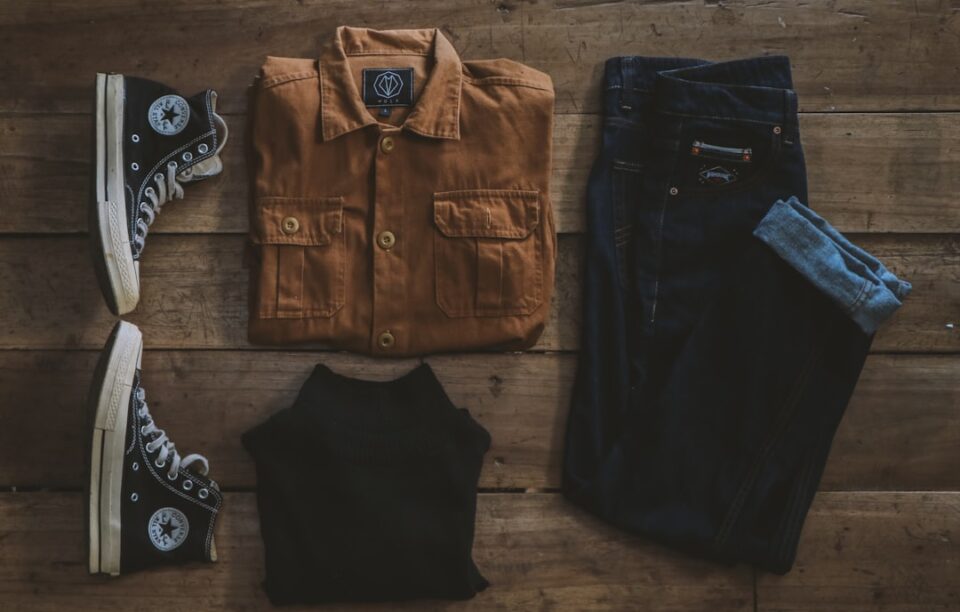
capsule wardrobe for casual fashion works best when it fits the week you actually live, not the one you picture when you are in the mood to shop. If your days move between work, errands, travel, coffee runs, and late dinners, a smaller set of steady pieces can make dressing feel lighter and faster. It also gives you a cleaner view of what earns space in the closet and what only creates noise. If you want more everyday style ideas, browse the Dio Fashions homepage.
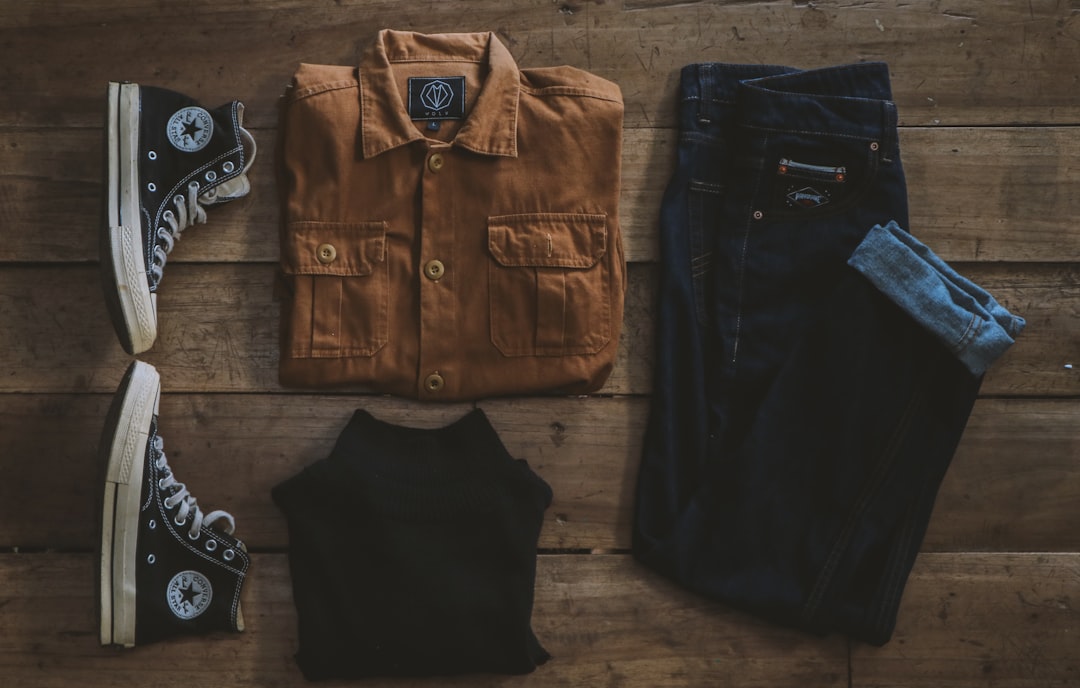
This article is a practical system, not a style sermon. I am going to walk through the parts that matter most, the choices that make the biggest difference, and the habits that keep the system useful after the first burst of motivation fades. The aim is simple. Make casual dressing easier, repeatable, and more personal without filling the closet with extra pieces that all compete for attention.
Why a smaller casual wardrobe feels easier to wear
Casual clothing looks simple from the outside, but that is exactly why it can become messy. A rack full of T-shirts, denim, knit layers, sweatshirts, shoes, and jackets can still leave you with nothing that feels right. The issue is rarely a lack of clothes. It is usually a lack of structure. A capsule turns the closet from a storage space into a system.
When the pieces are chosen to work together, dressing becomes less like a search and more like assembly. You stop asking whether every shirt matches every pant because the answer was built into the group from the start. Your favorite jeans work with most tops. Your clean sneakers work with the pants you wear the most. Your light jacket bridges more than one season. That overlap is what makes the wardrobe feel calmer.
There is also a mental side to it. Too many options can slow you down, but a set of familiar pieces can make mornings easier to read. You know which top works with which bottom. You know which layer finishes the outfit without making it feel heavy. You know which shoes carry the tone you want. That level of clarity matters on rushed days, when the last thing you want is a closet debate.
A casual capsule also works because casual life is repetitive in a good way. Most weeks contain a few recurring scenes. Home and errands. Work and home. Weekend plans. Short trips. The same handful of clothes can cover those scenes if the palette, fit, and fabric choices are sensible. That is a far better use of space than owning many single-purpose items that only look good with one other thing.
One useful way to think about it is this. A wardrobe is not successful because it is large. It is successful because it keeps up with your real life. If you are wearing the same four or five combinations anyway, the honest move is to shape the wardrobe around those combinations instead of pretending you need a much bigger spread.
That is why a capsule wardrobe for casual fashion often feels like relief rather than restriction. You are not trying to look minimal for its own sake. You are trying to create a closet that responds quickly, stays coherent, and leaves room for your actual day.
capsule wardrobe for casual fashion: choosing your base palette
The easiest way to make casual outfits work together is to narrow the color story. A calm palette reduces the number of decisions you have to make, and it makes mixing pieces far easier. You do not need to live in beige to get that benefit. You just need a small number of colors that speak to one another.
Start with a foundation. White, off-white, black, navy, gray, stone, olive, and denim blue often work well because they are easy to repeat in different combinations. From there, choose one or two accent colors that feel like you. A washed green, muted rust, soft blue, or warm brown can add personality without breaking the system. The point is not to create a strict code. The point is to make most things capable of working together.
When you compare possible colors, ask a few practical questions. Does this shade work with my shoes? Does it still look good after a few washes? Can I wear it in more than one season? Can I pair it with three pieces I already own? If the answer is yes across the board, the color is probably useful. If it only works with one exact outfit, it may be too narrow for a capsule.
Texture matters almost as much as color. A navy tee in soft jersey feels different from a navy tee in heavier cotton. A stone overshirt in brushed fabric gives more depth than a smooth one. A pair of denim jeans with visible texture can anchor the rest of the outfit better than a flat fabric. The capsule gets stronger when the palette is simple but the surfaces have enough variation to keep things interesting.
Here is a simple way to build the palette.
- Choose two or three anchor neutrals
- Add one denim tone that works across the week
- Select one dark shoe color and one lighter shoe color
- Use one accent shade for tops, layers, or accessories
- Keep the loudest colors in a small minority
If you like visual order, think of the closet as a conversation between dark, light, and mid-tone pieces. You want enough contrast to keep the outfit readable, but not so much that every item feels like it belongs to a different mood. A casual capsule is at its best when the colors look calm on a hanger and even calmer when you grab them in a hurry.
This is one of the strongest habits I have found in casual style. A focused palette saves money, reduces hesitation, and makes repeated wear feel intentional rather than accidental. It is a quiet improvement, but it changes how the whole closet behaves.
Build the core pieces around the way you move
Before adding anything interesting, define the core pieces that carry the week. That usually means tops, bottoms, layers, shoes, and outerwear. Each category should have a job. If an item does not get worn often, it probably does not need to take up prime space.
For tops, most casual wardrobes do well with a few plain tees, one or two heavier tees, a clean button-up, and one knit top or polo-style layer if that fits the person. The exact count depends on laundry rhythm and climate, but the principle stays the same. Keep the base pieces simple enough to pair with most bottoms. If a shirt only works with one pant, it may be too specialized for the core.
For bottoms, many people feel most comfortable with two or three shapes. Straight denim, relaxed chinos, and a softer pant can cover a large range of settings. If you prefer a neater shape, the wardrobe can lean that way. If you prefer a looser line, it can lean that way instead. What matters is not the trend. What matters is whether the silhouette matches how you like to move.
Layers carry more weight than many people realize. A cardigan, overshirt, sweatshirt, knit zip layer, or lightweight jacket changes the outfit without requiring a full redesign. The best layers work over several tops and still look balanced when you take them off. They should also fit your climate. A warm city asks for different support than a cooler one.
Shoes deserve serious attention because they can make the same clothes feel sharp, relaxed, heavier, or more polished. A clean sneaker often does most of the daily work. A second pair with a slightly different shape or sole can fill a different role. If the weather shifts, a sturdier pair can handle that shift. The right shoe list usually ends up shorter than people expect.
Outerwear should complete the system rather than dominate it. A denim jacket, bomber, chore coat, light trench, or compact puffer can all work, but each one should complement the clothes you already wear the most. If the jacket only looks good with one outfit, it probably does not belong in the main rotation.
A useful starter list might look like this.
- 5 to 7 tops in related colors
- 2 to 4 bottoms with different silhouettes
- 2 to 3 layers for cool mornings and evenings
- 2 to 4 pairs of shoes for daily use and weather shifts
- 1 or 2 outer layers that work across seasons
That is enough to cover real life for most people. More than that can be fine, but only if each extra item has a clear job. Otherwise the wardrobe starts to feel busy without feeling more useful.
Compare fit, shape, and proportion before you buy more
Fit is the part of casual style that changes everything. Two shirts in the same color can give completely different results if one sits well and the other pulls, hangs awkwardly, or feels too stiff. A capsule becomes much easier to wear when the shapes are consistent and flattering in a way that feels natural, not forced.
When I compare pieces, I look at shoulder position, sleeve length, hem length, drape, and how the item moves when I sit down or lift my arms. I also look at how the piece changes the outfit as a whole. A boxier top may need a slimmer pant. A wider pant may need a cleaner top. A cropped jacket may sharpen a longer shirt. These are not trend rules. They are proportion rules.
One helpful method is to compare three versions of the same outfit. Try a closer fit, a balanced fit, and a looser fit. The question is not which one looks most stylish on a hanger. The question is which one feels closest to your actual life. If you spend a lot of time walking, sitting, or commuting, comfort will matter more than a neat photo. If you work in a more polished setting, a cleaner line may matter more than softness.
Fabric changes the story too. A cotton tee with more weight feels different from a thin one. A dense denim jean gives a cleaner line than one that collapses. A knit layer with structure can make a simple outfit look finished even when the pieces are basic. If a garment keeps losing shape quickly, it is harder to keep the capsule looking coherent.
Another useful comparison factor is visual balance. Look at the top half of the outfit and the bottom half. Do they feel related? Does one side look too heavy? Does one item shorten the line in a way you dislike? Does the shoe support the silhouette or fight it? The best casual outfits often look easy because their proportions are already settled.
If shopping feels confusing, ask yourself these questions before buying.
- Does this fit the clothing I already wear most?
- Can I move through my day comfortably in it?
- Does the shape work with at least three current outfits?
- Does the fabric hold up after repeated wear?
- Will I still like the line when I am not standing still?
That last question matters more than people think. Clothes spend a lot of time in motion. If an item only looks good in a mirror from one angle, it may not earn enough wear to justify space. A good capsule piece should hold up in the real rhythm of a day, not just in a quick glance.
Use outfit formulas to remove morning guesswork
One of the most practical things you can do is turn repeated combinations into formulas. An outfit formula is simply a structure that you know works, with room to swap in different pieces inside the same pattern. Once you have a few formulas, getting dressed takes less thought and less time.
A formula can be as simple as tee plus denim plus clean sneaker plus overshirt. Another might be knit top plus relaxed pant plus low-profile shoe. Another might be button-up shirt plus straight pant plus layer. The pieces change, but the logic stays stable. That stability is what saves time on busy mornings.
Here are some examples that work well in casual settings.
- Plain tee, straight jeans, light jacket, clean sneakers
- Knit polo, relaxed trouser, simple loafers or sneakers
- Boxy tee, utility pant, overshirt, low-profile shoe
- Button-up shirt, denim, cardigan, everyday sneaker
- Heavy tee, chino, bomber jacket, retro sneaker
- Tank, open shirt, wide pant, slip-on shoe
The benefit of formulas is that they remove the need to build from zero. You are not trying to invent a new look every day. You are choosing from combinations that already made sense in your closet. If you want variety, swap one part of the formula while keeping the structure intact. Change the shoe. Change the outer layer. Shift from denim to trouser. The outfit still belongs to the same system.
Formulas are also useful when the weather shifts. A warmer day might call for tee plus pant plus sneaker. A cooler day might call for the same base, plus a knit layer or a jacket. Because the structure stays familiar, the wardrobe remains easy to use across the year. You are not rebuilding the closet every time the temperature changes.
If you like a more visual method, group your clothes by outfit rather than only by category. Put together hanging combinations in your head or on your phone. Write down the combinations you keep reaching for. Notice which pieces appear in those combinations again and again. That tells you which items are doing the real work.
Good formulas should still leave room for personal style. One unusual shoe. One textured jacket. One shirt with a slightly different collar. Those details keep the system from feeling flat. The point is not to look identical every day. The point is to make repetition feel easy and still look like you.
Plan seasonal swaps without multiplying the closet
A casual capsule should shift with the weather, but it does not need to grow every time the season changes. The smartest seasonal wardrobe is one that swaps a few key items, not one that doubles in size. Layering is the easiest way to get there.
In warmer months, the closet can lean on lighter tees, breathable shirts, and jackets that are more about shape than warmth. A cotton overshirt, light knit, or thin button-up can add dimension without making the outfit feel heavy. In cooler months, the same system can move toward denser knits, brushed fabrics, flannel, and jackets with more body. You are not replacing the wardrobe. You are adjusting its weight.
When I sort seasonally, I ask which pieces can do more than one job. A jacket that works over a tee in spring and over a knit in autumn is a strong choice. A shoe that looks good with bare ankles and heavier socks is useful. A trouser that feels comfortable in different temperatures is more valuable than one that only works in a narrow window.
Layering also changes proportion. A close base layer, a slightly looser middle layer, and an outer layer with enough room to move often create the cleanest line. If every layer is oversized, the outfit can lose shape. If every layer is fitted, the outfit can feel stiff. The middle path usually gives the most flexibility.
A simple seasonal swap list can help.
- Replace lightweight tees with heavier tees or knit tops
- Swap thin outer layers for more structured jackets
- Move from open shoes or canvas styles to sturdier pairs
- Bring denser fabrics forward in the cooler months
- Store off-season items where they do not crowd daily options
That last point matters because clutter often comes from season overlap. When too many off-season items stay in active view, the closet starts feeling crowded even if the actual number of pieces is manageable. Keeping the current rotation visible makes the system easier to use.
Seasonal rotation should feel like a small edit, not a total reset. If the core palette and the core silhouettes stay the same, you only need to swap a few layers and fabrics to keep the wardrobe working. That is what makes a capsule feel steady across changing weather.
Shop with rules that keep the system lean
The fastest way to weaken a capsule is to buy items because they look interesting in isolation. A pattern catches your eye. A jacket feels new. A shoe looks different from the one you own. Those purchases can be fine, but only if they serve the overall mix. Otherwise they turn into exceptions that are hard to wear.
I keep a short list of questions in mind before adding anything. Does the item work with at least three outfits I already own? Does it solve a gap, or does it just add variety? Is it meaningfully different from something I own already? Will I wear it in more than one season? If the answer is fuzzy, I wait.
Duplication is one of the easiest traps. Two nearly identical tees in slightly different shades. Two jackets that do the same job. Two pairs of shoes that look different enough to shop for, but not different enough to justify space. Duplicates can make a wardrobe feel full while offering very little new use.
It also helps to compare new items against your real week, not your shopping mood. Ask where the piece will show up. Work? Travel? Errands? Weekend plans? If you cannot name a place in your routine, the item may be a nice object rather than a useful one.
A simple shopping rule set can look like this.
- Buy only when the item fits current outfits
- Wait a few days before deciding
- Check whether the color repeats well
- Compare it with what you already own
- Choose fabric and construction that support repeated wear
Cost per wear can be a useful lens, but only if it stays honest. A more expensive item can still be useful if you wear it often. A cheaper item can still be a poor buy if it stays in the drawer. The real issue is role, not price. If the item has a clear role and matches the rest of the wardrobe, it is more likely to earn space.
One final shopping habit helps a lot. Do not buy around your wardrobe. Buy for it. That means you let the current clothes lead the decision. The new piece should make the existing system better, not force the closet to reorganize around it. That is how a lean wardrobe stays lean.
Keep clothes ready with care, repair, and storage habits
A well-built closet still needs maintenance. Casual clothes can lose shape, fade unevenly, or start to look tired if they are washed too aggressively or stored in a sloppy way. A small amount of attention keeps the whole system ready to wear.
Start with washing. Different fabrics need different handling, and the most expensive item is not always the one that needs the gentlest cycle. Heavy cotton tees, structured denim, soft knits, and lightweight layers all respond differently to heat and agitation. If an item starts changing shape quickly, the wash routine may need adjusting.
Drying also matters. Excess heat can shorten the life of casual clothes faster than people expect. Lower heat, air drying, or taking items out promptly can help preserve fit and texture. You do not need a complicated laundry philosophy. You just need to notice what each fabric can handle and how it looks after a few rounds of wear.
Storage is another quiet advantage. If the clothes you wear most are buried behind unused pieces, you will reach for whatever is easiest rather than whatever works best. Keep the most dependable items in the most accessible spots. Hang or fold similar items together. Use the same hanger style if you can, because visual calm makes the closet easier to scan.
Repair is worth the effort too. A loose hem, missing button, worn heel cap, or pilled knit can often be fixed before the item becomes an avoidable piece. The longer small problems sit unattended, the more likely the item is to drift out of rotation. A tiny repair kit can help more than people think.
These tools are simple but useful.
- Lint brush
- Fabric shaver
- Shoe brush
- Spare laces
- Needle and thread
- Small stain remover pen for travel bags
The goal is not perfection. The goal is readiness. If the best pieces stay clean, pressed enough, and easy to reach, the wardrobe feels reliable. That reliability is part of what makes a capsule so useful. You are not building a museum. You are building a system you can trust on ordinary days.
Use a weekly and monthly reset to keep the wardrobe honest
Even a strong capsule drifts if no one checks it. Over time, a few forgotten items gather dust while a few favorite pieces take on too much of the load. A short reset helps the closet stay aligned with real use instead of old intentions.
A weekly reset can take ten minutes. Look at the pieces you wore most. Notice which combinations felt easy. Notice what you skipped even though it was visible. Check for items that need cleaning, repair, or a different storage spot. This is not about judgment. It is about observing which clothes actually support your routine.
A monthly reset goes one step further. Pull out the combinations you relied on the most and ask why they worked. Was it the fabric? The color? The fit? The shoes? The layering? Once you see the pattern, it becomes easier to repeat that success without filling the closet with near duplicates.
Here is a simple monthly checklist.
- Review the outfits you wore most often
- Identify pieces that stayed unused
- Check for duplicates doing the same job
- Set aside items that no longer match your routine
- Repair anything that is starting to slip out of shape
- Move off-season clothes out of the active space
That last item can change the feel of the whole closet. When the active section only holds what you need now, getting dressed becomes much faster. You are not digging through old options. You are working with a smaller, more relevant field.
The reset also teaches you something useful about style. It shows you which pieces feel like a natural extension of your life and which ones were only interesting in the store. Over time, that kind of observation is worth more than any mood board. It helps you shop more carefully and dress with less friction.
Think of the reset as maintenance for your attention. The closet should not demand a new debate every morning. It should quietly reflect the answers you already know. If the system starts drifting, a short check brings it back into line.
Common mistakes that make a casual capsule feel harder, not easier
One of the most common mistakes is making the capsule too clever. People try to create a wardrobe around an idealized version of themselves instead of the schedule they actually keep. The clothes may look coordinated on paper, but they do not fit the week. That is how a closet becomes stylish and useless at the same time.
Another mistake is leaning too heavily on statement items. A loud jacket, a dramatic shoe, a textured shirt, and a bold pant can all be good on their own. Put too many of them in the same closet and the system loses flexibility. The wardrobe needs a dependable base before it needs more personality. Personality works better when it sits on top of utility.
Shoes are often ignored until the end, and that usually creates trouble. If the shoes do not match the rest of the clothes in tone or comfort, the outfit can feel off even when the pieces are fine. Casual style depends heavily on shoes because they shape both the look and the day. They deserve editing on the same level as tops and bottoms.
Another easy mistake is mixing silhouettes without checking balance. A relaxed top with a narrow pant can be great. A wide pant with a tiny top can also work. But a lot of wardrobes end up with shapes that fight each other instead of complementing each other. The fix is not to chase every trend. It is to make sure the silhouettes in your closet have a useful conversation.
Here is a short correction list that helps.
- Keep the base wardrobe calmer than you think you need
- Limit pieces that only work in one outfit
- Give shoes the same attention you give clothes
- Check silhouette balance before buying more
- Use a few repeatable formulas instead of endless experiments
The biggest mistake, though, is confusing variety with usefulness. A capsule is not meant to feel empty. It is meant to feel responsive. If the wardrobe gives you quick answers, it is doing the job. If it gives you too many special cases, it is not.
That is why the strongest casual wardrobes often look simpler than people expect. They are built around real routines, stable colors, repeatable fits, and quiet maintenance. They do not ask for much, but they keep returning value every day.
When the closet works that way, getting dressed stops feeling like a small problem to solve. It becomes a short, calm step in the day. That is the real value of a capsule wardrobe for casual fashion. Not perfection. Not minimalism as a performance. Just a closet that stays useful long after the novelty wears off.
And that is usually enough.