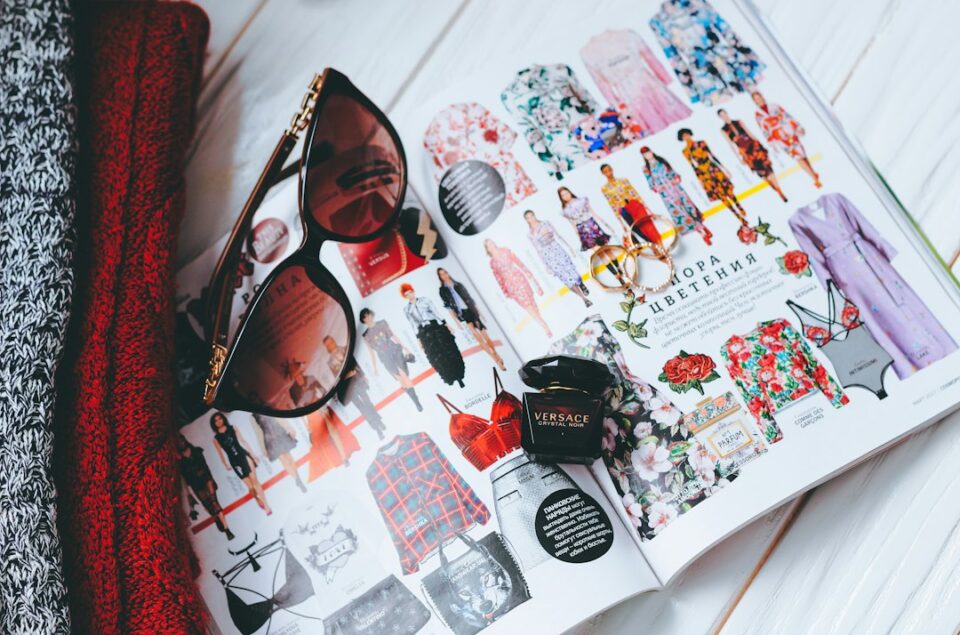
The ultimate accessory pairing guide for modern wardrobes
This accessory pairing guide is a practical system for matching jewelry, bags, belts, scarves, hats, shoes, and eyewear with any outfit. Whether you lean minimal or maximal, prefer neutrals or color, or dress for work, weekends, or weddings, the same principles apply. You will learn how to assess an outfit’s structure, add accessories that balance color and proportion, and repeat subtle motifs so your look feels intentional instead of improvised. If you want more outfit inspiration, you can browse looks on Dio Fashions for ideas that apply these methods in real wardrobes.
accessory pairing guide: Why accessories decide the mood of your outfit
Clothing sets a baseline, but accessories decide the mood. A white shirt and jeans can read relaxed with canvas sneakers and a canvas tote, refined with loafers and a leather belt, or glamorous with metallic heels and chandelier earrings. The difference isn’t a new wardrobe; it’s the curation of finishing touches. Accessories also solve two persistent problems: variety and longevity. Variety comes from swapping accessories to refresh familiar clothes; longevity comes from having fewer clothes that work harder because accessories change the vibe.
To make accessories less arbitrary and more reliable, use a simple three-step framework: anchor, echo, and edit.
- Anchor: Choose one accessory to set the direction—perhaps a bag in a bold color, a pair of striking sunglasses, or a heritage watch. This piece anchors the outfit’s energy.
- Echo: Add one or two elements that echo the anchor’s color, material, finish, or motif. An echo might be a belt that shares the bag’s leather tone, or studs on a shoe that echo a bracelet’s metal.
- Edit: Remove anything that competes with the anchor and echoes. Editing ensures breathing room and preserves intention, which is often the difference between stylish and busy.
Use this framework across scenarios, and your combinations start feeling natural. The rest of this guide shows how to make decisions about color, metals, scale, texture, seasonality, and specific pieces.
Accessory pairing guide for core wardrobes
Before diving into details, assemble a lean kit you can dress up or down. A core wardrobe of accessories acts like a pantry: always stocked with reliable basics and a few statement flavors. Build it with your lifestyle in mind and you will reduce choice overload. Here is a suggested blueprint you can tailor to your preferences:
- Everyday jewelry: small hoop or huggie earrings in your primary metal; a simple pendant necklace; a slim bracelet or watch; a short stack of delicate rings.
- Statement jewelry: one bold cuff or sculptural bracelet; one pair of earrings with shape or sparkle; one layered chain set you can separate.
- Belts: one leather belt in your shoe color; one statement belt (textured, braided, or with an interesting buckle) for dresses and high-waist trousers.
- Bags: an 8–11 inch crossbody in a neutral; a structured tote for work; a compact evening clutch; optionally, an eye-catching color bag.
- Footwear accents: classic loafers or flats; clean white sneakers; evening heels or polished boots that echo your bag leathers or metals.
- Scarves and hats: one silk square scarf for necklines and bag handles; one wool scarf; a straw hat for summer or a felt brim for fall; a beanie for winter.
- Eyewear: a timeless sunglass shape that suits your face; a second fun pair (color or unusual shape) for fashion days.
With this base, the next decisions become less about shopping and more about alignment. The following sections explain how to align color harmony, metal finishes, scale, textures, and seasonal context so your core kit works across many looks.
Color logic that keeps outfits coherent
Accessories are the easiest place to experiment with color, yet color is also the fastest way to introduce friction. You don’t need a formal art education; a few rules of thumb keep combinations coherent while leaving space for creativity.
Start with a two-color palette and a wild card
Think of your outfit as a palette of two dependable colors plus one wild card. The dependable colors typically come from clothing—say, navy and white, or black and camel. Your wild card is an accessory color that injects interest: maybe saffron, emerald, or sky blue. Limit each look to this “2+1” structure and even playful accents feel intentional.
- Option A: Neutral foundation: Black, white, gray, navy, camel, olive, denim, and cream pair with nearly any accent. Begin here if you love versatile wardrobes.
- Option B: Tonal harmony: Keep accessories within the same color family to create tonal flow—olive clothes with moss or sage accessories, beige outfits with taupe and caramel leather, or navy ensembles with midnight and indigo pieces.
- Option C: Complementary pop: Use complements (opposites on the color wheel) sparingly—blue with rust or orange-brown; green with red-brown or burgundy. When using complements, keep one of them small (a slim belt, a pendant, or a shoe stripe).
Repeat color with subtle echoes
Echoes are small repetitions of your anchor color. If your anchor is a burgundy bag, echo it with a lipstick in the same family, a nail color, a beaded earring, or a fine stripe in a scarf. Two or three echoes are enough; more can look forced. If your anchor is a neutral bag, echo the metal instead (more on that below) or echo a texture like woven straw or pebbled leather.
Use prints carefully
Animal prints, plaids, florals, and geometric patterns have their own color rules. Treat a print as a mini-palette: pick one color from the pattern to echo and let the rest fade into the background. Pairing a leopard belt with black-and-gold jewelry and a black bag feels cohesive because the echoes are consistent—two blacks and a gold. The same logic applies to scarves: pull a single color for an echo and keep everything else quiet.
Metals and finishes: mix with intention
Metals act as invisible threads that stitch a look together. Whether your jewelry box includes silver, gold, rose gold, gunmetal, or blackened finishes, you can mix them without chaos by following a few guidelines.
- Choose a dominant metal: Let one metal account for about 70 percent of the visible metal in a look. If your bag hardware is gold and your belt buckle is gold, make your earrings and rings gold-dominant as well. Add a whisper of another metal in a small piece if you like nuance.
- Match hardware with hardware: Shoes, bags, and belts often come with metal hardware. Align these first, because hardware reads as part of the accessory architecture. If hardware differs slightly in tone (antique gold vs bright gold), keep finishes either all warm or all cool.
- Bridge mixed metals: A two-tone watch, a mixed-metal chain, or a necklace stack that alternates metals acts like a bridge between gold and silver. Use one bridge piece to justify everything else; suddenly the combination reads purposeful rather than accidental.
- Coordinate finish with outfit energy: High-polish metals read dressy; brushed or matte finishes read casual; hammered textures read artisanal. Let finish mirror the occasion.
If you own signature pieces—a wedding band, a daily necklace—treat them as part of your baseline and adjust other metals to harmonize. You don’t need to chase perfection; you need consistency across the visible plane of the outfit.
Scale and proportion: balance the architecture of your look
Accessories interact with your body proportions and the lines of your clothing. A harmonious outfit balances scale: the relative size of accessories versus garments and features.
- Neckline geometry: V-necklines like pendant drops and Y-shaped chains; boat and crew necklines suit shorter necklaces or statement earrings; turtlenecks invite longer chains or brooches; deep scoops love layered chains to fill space.
- Earring scale: If your hairstyle or collar is voluminous, larger earrings balance the volume. If your hair is tucked or cropped and collars are slim, delicate hoops or studs keep the look light.
- Bracelet and sleeve dialogue: Fitted sleeves welcome bracelets; voluminous sleeves prefer rings and necklaces so wrists don’t tangle; rolled sleeves make space for cuffs.
- Belts and rise: High-rise trousers and dresses prefer slimmer belts (because the distance between bust and waist is smaller); mid-rise denim can handle medium belts; low-rise or long torsos sometimes benefit from wider belts to break the vertical line.
- Bag size to frame: Petite frames often look best with bags scaled to the torso width; larger frames can carry medium and large bags. Structured bags read polished; slouchy bags read relaxed.
- Shoe weight: Chunky soles and heavy boots add weight; pair with structured or heavy fabrics. Fine sandals and low-profile sneakers look best with lighter fabrics and slimmer silhouettes.
When in doubt, try the mirror test: add one accessory at a time, step back, and check the silhouette from head to toe. You are looking for harmony—no single accessory should dominate unless it’s the chosen anchor.
Texture and material: add depth without noise
Texture creates depth, especially in neutral outfits. Think of texture as another echo. Match or complement texture the way you would color.
- Leather families: Smooth calf leather with polished looks; pebbled leather adds casual depth; suede feels warm and transitional; croc-embossed adds structure; braided leather reads artisanal.
- Soft textiles: Silk scarves deliver sheen and movement; wool scarves add plush volume; cotton bandanas are casual and fresh; linen straps and straw hats broadcast summer.
- Natural materials: Shells, wood beads, rattan, straw, and cork bring organic texture ideal for warm weather. Pearls can go everyday when paired with denim and canvas, or formal with satin and velvet.
- Shimmer and matte: Combine one shimmer (metallic leather, satin, crystal) with predominantly matte materials for balance. When the outfit already shines—sequins or satin—choose matte accessories to temper the effect.
Texture is especially powerful when you repeat it once: a straw hat and straw bag, a pebbled belt and pebbled bag, a velvet ribbon on a bag and velvet hair bow. These pairings read cohesive even with minimal color.
Seasonal capsules: spring, summer, fall, winter
Seasonal context matters because light, temperature, and social calendars change. Build micro-capsules so you can swap with the weather without rethinking your whole approach.
Spring refresh
- Palette: soft neutrals (cream, stone, camel) plus garden tones (sage, lilac, blush).
- Kit: silk scarf, mid-weight trench-friendly bag, loafers or ballet flats, slim leather belt, light gold or mixed-metal jewelry, and a felt brim hat for bright mornings.
- Formulas: trench + striped tee + jeans + lilac scarf + light gold hoops; denim shirt dress + tan belt + cream bag + pearl studs.
Summer lightness
- Palette: white, navy, and tan with sky blue, coral, or citrus accents.
- Kit: straw hat and bag, woven belt, canvas tote, leather sandals, shell or bead jewelry, and classic sunglasses.
- Formulas: white sundress + straw tote + tan belt + bead bracelet; navy shorts set + canvas tote + sky blue sandals + shell studs.
Fall structure
- Palette: camel, chocolate, olive, burgundy, and mustard—shades with warmth and depth.
- Kit: structured tote, leather loafers or ankle boots, pebbled or croc-embossed belt, wool scarf, felt hat, brushed brass jewelry.
- Formulas: sweater + midi skirt + croc belt + structured tote + hoop earrings; jeans + blazer + wool scarf + loafers.
Winter polish
- Palette: black, charcoal, navy, and winter white with jewel-toned accents.
- Kit: leather gloves, wool or cashmere scarf, statement earrings for evening, polished boots, structured crossbody, and high-shine or crystal accents used sparingly.
- Formulas: monochrome black + crystal earrings + polished boots + structured bag; winter-white knit set + camel belt + gold studs.
Occasions and dress codes without guesswork
Adapting accessories to context is as important as color and texture. Use these benchmarks to avoid over- or under-styling.
Office-ready
- Jewelry: small hoops or studs, delicate necklace, and a watch. Keep one metal dominant.
- Bags: structured tote or medium crossbody with subtle hardware.
- Belts: simple leather aligned with shoe color.
- Shoes: loafers, block heels, or sleek flats.
- Guardrails: avoid noisy hardware and overly sparkly pieces in conservative environments.
Smart-casual
- Jewelry: moderate hoops, layered chains, or a signet ring.
- Bags: leather crossbody or mini tote, or a tidy nylon bag.
- Belts: braided leather or textured buckles add relaxed detail.
- Shoes: clean sneakers, loafers, or ankle boots.
- Guardrails: keep one anchor—bag, shoe, or earring—and echo it once.
Evening
- Jewelry: statement earrings or cuff; one high-shine metal; perhaps a single crystal element.
- Bags: compact clutch or mini bag with refined hardware.
- Belts: slim metallic or satin-covered belt to define waist if the dress benefits from shape.
- Shoes: delicate heels or polished boots depending on outfit texture.
- Guardrails: when the dress shines, choose matte accessories; when the dress is matte, allow one shimmer.
Travel
- Jewelry: stackable, secure pieces; leave heirlooms at home; pick one metal for simplicity.
- Bags: crossbody with zipper; lightweight tote; optional belt bag for hands-free days.
- Belts: slim leather to dress up denim and a fabric belt for dresses.
- Shoes: comfortable pairs with a distinct style (retro trainer, clean sneaker, polished loafer) to carry looks across settings.
- Guardrails: consolidate to a “2+1” color plan so everything mixes.
Item-specific playbooks: jewelry, belts, scarves, hats, eyewear
Now let’s zoom into specific categories. These playbooks give you quick rules and examples so you can pair each item type with confidence.
Jewelry pairings
- Minimal stack: studs + slim chain + slim ring stack; matches office and smart-casual.
- Layered chain: two chains of different lengths, one pendant; use a V-neck or open collar to frame.
- Statement earring: pair with a clean neckline and minimal necklace; add a bracelet to balance.
- Bracelets and watches: stack a watch with one slim bracelet; mirror the watch metal with belt hardware or bag zipper pulls.
- Necklace lengths: 14–16 inches for crew necks; 18–20 for buttons and V-necks; 24+ for turtlenecks or shift dresses.
Belts
- Color link: match belt to shoe for an instant cohesion trick.
- Texture link: if color match feels dated, echo texture instead (pebbled belt with pebbled bag, braided with woven bag).
- Shape tool: use belts to shape oversized silhouettes; a slim belt over a blazer creates a clean waistline.
- Dresses and skirts: try a belt when a dress feels flat; use a low-contrast belt to keep the line long, or a high-contrast belt to create a focal point.
Scarves
- Silk squares: knot at the base of the throat with crew necks; tie cowboy-style into V-necks; wrap around bag handles as an echo.
- Long scarves: drape simply with coats; knot once to keep ends tidy; let pattern be the anchor and keep jewelry minimal.
- Bandanas: add casual punch to tees and denim; pick one color from the bandana to repeat elsewhere.
Hats
- Brims and frames: slender frames suit shorter brims; broader frames handle wider brims; beanies suit most frames when folded to show some forehead.
- Color strategy: match hat to shoe or bag to integrate it into the look; or let hat be the anchor with neutral echoes elsewhere.
- Texture echo: straw hats with straw bags; felt with wool scarves; ribbed beanies with rib knit cuffs.
Eyewear
- Shape: round softens angular features; angular sharpens round features; aviator and wayfarer shapes are enduring.
- Color: tortoiseshell feels warm; black feels graphic; translucent acetate feels modern; mirrored lenses skew sporty or glam depending on frame.
- Integration: repeat frame color in belt or shoe, or in bag hardware for a subtle echo.
Shoes and bags: synchronized but not strict
Old advice insisted shoes and bags must match perfectly. Modern styling is looser: they should talk to each other, not clone each other. Use these synchronization cues:
- Color family: keep them within the same family (tan with caramel, black with charcoal) or purposefully contrast within a neutral palette.
- Material echo: suede bag with suede shoe; smooth leather with smooth leather; canvas with canvas for off-duty looks.
- Hardware alignment: gold hardware bag with gold buckle shoe; silver with silver; brushed with brushed.
- Formality alignment: polished leather for dress; pebbled or canvas for casual; metallic for evening; patent sparingly for graphic punch.
Consider your day: if your bag must be practical, make shoes the star; if your shoes are restrained for comfort, let the bag do the talking. Switch the anchor as needed and echo it once so the story stays consistent.
Ten quick pairing formulas that rarely miss
Use these pre-tested formulas when time is short. They work because they obey anchor, echo, and edit.
- Striped tee + jeans + tan belt + loafers + gold huggies + tan crossbody.
- Black turtleneck + trousers + long pendant + slim cuff + leather watch + polished boots + structured bag.
- White shirt + midi skirt + pearl studs + croc belt + heeled pump + small handbag.
- Denim shirt dress + braided belt + tan sandals + straw tote + bead bracelet.
- Slip dress + shawl or scarf + metallic slim belt + clutch + statement earrings.
- Monochrome suit + layered chains + watch + tonal belt + loafers + brief tote.
- Summer shorts set + shell necklace + canvas tote + leather sandals + round sunglasses.
- Sweater + wide-leg pants + croc belt + hoop earrings + ankle boots + structured crossbody.
- Casual Friday denim + silk scarf at neck or bag + minimal studs + clean sneakers + leather belt + compact tote.
- Weekend dress + denim jacket + woven belt + espadrilles + straw bag + hoop earrings.
Budget-smart planning: invest, save, rotate
You don’t have to spend much to create polish, but strategic investments pay off. Consider these tiers:
- Invest in daily drivers: watch, everyday earrings, a neutral structured bag, and a leather belt in your most-worn shoe color. These items carry high mileage and justify durable materials.
- Save on trend-led statements: colorful resin earrings, seasonal straw bags, or novelty belts. These refresh the wardrobe without long commitments.
- Rotate by season: keep a small tray or pegboard with the current capsule visible; store off-season pieces in labeled pouches or boxes to reduce decision fatigue.
Set a gentle quarterly audit. Ask: what did I wear constantly, what sat untouched, and what would unlock more outfits? Sometimes a single belt width or bag strap length prevents a piece from earning its keep; addressing those details beats replacing the item wholesale.
Care, storage, and longevity
Accessories last longer with routine care. While the specifics vary by material, these baseline habits serve most collections.
- Jewelry: store in soft pouches or divided trays; wipe down after wear; keep away from lotions and perfumes; clasp necklaces before storing to avoid tangles.
- Leather goods: brush off dust; condition as appropriate; stuff bags to maintain shape; rest shoes between wears; protect suede with appropriate sprays.
- Scarves: fold gently; store silk flat; avoid hanging for long periods which can distort shape; handwash or follow care labels.
- Hats: store crown-down on a shelf or use a hat form; brush felt; keep straw dry and away from heavy weight.
- Eyewear: use rigid cases; clean with microfiber cloths; avoid leaving in hot cars where lenses can warp.
Make care a quick ritual at the end of the day: return pieces to their spots and you will wear more of what you own with less friction. For styling inspiration and care guides, revisit the looks and notes on Dio Fashions anytime.
Troubleshooting common pairing problems
Even with good frameworks, some outfits feel off. Here are typical issues and fixes:
- Too busy: You have multiple anchors. Solution: remove one bold piece and keep two echoes of the remaining anchor.
- Color clash: The wild card conflicts with clothing. Solution: switch the wild card for a neutral or pick an echo color from the print.
- Metal mismatch: Hardware and jewelry fight. Solution: choose a dominant metal and swap one piece to align hardware and jewelry.
- Proportion conflict: Large bag + chunky necklace + voluminous sleeves overwhelm. Solution: scale down one dimension—smaller necklace or smaller bag—and keep sleeves the feature.
- Flat look: All matte finishes read dull. Solution: add one shimmer or a richer texture like pebbled leather or velvet.
- Out-of-season vibe: Straw or shell items in late fall feel off. Solution: swap to wool, felt, or brushed metals and deeper colors.
Practice plan: from theory to habit
To cement these ideas, create a mini practice plan. Over two weeks, try these small experiments and save photos on your phone to build a personal library.
- Day 1–2: Pick a daily anchor (bag or earrings). Add one echo and photograph.
- Day 3–4: Keep clothing neutral and test one wild card color accessory. Note which tones flatter your skin and wardrobe.
- Day 5–6: Mix metals with a bridge piece. Evaluate how much mixing feels like you.
- Day 7–8: Test texture echoes: straw with straw, pebbled with pebbled.
- Day 9–10: Practice belt width swaps on the same outfit. Compare photos to see which proportions you prefer.
- Day 11–12: Build a micro-capsule for the week ahead: two earrings, one necklace stack, two belts, one bag, and one hat or scarf. Put them on a tray so the decision is visible.
Habits grow when friction falls. A small tray, a mirror, and a two-minute end-of-day reset can transform accessory pairing from a guess to a reliable ritual.
A note on personal expression
Style rules are tools, not laws. If a combination makes you feel like yourself, it deserves a place in your rotation. The aim of an accessory strategy is to remove hesitation, not to suppress personality. Use anchors and echoes to channel your expression with clarity, and edit when your outfit starts to shout.
With color clarity, metal harmony, proportion awareness, texture play, seasonal capsules, and tested formulas, you’re equipped to build looks that feel complete without feeling complicated. Keep experimenting, refine your core kit, and enjoy the quiet confidence that comes from mastering the details.