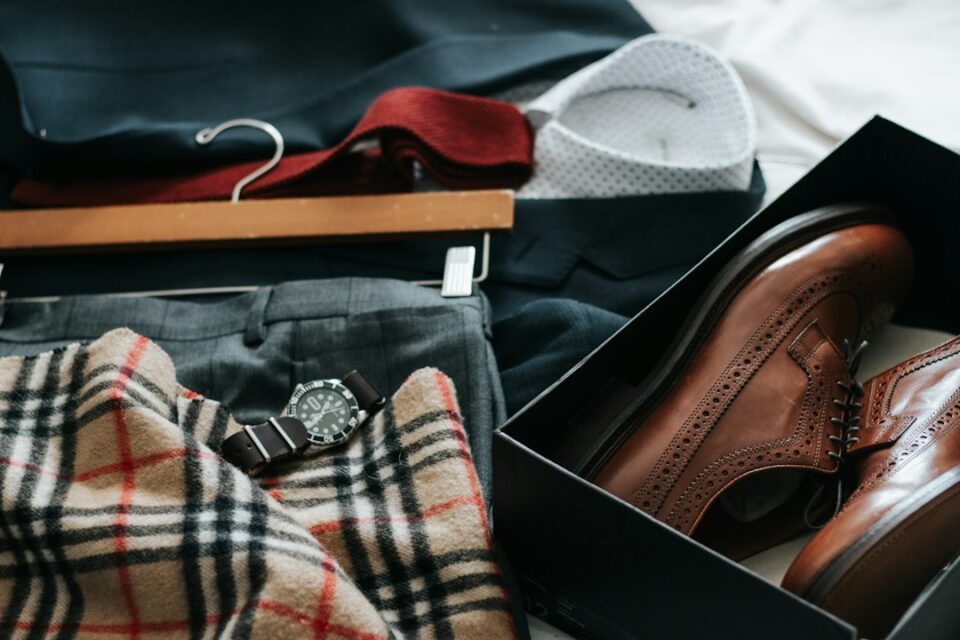
Capsule Wardrobe Essentials is a simple framework that helps you dress well with fewer pieces by focusing on compatibility, quality, and everyday practicality. If your closet feels full yet oddly limiting, this approach clears noise, sets a cohesive palette, and organizes your clothes into an agile system you can trust day after day.
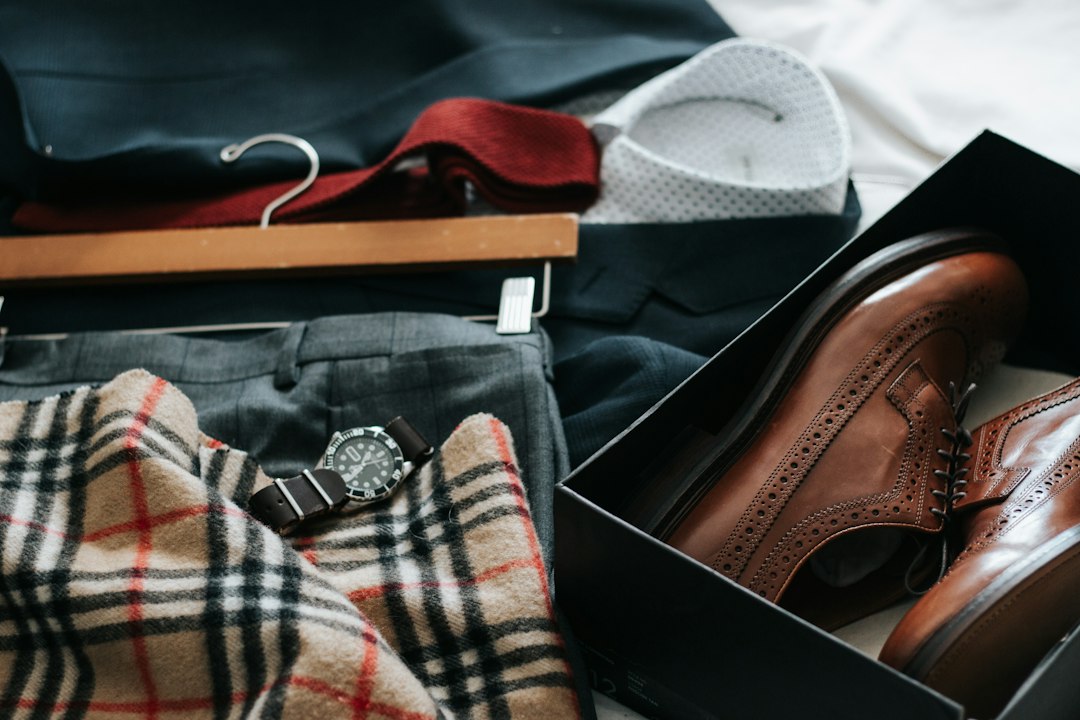
Think of a capsule as a toolkit rather than a trend. You select silhouettes that feel good on your body, fabrics that work for your climate, and colors that connect across categories. The result is faster mornings, lighter luggage, and far better cost-per-wear on everything you own. This guide offers a complete blueprint—from the definitive checklist to color systems, outfit formulas, seasonal swaps, shopping tactics, and care routines—so you can build a closet that fits your real life. For visual outfit ideas that pair well with the strategies below, browse the curated looks on Dio Fashions.
Why a capsule wardrobe makes sense now
Modern schedules span multiple settings. You might head from a commute to a hybrid office, then meet friends for dinner, and travel over the weekend. That variety rewards clothes that connect. A blazer should work with trousers and denim; a midi skirt should pair with knits, tees, and a blouse; loafers should elevate tailored looks and also balance jeans. Compatibility multiplies outfit options without multiplying pieces.
There is also a mental advantage. Decision fatigue shrinks when every piece has a role and plays well with others. Instead of hunting for “something that works,” you select from a set of reliable partners. That clarity reduces impulse purchases, helps you recognize your best silhouettes, and transforms shopping into targeted problem solving. You begin to buy fewer, better items, and you wear them more.
Finally, a capsule is resilient across seasons. Keep your core structure, then rotate fabrics and weights as temperatures shift. The base logic remains intact, which means you maintain a coherent look without a complete seasonal reboot.
Capsule Wardrobe Essentials: the definitive checklist
Use this list as a map. Do not feel obliged to own every item; the point is to cover your common scenarios with a lean, compatible set. Choose counts that match your climate, dress codes, and laundry rhythm.
- Tops and base layers (6–10): a crisp button-up, 2–3 premium tees, 1–2 refined blouses or draped tops, 1 knit polo or ribbed top.
- Knitwear (3–5): a fine crewneck, a V-neck or turtleneck, and a textured cardigan for depth.
- Trousers (2–3): tailored straight or gently tapered in charcoal, navy, taupe, or espresso.
- Jeans (1–2): mid-blue straight or slim-straight; add dark denim for polish if you prefer.
- Skirt (1–2): a midi A-line or bias-cut slip skirt in a neutral or your signature color.
- Dresses (1–2): a day dress for errands and travel, and a simple dark dress that can shift from desk to dinner.
- Blazer or structured layer (1–2): one structured blazer or unstructured jacket that sharpens tees, knits, and dresses.
- Coat and casual outerwear (1–2): trench or topcoat for transitional months; bomber, denim, or quilted jacket for weekends.
- Shoes (3–5): a leather loafer, a clean white or neutral sneaker, a block heel or heeled sandal, and weather-ready boots for winter climates.
- Bags (2): a structured day bag in a neutral; a compact evening or hands-free option.
- Belts and small accents (2–4): one or two belts to refine proportions; a scarf for texture and color.
- Jewelry (selectively): minimal gold or silver pieces plus a signature item you reach for often.
As you fill categories, mix fabrics to create visual interest within a tight palette. Crisp poplin, soft knits, smooth crepe, structured wool blends, and satin-like slips provide contrast and keep outfits from feeling flat even when colors remain neutral.
How many pieces should you include?
There is no universal number. Most people land between 30 and 45 core clothing items (excluding underwear, swimwear, gym gear, and specialized formalwear), plus 4–7 pairs of shoes. Your perfect count depends on climate, dress codes, laundry rhythm, and travel frequency.
- Climate spread: large temperature swings ask for more layers and fabric weights.
- Dress code variety: the more roles you play, the wider your range of silhouettes.
- Laundry rhythm: weekly washing supports a smaller capsule; longer cycles need backups.
- Travel cadence: frequent trips benefit from wrinkle-resistant, quick-dry pieces.
A practical approach is to set a target range, track wears for a month, and adjust. If an item works across multiple contexts, it deserves a permanent slot. If it rarely leaves the hanger, try fresh pairings for a week; if it still lags, remove it from the core capsule and store it elsewhere.
Color systems that make dressing effortless
A capsule palette uses a few strategic anchors so colors connect across categories. Start with two base neutrals (for instance, navy and taupe), one dark anchor (charcoal or black), and one light anchor (off-white or light grey). Then choose one to three accents you genuinely love—dusty rose, muted burgundy, sage, powder blue, terracotta, or soft rust. The goal is not to eliminate color but to concentrate it.
Helpful tactics:
- Designate one neutral as a connector. If navy is your connector, repeat it in trousers, knitwear, and outerwear so outfits lock together fast.
- Use a light anchor that appears in both tops and bottoms. Off-white denim or a light-grey trouser can tie looks together as easily as an off-white knit.
- Be selective with prints. Stripes, micro checks, and small polka dots mix easily; large-scale florals or bold graphics can isolate pieces. If you adore a bold print, echo one of its colors elsewhere.
Texture carries as much weight as color. Combining matte and sheen, chunky and smooth, crisp and fluid adds dimension to neutrals. A ribbed knit with a satin-like slip skirt, a poplin shirt under a textured blazer, or a crepe trouser with a soft cashmere-like sweater balances surface interest without relying on bright tones.
Fabric selection by climate and lifestyle
Fabrics determine comfort, drape, and care needs. Choose material families that align with your days.
- Tops: cotton poplin for structure; cupro or viscose blends for drape; modal or premium cotton tees that hold their shape.
- Knitwear: fine-gauge merino-like blends for light warmth; chunkier knits or cardigans for texture and winter layering.
- Trousers: wool blends, cotton twill, or drapey blends with a crisp hand; keep linings smooth to glide over base layers.
- Skirts and dresses: bias-cut blends, crepe-like materials, and satin-like slips for elegant movement and easy packing.
- Outerwear: tightly woven cotton or wool blends; consider water resistance for wet climates and quilted layers for cold snaps.
Match fabric to role. A crisp poplin shirt speaks formal and holds a collar under a blazer. A fluid blouse softens tailored trousers at dinner. A tightly woven trench breaks wind in spring, while a quilted jacket adds cozy warmth without bulk. When shopping, handle the fabric and ask, “Does the hand and weight match how I plan to wear this?”
Fit, proportion, and silhouette strategies
A capsule’s power increases when silhouettes harmonize. Focus on three levers—fit points, hemlines, and volume balance—to make pieces interchange more easily.
- Fit points: shoulder seam placement on shirts and blazers; rise and waist fit on trousers and skirts; and the heel-to-toe shape of shoes. Small improvements here uplift the whole outfit.
- Hemlines: decide your preferred trouser and skirt lengths. A consistent trouser break (slight or clean) helps every shoe look intentional. Midi skirts that hit mid-calf often layer best with boots and sneakers.
- Volume balance: pair one relaxed silhouette with one trim piece. For example, wide-leg trousers with a neat knit, or a roomy cardigan over straight-leg jeans. This simple balance guideline keeps proportions steady.
Build a quick fit and alteration plan. If trousers are perfect except for length, hem them; if a waist gaps slightly, tailor it. These small adjustments unlock heavy use, which is the real value driver in a capsule. Photograph two angles when trying items at home—front and side—and check how the line of the garment flows. If something sticks or fights, note what adjustment would resolve it and decide whether it is worth the effort.
Outfit formulas you can rely on
Formulas reduce effort without limiting creativity. Rotate colors, fabrics, and accessories to refresh each pattern.
- Sharp workday: blazer + poplin button-up + tailored trouser + loafer. Swap the button-up for a fine knit when you want softness.
- Hybrid office: knit polo + wide-leg trouser + structured bag + white sneaker. Replace with an unstructured blazer on meeting days.
- Weekend uniform: premium tee + straight-leg jean + cardigan + white sneaker. Trade the cardigan for a bomber or quilted jacket in cooler weather.
- Elevated dinner: silky blouse + midi skirt + block heel + compact bag. Add a trench or tailored coat for polish.
- Travel pairing: tee + slip skirt + soft blazer + sneaker. Everything packs small, layers easily, and works in different combinations.
- Cold-weather mix: thin base layer + fine knit + blazer + topcoat + ankle boots. Keep layers sleek so outerwear slides on cleanly.
- Warm-weather mix: sleeveless knit + airy skirt + strappy flat sandal + lightweight scarf. Use the scarf for color or sun coverage.
Create personal formulas around your real routine. If your evenings center on gallery events, your elevated formula may be a black dress, refined heel, and structured coat. If your weekends lean outdoors, the casual formula might include weather-ready boots and a quilted jacket. Keep photos of your favorite combinations in a phone album; quick visual memory makes recreating them effortless.
Seasonal swaps and micro-capsules
Maintain your structure and rotate fabrics to suit the season. A few strategic edits keep the closet fresh without growing it.
Spring: lighten up with poplin shirts, breezy blouses, and a trench. Mid-weight knitwear handles cool mornings. Accent colors like sage, powder blue, or dusty rose look natural against navy and taupe bases.
Summer: use breathable drapes—silky blends, fluid skirts, and structured tees that retain shape. Short-sleeve blouses, open-weave knits, and slide sandals simplify hot days. A packable shirt-jacket is a useful dinner layer.
Autumn: reintroduce structure with blazers, tailored trousers, and casual jackets. Swap in mid-weight knits and weather-friendly loafers or boots. Accent colors drift warm: rust, olive, deep berry, or espresso.
Winter: rely on tightly woven wool blends, lined coats, and boots. Keep base layers thin and smooth for clean stacking. Scarves and gloves provide practical texture and color while supporting warmth.
Micro-capsules shine for trips. For a three-day city break, try: blazer, trench, two tees, one blouse, straight-leg jeans, slip skirt, tailored trouser, sneaker, and block heel. That set yields a week’s worth of looks with different moods and easily fits in a carry-on.
Smart shopping, timing, and cost-per-wear
Shopping for a capsule is different from spontaneous browsing. You are building a network of compatibility, so every purchase should unlock multiple looks. A helpful litmus test: can you picture three distinct outfits it enables with items you already own?
- Fit first: prioritize shoulder seams, rise, and hem length. If nearly right, budget for alterations and treat them as part of the price.
- Fabric hand: crisp hands keep structure; fluid hands add movement. Choose the mood you want the piece to communicate.
- Hardware and seams: check buttons, zippers, and stitching. Small details often predict how long an item stays in rotation.
- Duplicate with intent: if a silhouette anchors your week (straight-leg denim, for example), owning two washes distributes wear and extends lifespan.
- Timing: watch seasonal cycles. Transitional pieces—trench coats, light knits, and sneakers—often go on sale between seasons.
Use cost-per-wear math to stay objective. Divide the price by the realistic number of wears in the next 24 months. If a $180 blazer will be worn weekly for two years (about 100 wears), it costs $1.80 per wear—often far better value than a $40 top worn twice. This mindset favors quality where it matters most for your life, and it curbs impulse buys that do not fit the network.
Care, storage, and simple repairs
Maintenance keeps a capsule working smoothly. A small set of tools and a light routine make a big difference in shape, color, and longevity.
- Laundry by fabric: cool wash for most knits and cottons; delicate cycle or hand-wash for silky blends; air-dry or lay flat when possible. Group similar colors to reduce transfer.
- Steaming and pressing: a handheld steamer refreshes drape and removes creases without the shine risk some irons introduce. Use a press cloth if you iron.
- Rotation: rest heavy-use items for at least a day between wears to recover shape, especially shoes and knitwear.
- Storage: slim, non-slip hangers for shirts and blouses; fold knits to avoid shoulder bumps; sturdy hangers for coats. Store bags in dust covers with minimal stuffing to hold shape.
- Shoe care: brush off dirt, spot-clean, and polish leather. Replace heel caps and resole when treads thin to extend useful life.
Learn a few simple repairs or budget for a local tailor and cobbler. Reattaching a button, tightening a loose thread, or stitching a minor seam saves a favorite from the donation pile. When a piece shows wear, consider a proportion tweak—cropping denim to ankle length or narrowing a trouser leg can refresh the look and extend its run.
Common mistakes and easy course corrections
Capsule frustrations usually come from duplication, palette drift, or buying for imaginary scenarios. All of these are fixable.
- Near-identical pieces: five pairs of similar jeans reduce variety. Keep two shapes with distinct leg lines and vary tops and outer layers.
- Palette drift: adding random colors isolates garments. Select accents that sit near your base tones and repeat them at least twice across categories.
- Fabric mismatch: shiny shoes with rustic textures, or heavy coats over very flimsy dresses, can feel off. Align mood across garments and accessories.
- Skipping alterations: a nearly perfect piece that is one inch too long remains unworn. Small tailoring unlocks frequent wear.
- Buying for the ideal day: acquire clothes for your real week—commute, desk work, errands, casual dinners—not rare events. For special occasions, consider rentals or borrow from a friend to avoid one-off purchases.
When enthusiasm fades, spend ten minutes restyling one stubborn item. Try it with a different shoe height, add a belt, change tucking, or pair it with a contrasting texture. If it still resists, move it out of the core capsule and revisit later.
Sustainable choices that fit naturally
A capsule naturally supports mindful clothing choices because you wear favorites often, repair early, and purchase intentionally. You also reduce returns and underused items—two quiet sources of waste in modern wardrobes.
- Durability: prioritize materials and construction that handle frequent rotation. Reinforced seams, solid hardware, and stable fabrics extend useful life.
- Secondhand: if budget is tight, explore consignment and resale platforms. A well-fitted pre-owned blazer often beats a brand-new but ill-fitting one.
- Resale and rehome: pass along pieces that no longer serve your core capsule. Trade with a friend, sell through consignment, or donate to channels that match your values.
- Laundry habits: cooler cycles, line drying, and fewer washes can maintain color and fabric shape while reducing resource use.
When you buy new, review brand care instructions and match them to your routine. Choosing items that align with how you actually wash, wear, and store your clothes means you will keep them in rotation longer.
A 30-day plan to build momentum
Use this month-long sequence to create a capsule without overwhelm. Keep a simple notes app open to track decisions.
Week 1: audit and select
- Pull everything out and sort by category: tops, bottoms, dresses, outerwear, shoes, accessories.
- Try on high-potential pieces and photograph two angles. Note fit, fabric hand, and pairing options.
- Choose your base neutrals and 1–3 accents. Decide on a connector color that repeats across categories.
- Set a piece-count range based on climate, dress codes, and laundry rhythm.
Week 2: build formulas
- Create three core outfit formulas that fit your life (work, weekend, elevated evening).
- Photograph five outfit examples for each formula. These become your daily shortcuts.
- List gaps that would unlock several looks—often a blazer, a mid-weight knit, or a versatile skirt.
Week 3: shop and tailor
- Buy no more than two items that close the biggest gaps. Verify each creates three new outfits with existing pieces.
- Schedule alterations for hems or waist adjustments. Treat tailoring as part of the purchase.
Week 4: care and refine
- Practice your laundry and steaming routine. Organize hangers and folding schemes.
- Remove or store items that resist pairing after two restyling attempts. Keep your core rail visible and clean.
At the end of 30 days, you will have a working prototype. Continue iterating each month by swapping fabrics for the season and refining fit based on real wear. For seasonal outfit inspiration, explore the looks on Dio Fashions Fashion Outfits and adapt ideas to your palette and silhouettes.
Profiles and sample capsules
Below are compact examples for different routines. Use them as templates; swap colors and fabrics to match your climate and taste.
Hybrid office professional (approximately 36 pieces, shoes included)
- 7 tops: 1 poplin shirt (white), 1 poplin shirt (light blue), 2 premium tees (white, taupe), 1 silky blouse (navy), 1 ribbed knit top, 1 knit polo.
- 4 knits: fine crewneck (navy), V-neck (oatmeal), turtleneck (charcoal), textured cardigan (cream).
- 5 bottoms: 2 tailored trousers (charcoal, navy), 1 wide-leg trouser (taupe), 1 straight-leg jean (mid-blue), 1 dark denim.
- 3 dresses/skirts: slip skirt (black), midi A-line (olive), simple dark dress.
- 3 outer layers: blazer (charcoal), unstructured blazer (taupe), trench.
- 4 shoes: loafers, white sneakers, block heels, ankle boots.
- Accessories: structured tote, compact bag, two belts, minimal jewelry.
Creative freelancer (approximately 32 pieces)
- 6 tops: 2 draped tops, 2 premium tees, 1 open-collar shirt, 1 sleeveless knit.
- 4 knits: thin cardigan, chunkier cardigan, fine crewneck, mock-neck knit.
- 5 bottoms: 1 relaxed trouser, 1 tapered trouser, 2 jeans (mid-blue, ecru), 1 utility skirt.
- 3 dresses/skirts: day dress in breathable fabric, bias-cut skirt, shirt dress.
- 3 outer layers: soft blazer, bomber jacket, chore jacket.
- 4 shoes: white sneakers, leather sneakers or clogs, ankle boots, low heel or mule.
- Accessories: crossbody bag, tote, scarf, two belts, signature ring.
Hands-on parent or caretaker (approximately 34 pieces)
- 7 tops: 3 premium tees, 1 polo, 1 casual button-up, 1 long-sleeve tee, 1 easy blouse.
- 4 knits: zip cardigan, washable crewneck, hoodie or sweatshirt with clean lines, fine-gauge turtleneck.
- 6 bottoms: 2 jeans (mid-blue, dark), 2 pull-on or elastic-waist trousers, 1 jogger with structure, 1 casual skirt.
- 2 dresses: day dress for errands, knit dress for easy polish.
- 3 outer layers: light puffer or quilted jacket, denim jacket, trench.
- 4 shoes: supportive sneaker, weather-ready boot, loafer, sandal.
- Accessories: backpack or roomy tote, crossbody, baseball cap or sun hat, simple jewelry.
Student or minimalist builder (approximately 28 pieces)
- 6 tops: 2 tees (white, black/navy), 1 long-sleeve tee, 1 button-up, 1 knit polo, 1 casual blouse.
- 3 knits: fine crewneck, cardigan, hoodie or sweatshirt.
- 5 bottoms: 2 jeans (mid-blue, black), 1 chino or twill trouser, 1 relaxed trouser, 1 slip skirt or shorts (climate-dependent).
- 2 dresses: day dress and simple dark dress (optional if you rarely wear dresses).
- 2 outer layers: unstructured blazer or overshirt, weather layer (trench or light puffer).
- 3 shoes: white sneaker, loafer, weather-friendly boot or sandal (based on climate).
- Accessories: crossbody, backpack or tote, 1–2 belts, scarf.
Advanced techniques to refine your capsule
As you gain confidence, a few advanced practices can sharpen results and save time.
- Layering physics: stack from sleek to structured. Thin base → fine knit → blazer → coat. This keeps lines clean and prevents cling.
- Proportion flips: refresh staples by flipping proportions—cropped knit over a high-rise trouser, longer blazer over slim-straight denim, or roomy cardigan over a neat slip skirt.
- Packing grid: for a week-long trip, pack 2 shoes, 2 outer layers, 3 bottoms, and 5 tops that all cross-pair. This 2–2–3–5 grid yields near-automatic combinations.
- Wear log: track what you wear for two weeks. Note which shoes you default to, which trousers reach for cleanly, and which tops complete formulas quickly. Adjust the capsule to reflect reality.
- Editing cadence: schedule a short monthly review. Restore order, mend small issues, and remove items that resisted pairing. Seasonal mini-reviews handle fabric swaps and accent updates.
Frequently asked questions
Do I have to choose all neutrals? No. Neutrals form the base because they connect easily, but 1–3 accents keep looks personal. Repeat accents across categories so they integrate.
Can I mix black and navy? Yes. Black with navy looks deliberate when textures differ (matte vs. slight sheen) or when you add a light connector like off-white sneakers or a cream knit.
How do I handle dress codes that change daily? Build two formulas that share components. For instance, blazer + trouser for formal days and blazer + jeans for casual days. Then select tops and shoes to swing between settings.
What if I love prints? Keep prints to one or two categories and echo a print color elsewhere—belt, scarf, knit, or shoe. Stripes and micro prints are easiest to mix long-term.
Is tailoring worth it on mid-range items? Often yes. A $70 trouser that fits perfectly can outperform a $200 trouser that almost fits. Alterations increase wear count, which is where value lives.
How do I resist impulse purchases? Use a two-week pause. Bookmark the item, leave it, return later, and ask whether it enables three outfits you would wear next week. If yes, consider it. If not, pass.
What about special occasion outfits? If events are rare, consider renting or borrowing. If they are frequent, keep one simple dark dress or polished suit and rely on accessories to change the mood.
Should I keep trend items? Keep them outside the core capsule. If a trend piece keeps getting worn and pairs easily, graduate it into the core next season.
How do I handle weight or size changes? Favor adjustable pieces—belts, wrap skirts, elastic waists—and budget for small tailoring to maintain a steady silhouette.
How do I start if my closet feels chaotic? Begin with the 30-day plan. Pick two base neutrals, remove obvious misfits, and build two formulas you can wear this week. Momentum matters more than perfection.
Bringing it all together
A functional capsule is not about strict rules; it is about dependable compatibility that respects your life. Start with a core checklist, choose a tight palette with one connector neutral, lock in a few outfit formulas, and maintain simple care routines. Each small decision compounds—better fit here, smarter fabric there, a color that repeats across categories—and your closet becomes a calm, flexible system rather than a daily puzzle.
Your capsule will evolve as seasons and routines change. Keep the framework, rotate the fabrics, and refresh accents as needed. The payoff shows up each morning when getting dressed is quick, when packing is automatic, and when what you own actually earns its place.