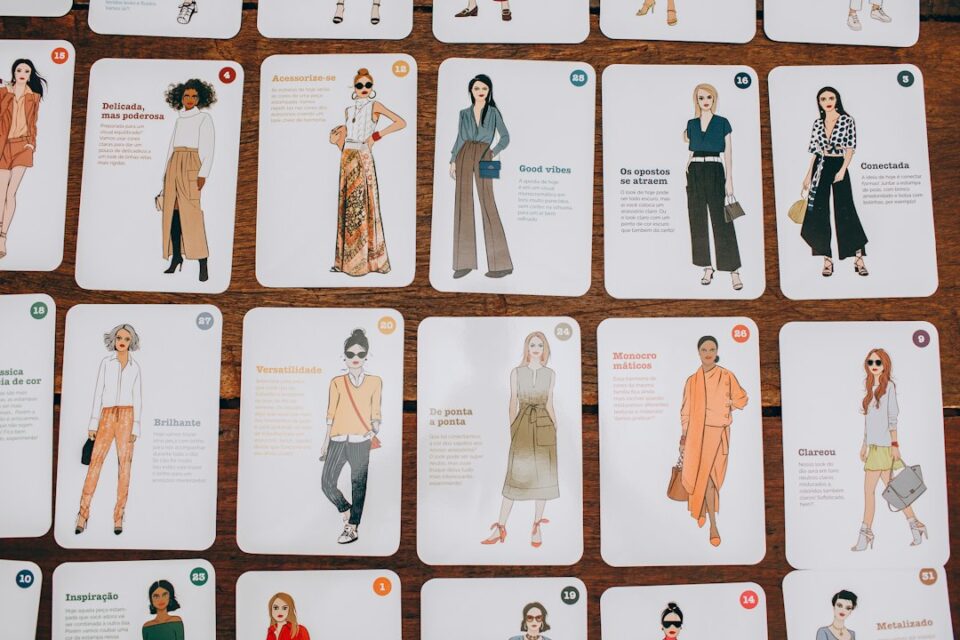
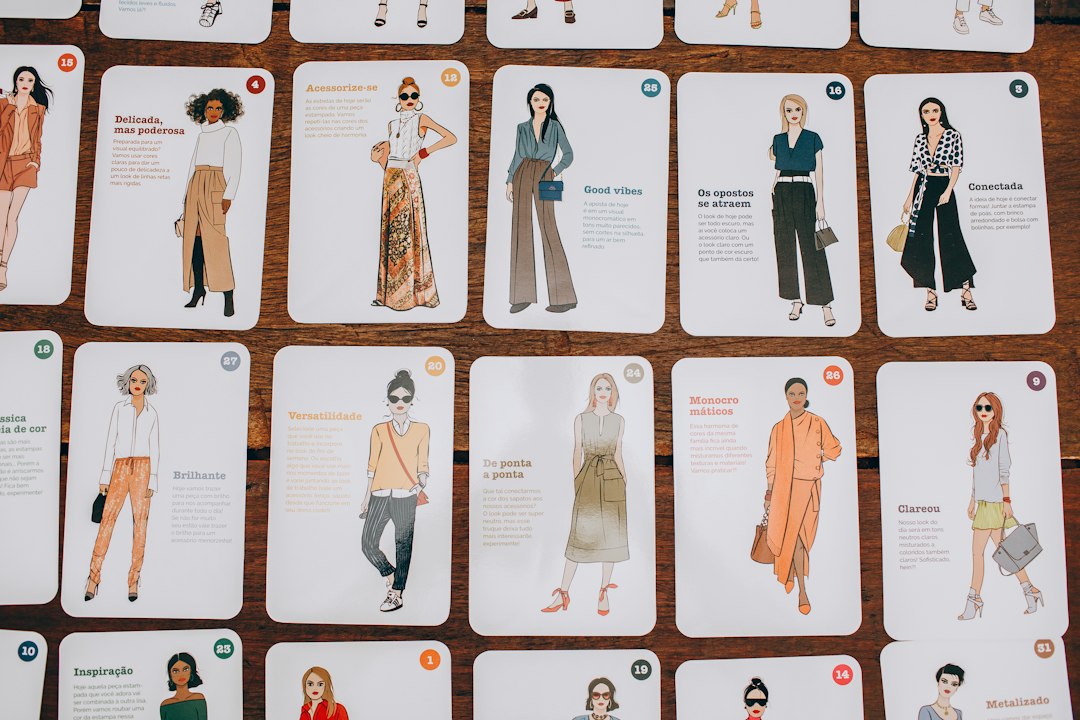
If you want a closet that works harder with fewer pieces, capsule wardrobe essentials are the simplest way to get there. The idea is to assemble a small, intentional set of garments that mix and match across your real week, so you dress faster, buy smarter, and still feel like yourself. In this stylist’s guide you’ll find practical checklists, color palette tips, fit notes, seasonal outfit formulas, care routines, and a 7-day plan to build or refine your own capsule—without starting from zero.
A capsule isn’t a trend or a strict uniform; it’s a method. You choose anchor items that suit your climate and lifestyle, then remove anything that works against them. The result is more outfits from fewer clothes, clearer personal style, and easier packing. Whether you spend your week in an office, on campus, in a studio, or juggling school runs and errands, a well-designed capsule reduces friction and supports creativity.
capsule wardrobe essentials: what it is and why it works
A capsule is a tightly edited collection of versatile pieces that live in harmony. Harmony shows up in color, silhouette, and formality level. When those three align, every top can meet multiple bottoms, layers elevate or relax looks on demand, and shoes finish the mood without looking out of place. This structure scales from 25 pieces to 45 or more, depending on climate and laundry rhythm.
Core principles that keep a capsule effective:
- Deliberate limits: Fewer, better pieces reduce decision fatigue and clutter.
- Interchangeability: Tops, bottoms, and layers connect in multiple ways.
- Consistency: Cohesive colors and silhouettes signal intention and make repeats feel stylish, not repetitive.
- Reality-first: The capsule maps to your week—work, weekend, social, and weather—rather than aspirational fantasies.
What a capsule is not: It’s not a minimalist competition, a ban on color, or a fixed list that ignores your preferences. It’s a living system. As your calendar shifts—new job, hobbies, climate—you adjust counts and categories while preserving the capsule’s clarity.
capsule wardrobe essentials: the definitive checklist
Use this checklist as a flexible baseline. Adjust counts for lifestyle, climate, and laundry cadence. Underwear, socks, sleepwear, athletic gear, and special-occasion outfits sit outside the core capsule.
Tops (7–12)
- 3 everyday tees (crew or V in core neutrals)
- 2 elevated tees or knit tops (silk blend, modal, fine cotton)
- 2 button-ups (crisp poplin and relaxed oxford or linen)
- 1 knit polo or henley for smart casual days
- 1–2 sweaters (one lightweight, one chunkier for cold snaps)
Layers (3–6)
- 1 blazer (structured or soft tailoring)
- 1 light jacket (trench, denim, bomber, or utility)
- 1 warm outer layer (wool coat or insulated parka, climate permitting)
- Optional mid-layer: cardigan or vest for modular warmth
Bottoms (5–8)
- 2 tailored trousers (one dark, one light or mid tone)
- 2 jeans (one classic straight, one relaxed or wide-leg)
- 1–2 skirts (midi A-line, bias slip, or pencil depending on dress code)
- Optional seasonal bottoms: refined shorts, culottes, or wool pants
One-piece options (2–4)
- 1 day dress (shirtdress, rib knit, or slip with lining)
- 1 elevated dress (events, dinners, presentations)
- Optional: utility jumpsuit or tailored romper
Shoes (4–6)
- Clean leather or canvas sneakers (smart casual)
- Loafers or ballet flats (office to weekend)
- Ankle boots (heel height you can walk in)
- Heeled option (block heel pump or sandal)
- Seasonal add-ons: minimalist sandals, weather-ready boots
Bags and accessories (5–8)
- Structured day bag (crossbody or top-handle)
- Tote or backpack (work, study, or travel)
- Evening clutch or compact crossbody
- Belts (dark neutral + cognac/tan)
- Light scarf (silk, wool, or cashmere blend)
- Core jewelry set (studs or hoops, simple necklace, bracelet)
Foundational underlayers
- Invisible camis or slips to smooth sheer fabrics
- Seamless underwear in skin-adjacent tones
- Seasonal tights or thermal base layers as needed
Keep the list nearby while editing and shopping so you fill real gaps instead of duplicating what you already own. For seasonal lookbooks and outfit inspiration that follow this approach, browse the curated looks in Fashion Outfits on diofashions.com.
Build a wearable color palette
A workable palette is how you multiply outfits. Choose two base neutrals, one secondary neutral, and two or three accents. Base neutrals anchor high-wear pieces (outerwear, trousers, bags). Accents add energy in tops, skirts, and accessories. If you’re unsure, keep accents soft and seasonal; it’s easier to live with sky blue than neon chartreuse.
- Base neutrals (pick 2): black, navy, charcoal, chocolate, camel, ivory, stone, olive.
- Secondary neutral (pick 1): gray mid tones, denim blue, warm beige, soft taupe.
- Accents (pick 2–3): forest green, burgundy, sky blue, blush, saffron, terracotta, lilac.
Test a draft palette in three steps:
- Lay out tops, bottoms, and layers together. Every top should match at least two bottoms and one layer.
- Photograph outfits in good daylight; your eye catches disharmony on screen faster than on hangers.
- Wear-test for a week. If a color feels fussy or rarely leaves the house, demote it or move it to a micro-capsule (beach, holidays).
Helpful heuristics:
- Stack neutrals in outerwear and bottoms to reduce laundry bottlenecks.
- Place accents where you need variety—tops, scarves, bags, or a single hero skirt.
- Repeat shoe colors in belts or bags for an easy polish effect.
- Mind stain realities: coffee-on-the-go and white denim are not close friends.
Fabrics, climate, and durability
Fabric choice determines how well your capsule ages. Prioritize textiles that drape, breathe, and launder predictably. Your hands catch quality faster than your eyes; build the habit of touching seams and checking weight.
- Cotton: Dependable for tees and poplin shirts. Choose heavier weight for opacity. Look for tight jersey knits and double-stitched hems.
- Linen: Exceptional for heat. Expect texture and creasing; blends with cotton or viscose reduce rumpling while staying breezy.
- Wool: Merino for fine knits that manage temperature. Dense wool or wool-cashmere blends shine for coats and suiting.
- Silk: Luxes up tees and blouses. Silk-cotton or silk-modal blends offer easier care and lower sheen if you prefer subtlety.
- Denim: Midweight with 1–2% elastane for comfort if you dislike rigid denim. Raw denim lasts longest if you enjoy breaking it in.
- Synthetics: Useful in small doses for stretch and resilience. Favor recycled or certified options when possible.
Match fabrics to climate modules:
- Hot/humid: Linen, cotton voile, Tencel, seersucker. Unlined summer dresses. Breathable sneakers and sandals.
- Temperate: Cotton, light merino, twill, denim. Unstructured blazers. Trench coats with removable liners.
- Cold: Dense wool, cashmere blends, lined skirts, thermal underlayers. Puffer or wool coat, weather-ready boots, leather gloves.
Construction checks that signal longevity: straight stitching, reinforced stress points, bar tacks at pockets, zippers that glide, opaque linings that don’t cling, and buttons sewn with a shank. Hold garments to light for transparency and weave consistency. When quality looks solid, tailoring elevates the rest.
Fit, tailoring, and silhouette
Two pieces can match in color and fabric yet only one flatters your proportions. Your capsule’s power comes from repeating silhouettes that work. Learn how volume, rise, and hem shape your outline, then use a tailor to lock them in.
- Balance volume: Oversized tops pair best with neat bottoms (straight, slim, tapered). Wide-leg trousers crave a tucked or fitted top.
- Rise rules: High-rise elongates legs and defines the waist; mid-rise is versatile for half-tucks and layered knits.
- Jacket length: Cropped highlights the waist and loves dresses or wide-legs. Hip-length blazers suit most trousers and jeans.
- Sleeve and hem: Show a little ankle/wrist for lightness. Tailor sleeves to the wrist bone; hem trousers to skim shoe tops.
- Necklines: V or scoop elongates; crew balances; open collars frame the face.
Tiny alterations often unlock dozens of outfits: nip a waistband, shorten a hem, narrow a leg opening, move a button. Photograph before/after so you learn your personal formulas. If you’re between sizes, buy for the larger measurement and tailor down; fabric removed looks cleaner than fabric squeezed.
Fit notes by category:
- Trousers: Look for a clean seat (no pulling), smooth front (no whiskers), and drape that falls straight from hip to hem. Pocket placement can make or break the back view.
- Skirts: Bias cuts skim rather than cling; A-lines add movement and balance broader shoulders; pencil skirts read polished when hemmed just below the knee.
- Shirts: Shoulder seam should meet the bony edge; if buttons pull, size up and tailor the waist.
- Knitwear: Choose weight by climate and silhouette needs. Fine-gauge layers cleanly under blazers; chunkier knits act like outerwear.
Outfit formulas for all seasons
Formulas reduce morning guesswork. Treat these as templates, not rules. Swap fabrics and colors to suit your palette and weather.
Spring
- Trench + striped tee + straight jeans + loafers
- Soft blazer + silk tee + pleated midi + ballet flats
- Denim jacket + cotton shirtdress + white sneakers
Summer
- Linen button-up (open) + tank + tailored shorts + leather sandals
- Slip dress + lightweight cardigan over shoulders + minimalist slides
- Knit polo + A-line skirt + raffia bag + low-profile sneakers
Fall
- Blazer + merino turtleneck + dark straight jeans + ankle boots
- Trench + poplin shirt + wide-leg trousers + loafers
- Chunky cardigan + satin midi skirt + block-heel pumps
Winter
- Wool coat + cashmere crew + wool trousers + heeled boots
- Puffer + textured knit + straight jeans + lug-sole boots
- Layered blazer + fine-gauge knit + lined midi + tights + ankle boots
Micro-formulas to memorize:
- Column of color: Matching top and bottom with a contrasting layer = length.
- Third-piece rule: Tee + jeans becomes an outfit once you add a blazer, cardigan, or vest.
- Texture mix: Denim + silk, wool + satin, linen + leather add depth without busy prints.
- Dress as skirt: Slip a sweater over a slip dress, add a belt, and you have a new outfit.
Footwear, bags, and accessories strategy
Shoes and bags act like volume knobs. They shift the same clothes from off-duty to polished or from classic to contemporary in seconds. Curate a tight set with complementary shapes and finishes.
Shoes
- Sneakers: Minimal leather or canvas in a neutral. Keep them clean; a magic eraser extends life.
- Loafers/flats: Rounder toes feel classic; almond or square toes feel modern. Choose a sole you can walk in for hours.
- Ankle boots: Slim-shaft styles slip under straight or wide-leg hems; block heels pair with skirts.
- Heeled pumps/sandals: A stable block heel is more wearable than stilettos for most wardrobes.
Bags
- Day bag: Crossbody or top-handle that fits your daily essentials; match hardware tones to your jewelry.
- Tote/backpack: For work or travel, pick a durable fabric (coated canvas, leather, or recycled nylon).
- Evening bag: Compact with a strap option so it doesn’t monopolize a hand all night.
Accessories
- Belts define waists on dresses or oversized knits. One black or dark brown, one cognac or tan covers most needs.
- Scarves bridge color gaps, soften tailoring, and add texture.
- Jewelry repeats earn a place in a capsule: delicate necklace, everyday hoops or studs, watch or bracelet.
- Sunglasses and hats add function and style; let shape echo your silhouettes (rounded frames with flowing lines, angular with sharp tailoring).
Keep a small shoe care kit (neutral cream, brush, suede protector) and a bag insert for totes. Polished footwear and a structured bag can elevate a tee and jeans more than a new blouse can.
Care routines, storage, and repairs
Capsule pieces work harder, so maintenance matters. Simple routines extend fabric life, preserve shape, and keep colors clear.
- Wash less; air more: Many garments need a rest more than a wash. Air knits on a hanger for a few hours; steam to refresh.
- Cold water, gentle cycles: Reduce dye bleed and fiber stress. Turn denim and dark knits inside out.
- Mesh bags and zippers closed: Protect delicates and keep snags at bay.
- Drying: Air-dry when possible. Lay knits flat on a towel to avoid stretching.
- Pressing: A handheld steamer is useful for routine refresh. Use an iron for sharp pleats and collars with a press cloth.
- De-pilling: A sweater comb or shaver keeps knits presentable. Address pills early so they don’t mat.
- Storage: Slim velvet or wood hangers for tops/dresses; clip skirts at the waistband interior. Fold heavy knits.
- Seasonal rotation: Clean before storage. Use breathable boxes or cotton garment bags. Cedar blocks or lavender sachets help keep critters away.
Repair basics to learn or keep on hand: reattach a button, tighten a loose strap, fix a fallen hem with fusible tape, and re-thread a drawstring. Five-minute fixes extend the life of your favorite pieces and delay replacements.
Budgeting, shopping, and sustainability
Because every purchase in a capsule carries more weight, shop with a plan. Treat your closet like a small project: goal, scope, budget, and timeline.
- Set a category budget: Allocate more to shoes, outerwear, and tailoring. These items anchor outfits and become long-term staples.
- Maintain a gap list: Track needs against your checklist. Shop the list, not the feed.
- Four-outfit test: Only add an item if you can name four distinct outfits with things you already own.
- One-in, one-out (soft rule): When a new item enters, consider releasing a similar item that underperforms.
- Assess quality-to-price: Calculate cost-per-wear honestly. A coat worn 100 times at $300 beats a trendy jacket worn 10 times at $120.
- Responsible choices: Prefer repair-friendly designs, natural fibers where they fit, reputable secondhand, and brands with transparent sourcing.
Document purchases and outfit success in a notes app. Over time you’ll see patterns—colors you overbuy, silhouettes you avoid, shoes you truly wear—that guide smarter decisions. Sustainability often follows naturally from clarity and care.
Travel packing with a capsule
Travel is where capsule thinking shines. Aim for 12–14 garments plus accessories to create 30 outfits for a week or two away. Keep a tight palette: one base neutral, one secondary neutral, and two accents that all play well together.
- 2 jackets (blazer + light jacket)
- 5 tops (2 tees, 1 blouse, 1 knit, 1 “special” top)
- 3 bottoms (1 trouser, 1 jean, 1 skirt)
- 2 one-piece options (day dress + elevated dress)
- 3 pairs of shoes (sneaker, loafer/flat, ankle boot or heeled sandal)
- 1 day bag + 1 evening bag
- Accessory kit (scarves, belts, small jewelry)
Practical add-ons: a travel steamer, mini stain remover, folding fabric brush, and a small pouch with safety pins and spare buttons. Roll garments to reduce wrinkles, place heavier items near suitcase wheels, and wear the bulkiest shoes in transit.
7-day build plan and maintenance schedule
Use this quick-start plan to build or refine your capsule without overwhelm. You’ll end with a functional set you can tweak across seasons.
- Day 1: Inventory. Empty the closet (skip underwear/activewear). Sort into keep, tailor, release, and seasonal hold. Photograph winning outfits.
- Day 2: Palette. Choose 2 base neutrals, 1 secondary neutral, and 2–3 accents. Remove items that constantly clash with the core.
- Day 3: Fit session. Try on keeps. Note tailoring needs. Confirm your best silhouettes (e.g., high-rise straight leg, cropped jackets, V necklines).
- Day 4: Draft the capsule. Pull 30–45 items across tops, layers, bottoms, dresses, and shoes. Compare to the checklist to find gaps.
- Day 5: Outfit formulas. Build 12–15 outfits from the draft. Save photos to a folder named “Outfits” for quick mornings.
- Day 6: Focused shopping. If gaps remain, shop only the list. Apply the four-outfit test and budget by category.
- Day 7: Care setup. Create a monthly care block: de-pill knits, condition leather, replace heel caps, and rotate seasonal pieces.
Maintenance cadence to calendar:
- Monthly: Quick edit, shoe polish, knit de-pilling, loose-button check.
- Seasonal: Swap in/out climate modules; clean and store off-season pieces; refresh palette accents.
- Biannual: Deeper review of fit and lifestyle changes; plan any upgrades (e.g., coat, boots, bag).
Capsule math: outfit counts, ratios, and audits
Capsules thrive on ratios. A simple way to stress-test your plan is to count connections. If every top works with at least two bottoms and one layer, you’ve built multiplicative value into your closet.
- Rule of 2x bottoms: Each top should pair with two bottoms (minimum). If not, adjust color or silhouette.
- Rule of 1.5x tops: Each bottom should match at least one and a half times your tops (example: five tops to three bottoms is healthy).
- Hero-to-basic ratio: Keep statement pieces to roughly 20–30% so outfits still feel effortless.
Run a quarterly audit:
- Open your outfit photo folder. Sort by “most worn.” Patterns reveal themselves quickly.
- List items that earned 20+ wears and what made them successful (color, fit, fabric, function).
- List items worn fewer than five times. Decide: tailor, re-style, or release.
- Note friction points (e.g., no weather-ready shoes for rain days) and plan targeted fixes.
Dress codes, body changes, and lifestyle modules
Capsules flex with life. Build small modules for different dress codes or rhythms so you stay consistent without starting over.
- Office-ready: 1–2 blazers, 2 tailored trousers, 1 pencil or A-line skirt, 2 polished blouses, and loafers or low heels. Keep outerwear classic and neutral.
- Creative casual: Utility jacket, wide-leg jeans, knit polo, statement sneakers, and a slouchy tote. Add one bold accent color.
- Family-on-the-go: Stretch denim, washable knits, a hands-free crossbody, and sneakers with good grip. Layers you can remove quickly at playgrounds and grocery runs.
- Event/occasion: A single elevated dress, a dressy sandal or pump, and a compact clutch. Borrow sparkle from jewelry; avoid buying a new dress for each event.
When your body changes, your capsule can adjust without losing its identity. Keep your palette, swap silhouettes: trade slim trousers for straight or wide legs, choose elasticized waists with clean finishes, and prioritize adjustable straps and wrap shapes in dresses. Tailoring is a friend here—waist and hem alterations maintain proportion without replacing everything.
Common pitfalls and troubleshooting
Even with a plan, traps can sneak in. Use these guardrails and answers to steady the system.
Common pitfalls
- Buying duplicates too fast: One perfect tee beats three okay ones. Replace only when needed, not when bored.
- Palette drift: If a new color doesn’t pair with at least four outfits, park it in a micro-capsule rather than forcing it into the core.
- Trend overload: Keep trends to 10–20% of your capsule. Use accessories to refresh without destabilizing.
- Neglecting footwear: Shoes change the entire mood. Curate three pairs that handle 80% of your week.
- Skipping tailoring: Small alterations multiply outfit possibilities and extend garment life.
FAQs
- Do I need to start from scratch? No. Shop your closet first. Most people own half their capsule already.
- How many pieces should I have? Many thrive at 30–45, but climate and lifestyle matter. Hot/cold zones may need more outerwear or breathable layers.
- Can I keep prints? Yes. Favor stripes, subtle checks, and small-scale florals that pair easily. Let one printed item lead per outfit.
- What if I love color? Pick a tight set of accents and place them strategically: knits, skirts, scarves, and bags. Keep bottoms and outerwear in neutrals for maximum mixability.
- How do I handle dress codes? Build modules (office-ready, weekend casual, evening). Each module has 5–7 dependable pieces that swap easily.
- How often should I review? Monthly for quick edits; seasonally for deeper swaps; biannually for upgrades and tailoring.
When to upgrade
- When a repeatedly worn item looks tired even after care.
- When your lifestyle shifts (more travel, different office culture) and a new category would unlock many outfits.
- When a hero piece emerges (the blazer you reach for thrice weekly). Consider a second in another neutral.
For fresh outfit ideas that fit this method, explore the seasonal stories and lookbooks in Fashion Outfits on diofashions.com. Build deliberately, wear often, and maintain simply—the combination makes everyday style feel easy while staying distinctly yours.