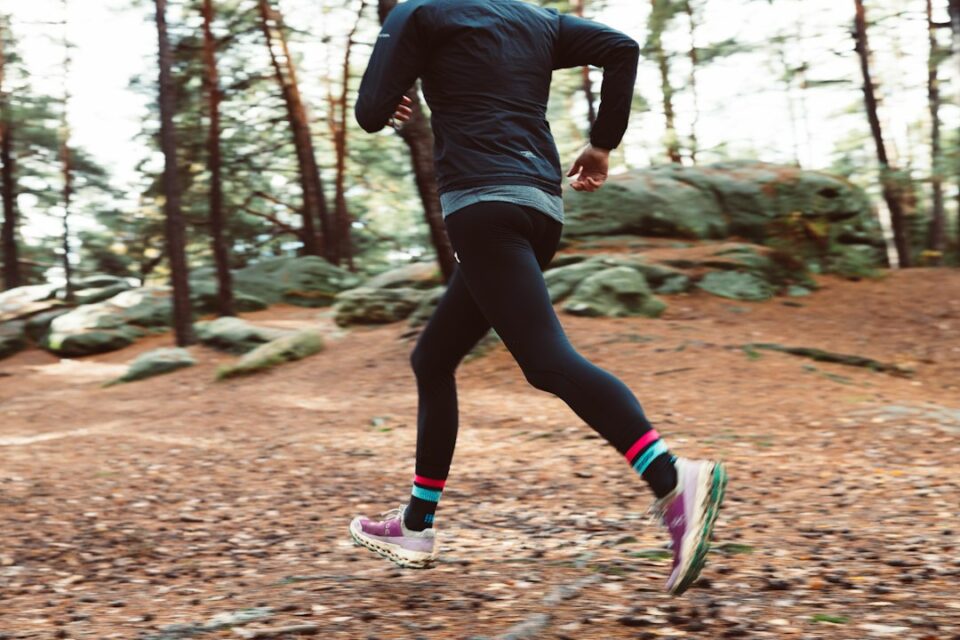
If you’re comparing brands, fabrics, and pocket layouts and wondering which pairs truly deserve the title of best running leggings for women, this guide will help you choose with confidence. You’ll learn how fabrics behave in real weather, how compression feels at different paces, which pocket systems carry a phone without bounce, and how to size, wash, and rotate leggings so they hold shape across seasons.
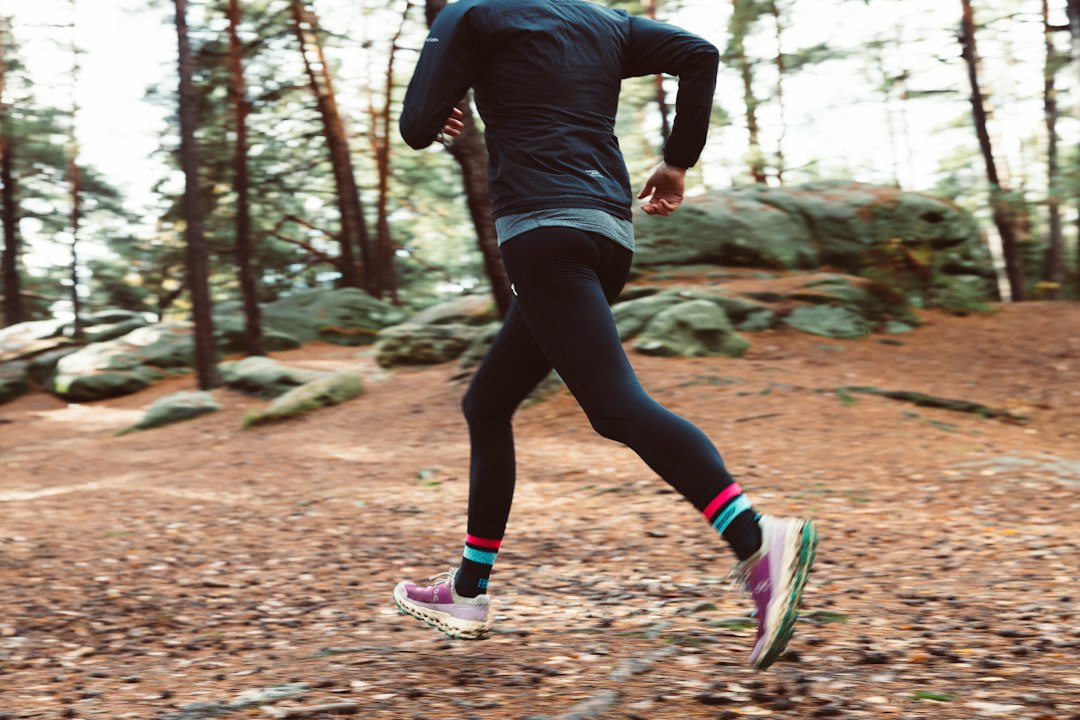
How to choose the best running leggings for women
Choosing well starts with the runs you do most. Write down three typical sessions from the last month: a weekday easy run, your harder day (tempo, hills, intervals), and a longer outing. Next to each, note the items you carry (phone, key, card, gels), the weather you faced, and anything that bugged you (waist rolling, pocket bounce, damp fabric). Those notes will steer your choices far better than a spec sheet.
Match those runs to a small set of priorities:
- Support level: barely-there softness for easy days vs moderate-to-firm hold for sessions with surges
- Storage: side thigh pockets for grab-and-go, a broad back sleeve for no-bounce phone carry, or minimal storage with a separate running belt
- Climate: lighter, fast-drying knits for warm air; midweight, denser knits for breezy shoulder seasons; brushed thermal interiors and wind panels for winter
- Fit discipline: mid-rise with drawcord for session security; high-rise for long-run comfort; inseam lengths that avoid shoe-collar rub
Finally, be honest about budget and habits. Two purpose-built pairs (one all-rounder, one thermal) can outperform a single expensive pair that never feels right on intervals or on cold mornings. A simple rotation also reduces wear, so each pair lasts longer and smells fresher with basic care.
Fabric science: fibers, knits, and compression grades
Most performance leggings blend polyester or nylon with elastane (spandex). Polyester excels at moisture transfer and quick dry times. Nylon often feels smoother and can resist abrasion from benches or trail brush. Elastane supplies stretch and recovery, helping the fabric rebound after each stride so the fit stays consistent over time. A good blend balances these traits rather than chasing a single headline.
Fabric weight, usually described in grams per square meter (GSM), shapes both feel and coverage:
- Lightweight (≈180–220 GSM): airy, fast drying, great indoors or on warm days; can feel clingy with a phone unless the pocket is well engineered
- Midweight (≈220–260 GSM): versatile for most months; mixes support with breathability; a reliable one-pair-does-most category
- Heavier (260+ GSM): more coverage and mild warmth; useful in shoulder seasons or layered with tall socks in winter
Beyond weight, knit structure matters. Interlock knits tend to be opaque and smooth. Brushed backs add a suede-like interior that traps a thin layer of air, taking the bite out of cold starts. Mesh zones behind the knee or along the outer thigh can improve air exchange without sacrificing coverage where you want it.
Compression is the other big lever. Think of it on a spectrum: light (soft, lounge-to-easy-run feel), moderate (secure without squeeze), and firm (snug for high-cadence workouts). Light compression may feel best for recovery runs and long, steady efforts when you want freedom; moderate compression suits the bulk of training, supporting turnover without restricting hip swing; firm compression can feel most stable on sprints, hill repeats, or plyometric drills. Try a hallway test: jog in place, do five high-knees, then two walking lunges. If the waistband or thigh panels creep down or twist, the compression or patterning may not match your stride.
Finishes and extras—odor-control chemistries, ceramic-printed grip, or light water repellency—can be helpful but should not overshadow core fabric quality. A fabric that wicks, dries, and recovers well is the foundation; any extras are tie-breakers when comparing two strong options.
Fit, rise, inseam, and shape for real-world movement
Fit is where comfort either shines or fails. Rise refers to where the waistband sits. Mid-rise often hits near the belly button and balances coverage with mobility. High-rise may feel extra secure on long outings or when you tuck a phone into the back waistband; it can also reduce the sense of the waistband sliding when you perspire more heavily. Lower rises are uncommon for performance running and can slip during fast running or drills.
Inseam choices influence heat and friction. Full length (about 27–29 inches for many sizes) covers the ankle and pairs easily with crew socks on cool days. Seven-eighths (about 24–26 inches) avoids bunching at the shoe collar and is popular for session days. Capri or knee lengths ventilate well in spring or on treadmills. If you often feel rubbing at the top of your shoe collar, seven-eighths can be a quiet fix because the hem ends above the contact point.
Patterning details help. A gusset—a diamond or triangular piece sewn in the crotch—reduces seam stacking and improves mobility for deep hip flexion. Contoured or “athletic” patterns can add room in the seat or thighs, helping fabric lie flat rather than stretching tight over strong quads or glutes. Petite and tall options aren’t just about leg length; they can reposition knee articulation and waistband height to match your body so fabric doesn’t twist under load.
In the dressing room, simulate running, not just standing. Jog a few steps. Try high-knees. Do a short lunge sequence. Watch for waistband rolling, hem creep, or thigh seams that you can feel with motion. Leggings that disappear on the move are usually the pairs you’ll reach for most.
Waistbands, drawcords, pockets, and carry systems
Waistband engineering matters more than it appears. Wide bands distribute pressure comfortably. Stable fabrics and internal power mesh reduce roll and help the waistband anchor during surges. A simple flat drawcord adds adjustability across seasons and sweat rates; front-tying designs are easy to knot and typically lie flat against the abdomen. If you often carry a phone at the waist, look for bands that feel stable when you jog in place with the pocket loaded.
Pockets determine what you can carry and how that load moves. Three common layouts work well:
- Center-back sleeve: a broad, stretchy pocket sitting flush at your spine; excellent for phones with minimal bounce when the band is stable
- Side thigh pockets: deep, snug pockets that hug a phone to your leg; great access mid-run for photos or playlist changes
- Back zip pocket: compact and secure; best for keys or cards rather than large phones
Decide based on your routine carry. If you rarely run with a phone, you may prefer a minimalist design. If you carry gels on long runs, verify that the pocket opening stretches enough for quick stashing without wrestling mid-effort. Trail runners sometimes split carry: a phone in a thigh pocket, a soft flask and extra gels in a vest. Road runners who dislike any waist load might keep pockets minimal and use a separate belt on long days. There isn’t one right answer—only the system that behaves well in your runs.
Opacity, seam construction, and managing irritation
Opacity is both a comfort and confidence factor. Check in bright, natural light with a squat or a high-knee hold. Dark colors should remain opaque; very light colors may need denser knits to do the same. Double-knit panels can help in high-stretch zones, but overall fabric quality drives opacity more than clever patches.
Seams touch skin for the entire run, so construction is worth a close look. Flatlock seams—two fabric edges butted together—lie flat and reduce bulk. Bonded seams look sleek but may feel stiff on long efforts; bend and twist to sense how they move. If your inner thighs or waist are sensitive, seek designs that move seam lines away from high-friction paths or use panels that allow smooth gliding as cadence increases.
Small details compound. Soft thread, neat seam allowances, and clean finishing reduce hot spots. Some leggings include laser-cut micro-ventilation behind the knees or in the lower back to enhance airflow and lower the chance of damp patches. If you’re especially sensitive, a thin, moisture-moving base brief can reduce the chance of irritation on steamy days without adding bulk.
Weather playbook: heat, wind, rain, and cold
Daily weather shapes fabric choice as much as training plans do. In heat and humidity, prioritize light knits that move moisture rapidly, with mesh behind the knee or along outer thighs for airflow. Shorter inseams (capri or seven-eighths) help with evaporative cooling. Lighter colors may reflect more sun, but double-check opacity before choosing them for deep bends or strides.
In breezy shoulder seasons, midweight fabrics with a smoother, denser face tend to soften wind better than very thin knits. If you run at dawn or dusk, multi-angle reflective details on calves, thighs, or waistband can help you be seen when paired with a light. Consider how your jacket hem meets your waistband so layers don’t create rub points.
Cold mornings call for brushed-back interiors that trap a thin buffer of warm air, keeping legs more comfortable without heavy bulk. Hybrid designs place a wind-resistant panel on the front thigh and knee and keep the back panels more breathable to limit clamminess on climbs. In drizzly conditions, a light water-repellent finish helps moisture bead and shed for a while. That finish won’t keep you dry in a downpour, but it can lower cling and chill on misty routes. For deep winter, combine thermal leggings with tall merino or synthetic socks and, on the coldest days, a thin base layer under leggings. Small adjustments like these often make the difference between cutting a run short and ticking off the miles on schedule.
Workout matching: speed, long runs, gym, and trail
Different sessions reward different fabric personalities. For speed days—tempos, intervals, track repeats—moderate-to-firm compression with a no-slip waistband and a secure thigh pocket tends to feel best. The goal is a stable platform that doesn’t ride down when you surge or turn over quickly. A lightweight or midweight knit that rebounds fast after each stride supports that feeling of snap.
For long runs, many runners trade a touch of compression for plushness, breathability, and storage. Deep side pockets or a broad back sleeve spread weight so your stride stays natural, and a less dense knit may feel less clammy across two or three hours. On mixed run-plus-gym days, prioritize seam comfort and knee recovery so squats, step-ups, and lunges feel smooth. If you often stay for a mobility session after your run, a gusset that permits deep hip rotation is a quiet luxury you will appreciate weekly.
Trail runs ask a bit more of the outer fabric. Look for a smooth, robust face that resists snags from brush and rocks without feeling like cardboard. A little extra length can pair well with higher socks to block grit. If you power-hike steep grades, fabrics that breathe at lower speeds matter as much as they do at tempo pace. Reflective details on trail leggings are a nice bonus for pre-dawn dirt or dusty fire roads.
Sizing, alterations, and inclusive options
Good sizing starts with a tape measure and five minutes. Measure waist (where a mid-rise would sit), high hip (around the top of the hip bones), and full hip at the largest point. For inseam, measure from your crotch to the ankle bone and compare with brand charts, keeping in mind that stretch fabrics shift a bit on the body. If your measurements sit between sizes, think about use case: firmer compression fabrics may feel better a half-step up; very stretchy knits may hold fine at the smaller option.
Rise and inseam can be tuned lightly. If a waistband feels perfect but the legs run long, a tailor can often shorten hems without harming performance. If a gusset sits oddly or the waistband is unstable even with a drawcord, choose another pattern; that’s not a quick fix. For curvier builds, look for “contour” or “glute-friendly” notes; for straighter builds, patterns with less back rise may avoid pooling at the lower back.
In 2026, inclusive size ranges and multiple inseams are more common than a few years ago. Brands offering petite, tall, and extended sizing increase the odds that knee articulation and pocket placement match your body. The more the pattern matches your proportions, the less you’ll notice the garment once you start running.
Sustainability, durability, and care that pays off
Greener choices increasingly align with durable choices. Recycled polyester and nylon are common in high-quality knits, and many mills now meet Bluesign or OEKO-TEX standards for chemical management. Durability is a form of sustainability: denser knits, reinforced stress points, and stable waistbands extend useful life so fewer pairs cycle through your closet each year.
Care routines are simple and effective. Cool or cold washes help fabrics recover better and save energy. Skip fabric softener because it can coat fibers and reduce moisture movement. Wash inside-out to protect the fabric face and reflective details. Air-dry when possible; if you use a dryer, keep it on low heat. A small fabric comb tidies pilling that may appear on high-friction zones, and a quick overcast stitch can secure a popped seam before it grows. These small habits lower cost-per-run and keep leggings feeling the way they did in month one.
Budget, value, and where to shop
Price signals fabric and construction quality, but gems exist across ranges. Under the premium tier, many mid-priced leggings combine robust knits, reliable pocket systems, and clean seam work that outlasts trendier but less stable designs. Map your must-haves and nice-to-haves, then test two or three candidates side by side. A simple jog-in-place—phone loaded in the pocket you’ll use—tells you more about waistband security than any product description.
If you shop online, read size charts carefully and compare inseam and rise to a pair you already like. Scan fabric composition for hints about support and feel: high elastane with dense nylon leans supportive; a polyester-leaning midweight usually breathes and dries quickly. Many retailers allow free returns on new-condition gear; use that window to do dynamic tests at home rather than simply standing in front of a mirror.
To explore sportswear essentials and compare styles in one place, browse the Sportswear category on our site: Dio Fashions Sportswear. When a pair earns repeat use on both session days and easy days, it’s a keeper—track what made it work (rise, inseam, pocket layout, fabric blend) and save that data for next season’s purchases.
Try-on checklist and at-home tests
Bring a quick protocol into the fitting room or your hallway at home. It helps you evaluate how leggings behave in motion rather than on a hanger.
- Warm-up jog: 60 seconds of easy running-in-place. Watch for waistband roll or creep and listen for fabric swoosh that hints at stiff panels.
- High-knees and butt kicks: 20 seconds each. Check thigh and calf feel; note if hems ride up or twist.
- Squats and lunges: five squats, a lunge each leg. Look for opacity under strain and any seam pressure at the hip crease.
- Pocket load-out: insert your phone and a key. Jog again. Sense bounce, tilt, and whether items stay centered and comfortable.
- Heat check: hold a deep knee bend for 10 seconds. If the back of the knee feels swampy immediately, the fabric may run hot for your climate.
- Layer check: pull a run jacket over the waistband and simulate arm swing. Ensure no rubbing where layers meet.
- Care label confirmation: cool wash, no fabric softener, low heat or air-dry—simple, sustainable care saves the garment.
Jot quick notes—waist stability, pocket performance, opacity, heat feel—so you can compare candidates clearly. If one pair aces storage and stability but feels a hair firm for long runs, consider it for sessions and keep a softer pair for weekend mileage. Dividing labor across two pairs often extends both lifespans.
Capsule rotation ideas for a full year
A small rotation covers most climates without cluttering your drawer. Consider building toward three roles:
- All-rounder: midweight, moderate compression, deep side pocket, reflective trim. Works indoors and from roughly 40–70°F for many runners.
- Thermal: brushed interior, wind-resist panel at the front, ankle length for seamless sock pairing. Takes the edge off cold starts.
- Heat specialist: lightweight, quick-dry fabric with mesh behind knees, capri or seven-eighths inseam. Moves moisture and air on humid days.
With that trio, you can match fabric to forecast rather than forcing one pair to do everything. You’ll also spread laundering and lower wear on any single garment.
Frequently asked questions
How tight should running leggings feel?
Secure, not restrictive. You’re aiming for a fit that stays put while allowing full hip and knee flexion. If breathing feels restricted or you notice pinching or rolling, adjust size, rise, or compression level.
Do I need a drawcord?
Many runners like the insurance of a drawcord for sessions or long, sweaty runs, especially when carrying a phone. If a waistband stays stable during a jog test without a drawcord, you may not prioritize it.
What’s the difference between nylon- and polyester-leaning blends?
Polyester typically wicks and dries quickly. Nylon often feels smoother and can resist abrasion better. Many reliable leggings blend both with elastane for stretch and recovery. Let your use case decide: smoothness and abrasion handling (nylon) vs speedy moisture movement (polyester).
How can I lower phone bounce?
Choose designs that cradle the phone flat against your body: deep thigh pockets and broad back-waist sleeves are solid options. Pair that with a stable waistband and, if needed, a drawcord.
Are light-colored leggings practical?
Yes, with two caveats: choose a denser knit for opacity and do a bright-light squat test. Many runners reserve lighter colors for fair-weather routes and use darker options when roads or trails are muddy.
Can I use the same leggings for running and strength work?
Often, yes. Look for fabrics with strong recovery and interiors that feel smooth on squats and lunges. If you train on rough surfaces, a tougher outer knit helps resist abrasion.
How many pairs do I really need?
One versatile pair can cover a lot of training, but two or three targeted pairs make life easier if you run in distinct seasons or split time between track, treadmill, and trail. More important than the number is whether the pair you grab vanishes in motion—no fuss, no constant adjustment.
Armed with the fundamentals—fabric weight and blend, fit and rise, pocket strategy, weather tuning, and care habits—you can assemble a small rotation that fits your routes and routines. When you test options, replicate your typical run moves and pocket load. The pair that stays quiet at pace is usually the right pick.