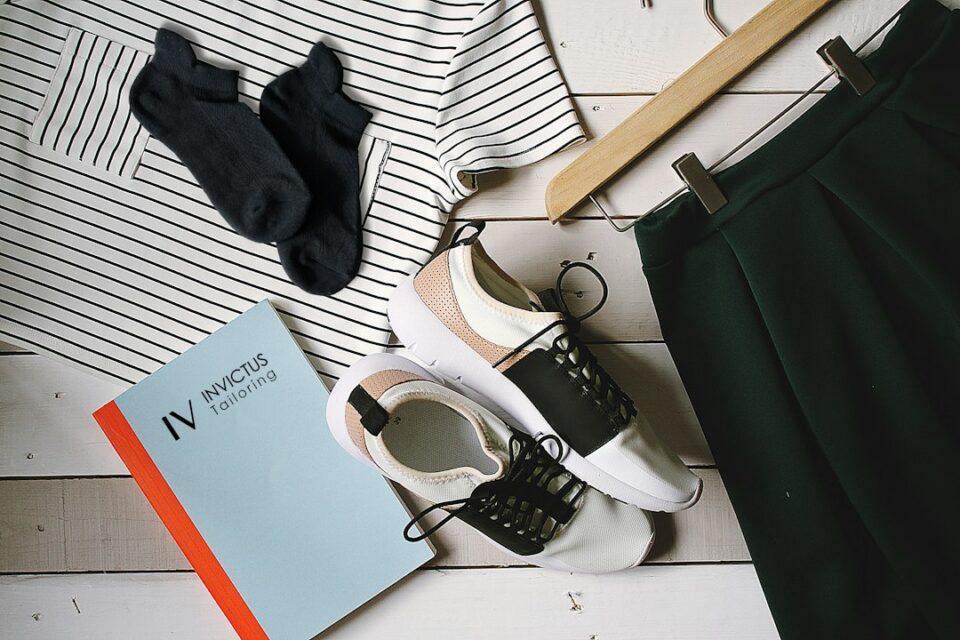
Building a Workwear capsule wardrobe is one of the most reliable ways to simplify your mornings, project confidence, and get more value from fewer pieces. Instead of chasing every trend or buying standalone outfits that rarely mix, you’ll assemble a compact set of versatile clothes that work together across meetings, commutes, travel, and after-work plans.
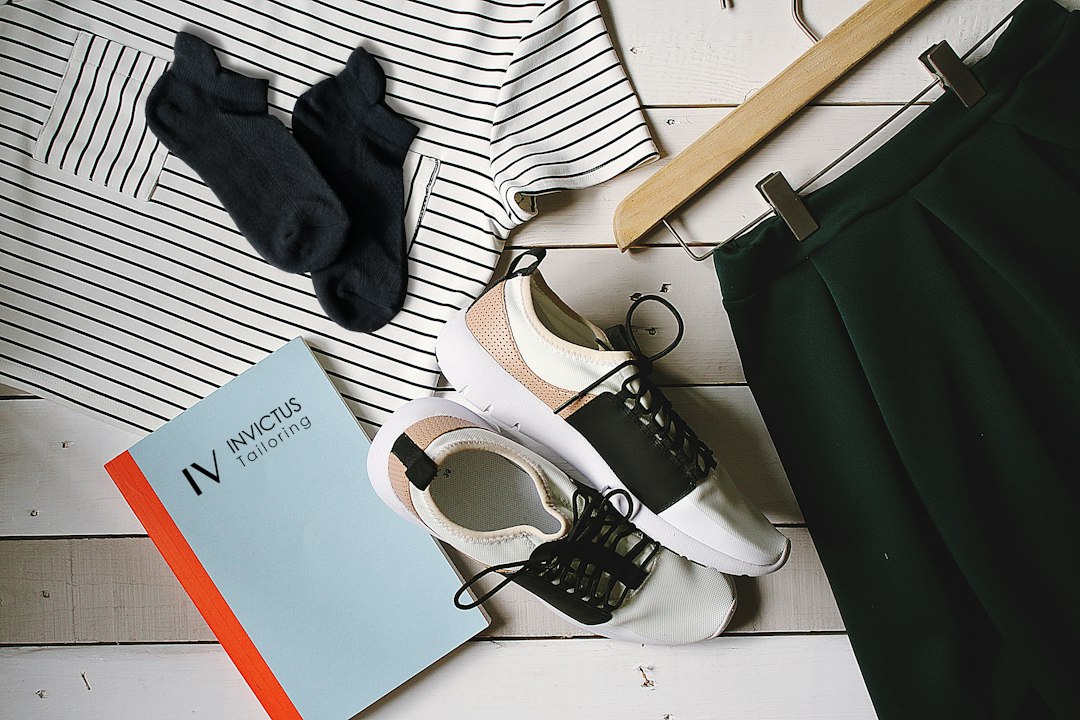
Workwear capsule wardrobe fundamentals
A capsule is a purposeful collection, not a random pile of basics. The idea is to choose a small number of garments that can be combined in many ways, so you can dress with speed and clarity. You decide the palette, the structure, the fabrics, and the proportions up front. After that, your capsule does the heavy lifting: it limits decision fatigue, holds your personal style consistent, and multiplies outfit options without multiplying spend.
Here is the mindset shift that makes a capsule work: you move from buying outfits to buying components. A black trouser is no longer “for that blazer only,” and a knit cardigan is not “for Fridays only.” Each item becomes a connector between other items. Your wardrobe behaves like a system, not a closet of one-off purchases.
Benefits of a work-focused capsule include the following:
- Time savings: Fewer choices and clear pairings reduce decision fatigue during busy mornings.
- Consistency: You present a coherent look that supports your professional identity, whether you are in finance, media, tech, or healthcare administration.
- Higher quality: With fewer purchases overall, you can allocate budget to better fabrics and construction that last longer and look sharper.
- Travel-readiness: A capsule compresses easily into a carry-on without sacrificing variety or polish.
- Lower environmental impact: Buying less, choosing well, and wearing pieces longer helps reduce waste.
In a professional setting, a capsule also acts like a visual brand guideline. You do not need to look identical every day, but you will look related to yourself each day. That steadiness can communicate reliability in the same way a consistent presentation style or email signature does. And when you want to dial things up for a presentation or a client meeting, you can do so by changing a few variables—shoes, belt, scarf, watch, or a statement blouse—while staying within the capsule’s system.
Clarify your role, climate, and dress code
Before you buy or edit anything, map the environment where you actually work:
- Role and expectations: Corporate law, accounting, and consulting often lean toward classic tailoring and dark neutrals. Media, design, and tech can be more relaxed, with room for knitwear, clean sneakers, and softer silhouettes. Education and public service roles often require comfortable, durable fabrics that look smart without feeling formal.
- Climate and commuting: If you commute by train in a four-season city, you’ll need layers, weather-ready outerwear, and resilient footwear. If you drive to a climate-controlled office in a warm region, you’ll focus on breathable fabrics and lighter colorways.
- Official and unofficial dress codes: Some workplaces publish guidelines; others rely on cultural norms. Observe what the respected people wear. Notice footwear allowances, denim policies, and how much color or print appears in senior teams.
- Hybrid schedules: If you split time between home and office, prioritize camera-friendly tops (clean necklines, mid-contrast colors, minimal glare) and comfortable bottoms that still read polished when you stand up or head out. Keep a “grab-and-go” blazer or cardigan near the desk for quick upgrades.
Once you’ve defined the environment, set a capsule target that fits your calendar. For many people, twenty pieces (not counting underwear, hosiery, and workout gear) can produce weeks of variety. If you travel often or your week includes formal and casual moments, add a few flex items. The right number is the smallest set that gives you confidence every day—not a number that feels restrictive.
Color strategy that rescues your mornings
A capsule runs on color discipline. Instead of buying many shades that almost match, pick a tight palette that always matches. A practical framework looks like this:
- Base neutrals (2–3): Black, charcoal, navy, taupe, camel, ivory, or stone. Choose two you love and one secondary. These anchor trousers, blazers, skirts, and core dresses.
- Secondary neutrals (1–2): Variations that blend with your base—e.g., mid-grey with charcoal, chocolate with camel, or off-white with stone. Secondary neutrals widen pairing options without adding noise.
- Accent colors (1–3): The small doses that add personality—soft blue, forest, burgundy, burnt orange, dusty rose, teal. Concentrate accents in tops, knits, scarves, or a single standout blazer.
- Prints (0–2): If you enjoy print, let it be the only complicated element in an outfit. Classic stripes, subtle checks, micro polka dots, or a quiet floral can add movement while staying timeless.
Keep contrast in mind. If your workplace is conservative, aim for low to medium contrast (navy with stone, charcoal with soft blue). In creative environments, high-contrast accents (ivory with black, camel with crisp white) can look intentional and modern. The key is restraint: when color choices are pre-decided, you spend minutes getting dressed, not half an hour debating shades.
Two sample palettes to illustrate the concept:
- Navy capsule: Navy and stone as base, charcoal as secondary, accents in soft blue and olive, plus a subtle glen check in one blazer.
- Black capsule: Black and ivory as base, camel as secondary, accents in burgundy and forest, with a pinstripe trouser as the single pattern.
Build your capsule around your most flattering base. If you love navy but your shoes are mostly black, you can still wear both—just keep each outfit coherent (navy garments with black shoes often look refined when ivory is present somewhere in the look).
Fabrics and construction that hold up
Good fabric is quiet power. It hangs well, resists wrinkles, and takes back its shape after a long meeting or commute. Some materials to consider:
- Wool suiting and blends: For blazers, trousers, and skirts. Look for breathable weaves (tropical wool for warm seasons, flannel for cold), a smooth hand, and fully finished seams. Tailored wool holds a crease and drapes cleanly.
- Stretch-woven blends: Many modern trousers and sheath dresses use technical fibers for comfort and recovery. Choose matte finishes to avoid shine under office lighting, and check that knee and seat areas bounce back.
- Cotton sateen and high-twist cotton: For shirts and shirt-dresses. High-twist yarns wrinkle less; sateen adds a subtle sheen that looks polished with minimal ironing.
- Silk and silk-alternatives: Silk crepe de chine, sand-washed silk, or high-quality cupro and TENCEL blends add elegance to blouses without feeling overly formal. Prioritize opaque or line where needed.
- Merino and cotton knits: Fine-gauge merino cardigans and crewnecks layer effortlessly under blazers. Cotton knits are easy-care and breathable; both feel right in business-casual offices.
- Lining and finishing: A good blazer has lining that glides over shirts, stable shoulder seams, and buttons sewn with secure shanks. Skirts should have waist stays and smooth zippers. Quality finishing extends lifespan and comfort.
Fabric care matters, too. When you prefer machine-washable items, invest in a delicates bag, use lower spin speeds, and reshape garments while damp. For dry-clean-only pieces, space out cleanings unless visibly soiled; brush wool blazers with a garment brush and air them overnight. Consistent maintenance prevents pilling and preserves crisp edges.
The 20-piece blueprint (with options)
Use this blueprint as a starting point. Adapt to your role, climate, and personal preferences. The aim is coverage of scenarios—presentation days, desk days, travel, and social events—without excess.
- Blazers (2): One dark neutral (black or navy) and one lighter or textured option (camel, glen check, or subtle pinstripe). Single-breasted styles are more flexible than double-breasted for layering.
- Trousers (3): A tailored straight or slim pair, a relaxed or wide-leg pair, and one technical-stretch or ponte pair for comfort-heavy days or travel.
- Skirts (2): A pencil or straight skirt in a base neutral, and an A-line or pleated option for movement. Midi lengths work across seasons with boots or pumps.
- Dresses (2): A sheath or column dress that takes a blazer well, and a shirt-dress or wrap for versatility (belt it under a blazer, wear open as a lightweight layer, or style solo in summer).
- Shirts and blouses (5): One crisp white or ivory button-up, one soft silk or silk-alternative in an accent color, one stripe or dot, and two knit or jersey tops for long days at the desk or travel.
- Knit layers (2): A fine-gauge cardigan and a crew or turtleneck in merino or cotton, both in capsule neutrals.
- Outerwear (1–2): A trench or tailored coat for wet or cool months; a lightweight mac or chore-style jacket for shoulder seasons.
- Footwear (3–4): A low block-heel or flat pump, a sleek loafer or derby, a refined ankle boot for cool weather, and clean leather sneakers if appropriate for your office or commute.
- Accessories (4–6): A leather belt, a watch, a simple pendant or hoop earrings, one silk scarf, a tote that fits a laptop, and a compact crossbody for lunch or after hours.
That blueprint totals roughly twenty pieces, not counting outerwear and accessories, and it gives you hundreds of combinations. If your office is more formal, emphasize tailoring: add a third blazer and a fourth trouser, drop sneakers, and keep accents quiet. If your office is relaxed, swap one blazer for a structured knit jacket, add a soft chore jacket, and keep one pair of tailored trousers + one relaxed pair.
Remember, a capsule evolves. If a certain piece never leaves the hanger—perhaps a bright blouse that felt exciting in the store but competes with everything—trade it for an item that plays better with the group. The right capsule contains only hard-working allies.
Outfit formulas and a 10×10 challenge
Outfit formulas translate the capsule from concept to daily reality. Consider these reliable templates:
- Presentation-ready: Dark blazer + tailored trouser + crisp button-up + loafers or pumps. Add a subtle belt and a watch; keep jewelry quiet.
- Desk-to-dinner: Sheath dress + camel blazer + medium-contrast scarf + ankle boots or pumps. Switch to a compact crossbody after hours.
- Creative-casual Friday: Knit top + wide-leg trouser + light blazer or chore jacket + clean leather sneakers or loafers.
- Hybrid day: Camera-friendly blouse or fine-knit + stretch trouser + cardigan near the chair + loafers by the door.
- Travel workday: Technical-stretch trouser + soft blazer + jersey top + scarf. Choose shoes that slip on at security and keep their shape after a flight.
To build confidence and reveal gaps, try a 10×10 challenge: select 10 items from your capsule (e.g., 2 blazers, 3 tops, 2 trousers, 1 skirt, 1 dress, 1 pair of shoes—accessories are free) and make 10 distinct outfits across two workweeks. You will immediately learn which color stories you prefer, which silhouettes repeat too often, and whether a particular blouse would unlock more combinations. Photograph each outfit to create your personal lookbook.
As you test formulas, refine your proportions. If a long blazer and a wide-leg trouser feel heavy together, switch to tapered trousers or a shorter jacket. If a pencil skirt and a button-up feel too strict, soften with a silk blouse and a cardigan. Small changes maintain the capsule’s coherence while adjusting the mood.
Fit, tailoring, and comfort without compromise
Fit is everything. Even mid-priced garments look far more expensive when tailored correctly. Target three quick alterations that yield outsized results:
- Hem and sleeve length: Trousers should not puddle; sleeves should meet the wrist bone without swallowing hands. A clean break looks intentional and keeps shoes visible.
- Waist and side seams: Slightly shaping the waist of jackets and dresses, or reducing excess fabric at the side seams, carves a sharper line without discomfort.
- Shoulders and darts: A blazer that fits at the shoulder sets the tone for the whole outfit. Darts on dresses and blouses can be adjusted to remove bubbling or pulling.
Comfort is a design choice, not an afterthought. Stretch trousers with a smooth waistband can look tailored but feel relaxed. Fine-gauge knits slide under blazers without bulk. If you stand a lot, choose block heels, low wedges, or supportive flats; if you walk long distances, build your capsule around footwear that supports that reality.
Develop a simple fitting ritual: sit, stand, reach forward, lift a laptop bag, and climb a stair. If something pinches or twists during these movements, address it with alterations or consider another cut. Clothes should free your attention for the work at hand.
Footwear and accessories: small pieces, big range
Shoes and accessories are your quickest levers for changing tone inside a capsule. Keep a small rotation that maps to your calendar:
- Loafers or derbies: Polished but comfortable. They pair with trousers and skirts and work across seasons with the right socks.
- Low pumps or block heels: Presentation days and dressier meetings. A low, stable heel is more practical than a stiletto and reads just as refined in most offices.
- Sleek ankle boots: For cool months. Choose a shaft height that meets your trouser hem or sits neatly under a skirt.
- Clean leather sneakers: If allowed, they support long commutes and creative offices. Keep the silhouette minimal and the leather pristine.
Accessories add personality without breaking your palette. A silk scarf can tie accent colors together. A slim belt defines the waist on a shirt-dress or adds structure to a knit-and-trouser look. Jewelry can be simple daily pieces you rarely remove: small hoops, a chain, a watch. Bags do real work: a tote for laptop and documents, and a compact crossbody to switch to at lunch or after hours.
Limit novelty. In a capsule, one interesting scarf or one unique watch will get more wear than a drawer of options. If you do crave variety, rotate accents by season rather than adding duplicates.
Care, storage, and rotation: making it last
Longevity is maintenance plus rotation. A few low-effort habits dramatically increase lifespan:
- Air and brush: After wearing wool tailoring, hang it on a wide hanger and let it rest overnight. Use a garment brush to remove surface dust and revive nap.
- Steam strategically: A handheld steamer releases travel wrinkles without pressing creases out of trousers and skirts. Steam knits lightly from the inside.
- Launder gently: Wash delicates in a mesh bag with a mild detergent; skip heavy spin cycles. Lay flat to dry knits to prevent stretching. Keep zippers closed to avoid snags.
- Rotate shoes: Alternate pairs to allow insoles to dry fully. Use shoe trees for leather styles.
- Seasonal storage: Pack off-season items clean and fully dry. Use breathable garment bags or cotton boxes. Add cedar or lavender sachets where needed.
Set a light routine: five minutes each evening to reset hangers and prepare tomorrow’s outfit, and thirty minutes on weekends to review what needs steaming, polishing, or a trip to the tailor. Regular micro-care beats occasional overhauls.
Budgeting, cost-per-wear, and smart shopping
A capsule shifts the budget conversation from price tags to value. Cost-per-wear (CPW) is a simple tool: the more often you wear an item, the lower the CPW becomes. A $180 trouser worn 60 times costs $3 per wear, while a $60 blouse worn three times costs $20 per wear. The goal is to invest in items you can picture wearing weekly for a season, not pieces that sit.
Smart shopping habits for capsule value:
- Start with the gap: After a week of outfits, list the moment you thought, “This would be easier if I had X.” Shop that gap first.
- Buy duplicates strategically: If a specific trouser is perfect, consider a second in another base neutral. Duplicating the right template can extend the capsule’s life.
- Audit before acquiring: Try three outfits with an item before you buy it. If you cannot make three combinations from memory, it probably does not belong.
- Respect return windows: Wear-test at home, move naturally, and check proportions with your existing pieces. Return what does not earn its place.
If you want inspiration for polished, mixable pieces, explore the Workwear Dress Up category on our site for curated ideas that fit this approach. You can start here: Workwear Dress Up.
Adaptations: petite, tall, plus, maternity, travel
Capsules are frameworks, not rigid rules. Tailor yours to your body and your schedule.
- Petite: Favor cropped or ankle-length trousers (or hem to the ankle) to lengthen the leg line. Keep blazer lengths slightly shorter and avoid oversized lapels that overwhelm the frame. Vertical details—pressed creases, vertical darts—add height visually.
- Tall: Wide-leg trousers with proper inseam and longline blazers look intentional. Explore mid-rise as well as high-rise for comfort during desk work. Sleeves should reach the wrist bone; many brands offer tall sizing in shirts and dresses.
- Plus: Structure plus drape is a powerful combination. Seek fabrics with enough weight to skim (not cling), and prioritize blazers with comfortable armholes and shaping seams. A-line skirts, wrap dresses, and straight-leg trousers create balanced lines.
- Maternity and postpartum: Choose stretch trousers with soft waistbands, wrap or empire-waist dresses, and long cardigans or blazers that can remain open. Build around breathable fabrics and versatile layers you can adjust throughout the day.
- Travel: Pre-plan a micro-capsule inside your capsule: one blazer, two tops, one trouser, one dress or skirt, and one knit. Stick to a single accent color and pack a scarf for warmth on flights. Choose shoes that slip off easily at security and dress up or down on arrival.
Regardless of body type, the fit test still rules. A tailor can shorten sleeves, move darts, or tweak waistlines to bring a piece into alignment with your frame. When in doubt, prioritize shoulder fit in blazers and overall rise in trousers; these are harder to change later.
Seasonal switches and subtle refreshes
Your capsule can live year-round with minor adjustments:
- Warm weather: Swap flannel and heavy knits for tropical wool, high-twist cotton, and silk. Lighten the palette: stone or ivory trousers with navy or black tops read fresh without loud color.
- Cold weather: Add fine merino or cashmere layers, tights with skirts, and polished boots. Choose a tailored coat that echoes your capsule’s silhouette and colors.
- Rain and wind: A good trench or water-resistant mac preserves blazers and keeps the overall look intentional on bad-weather days.
For refreshes, think small. Replacing a tired belt, polishing shoes, or introducing a single new blouse in your accent color can wake up the entire rotation. Trends can be sampled with accessories—an updated earring shape, a subtle pattern shift—without rewriting the capsule’s structure.
Checklist and maintenance routine
Here is a compact checklist you can adapt to your notes app and revisit each quarter:
- Color discipline: Do all new pieces match your capsule palette (base neutrals + accents + prints)?
- System coverage: Do you have solutions for presentation days, travel days, and relaxed days?
- Fit audit: What needs a tailor? Are shoulders, hems, and waistbands dialed in?
- Fabric care: Which items need brushing, steaming, or a break between wears?
- Footwear rotation: Are you alternating pairs and using shoe trees?
- Cost-per-wear: Which pieces earned their keep? Which deserve to be replaced or removed?
- Refine formulas: Which outfit templates did you repeat most? Where can one strategic item unlock more options?
Schedule a 30-minute capsule review at the start of each season. Take quick photos of 8–10 favorite outfits, note any friction points (a waistband that shifts, a blouse that wrinkles), and write a short shopping list grounded in what you actually wear. That simple rhythm keeps the capsule lean, effective, and true to your lifestyle.
Your week, simplified: putting it into practice
Begin with what you already own. Pull everything that fits your base palette and your role’s expectations. Create three outfits on the bed. If an item appears in none of them, set it aside. If a piece anchors multiple outfits with ease, that piece belongs in the capsule. Build gradually: edit, wear, review, and adjust. Within a few weeks, your closet will operate as a system, and your mornings will run on rails.
Once your Workwear capsule wardrobe is in place, you will feel the results immediately. You will repeat outfits without repeating the feeling of repetition, because the capsule’s structure keeps your look fresh while the pieces stay familiar. That combination—confidence through consistency, variety through smart combinations—is what separates a strong work wardrobe from a crowded one.