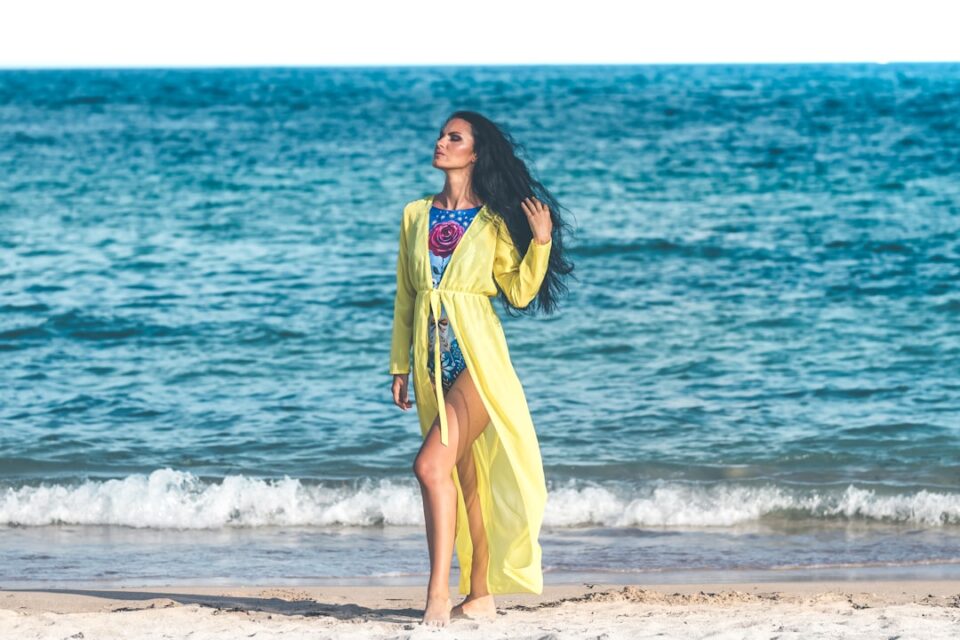
Women’s Resort Wear Outfits can look polished without feeling overdressed, and that balance is exactly why I keep coming back to them. When I dress for warm weather, I want pieces that handle sun, humidity, dinner plans, and the occasional long walk without making me think too hard. That is the real appeal. Resort dressing is not just about palm trees and pool chairs. It is about building a wardrobe that feels light, intentional, and easy to repeat.
If you want more outfit ideas beyond this guide, I keep a running list in the Fashion Outfits category. I use that page the same way I use a packing list. I go there when I need to see what actually works together, not just what looks nice on a hanger.
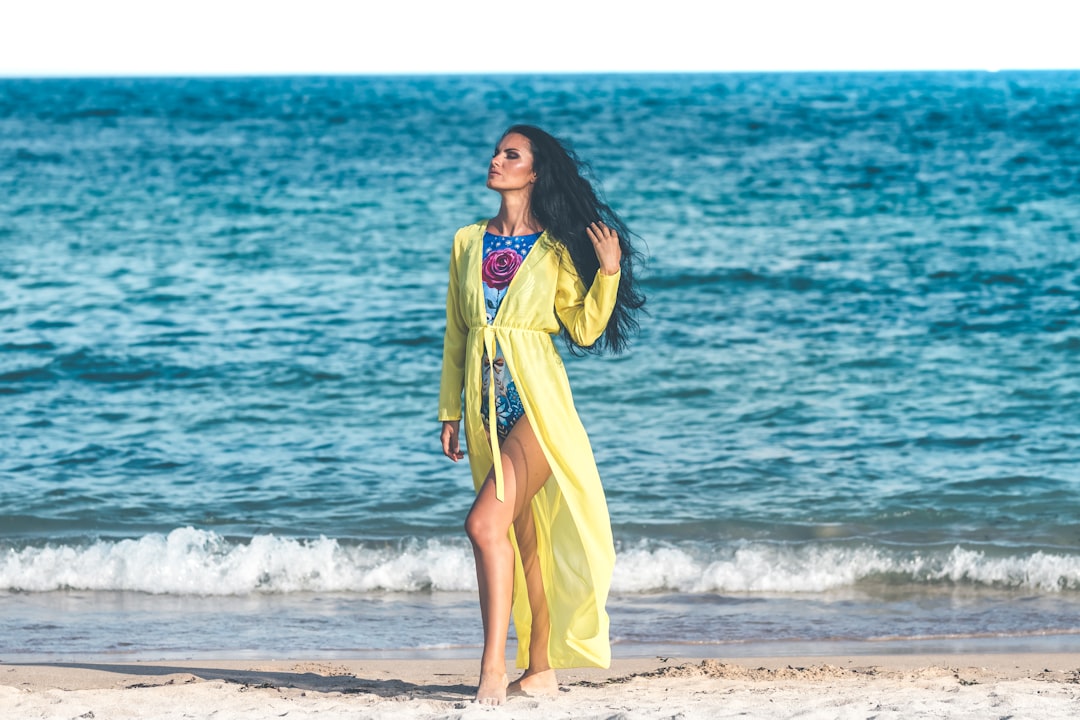
The best resort looks usually start with fabric, proportion, and a clear color idea. Once those three things are in place, everything else gets easier. You do not need a closet full of loud prints or a suitcase packed with one-off pieces. You need a small system that can move from beach to breakfast to a late dinner without feeling fussy. That is what I am building here, section by section, with examples you can use on your next trip.
Start with fabric before you think about trend
When I see a resort outfit that works, the first thing I notice is not the print. It is the fabric. The wrong fabric can make even a simple outfit feel heavy, stiff, or strangely formal in a warm setting. The right fabric gives you movement, air, and a little bit of ease the second you put it on. That is why I usually start every warm-weather outfit plan by sorting pieces into two piles. One pile is for fabrics that breathe. The other is for fabrics I only want to wear in a short window or under very specific conditions.
Linen is the obvious favorite, but I do not treat it like the only answer. Cotton poplin gives structure without feeling too polished. Viscose and rayon drape nicely when I want something softer. Silk blends can work for evening if the cut is simple. Crochet and open-knit pieces are great when I need texture, but I usually balance them with something cleaner so the outfit does not start looking costume-like. If I am traveling, I also think about what still looks good after a few hours in a suitcase, because some pieces earn their place by surviving real life.
| Fabric | Best use | What I watch for |
|---|---|---|
| Linen | Shirts, trousers, dresses, matching sets | Wrinkles fast, so I prefer relaxed tailoring |
| Cotton poplin | Button-downs, shirts, summer skirts | Can feel crisp to the point of stiffness if the cut is too sharp |
| Viscose or rayon | Slip skirts, drapey tops, soft dresses | Needs good construction so it does not cling awkwardly |
| Silk blend | Evening tops, dresses, elevated separates | Best when the silhouette is clean and not too complicated |
| Crochet or open knit | Layering pieces, cover-ups, textured tops | Needs a simple base so it stays chic |
That little fabric filter saves me from buying pieces that only look good in a store mirror. If a dress is beautiful but traps heat, it is not really resort wear. If a shirt looks neat but turns into cardboard after an hour, I will not reach for it again. The best pieces feel like they belong in motion. They move when you walk, they sit comfortably in the heat, and they do not ask for constant adjustment.
Build a color system that works on repeat
I like resort color palettes best when they feel calm enough to repeat and interesting enough to photograph well. That sounds obvious, but a lot of vacation wardrobes go wrong because every item tries to be the star. Then nothing matches, and the suitcase starts to feel like a costume rack. My fix is simple. I choose one base color, one supporting neutral, and one accent that can appear in a scarf, sandal, bag, or printed top.
For a soft palette, I might use ivory, sand, and pale blue. For something a little richer, I like black, white, and olive. If I want warmth, I will use cream, terracotta, and gold. The point is not to eliminate personality. The point is to make sure every piece can speak to at least two other pieces in the suitcase. That is how you get more outfits from fewer items. You stop packing by mood and start packing by relationship.
Here is the part I always remind myself. A strong resort palette does not have to be bright. Some of the best outfits are quiet. A cream shirt with tan trousers can look more expensive than a print that screams for attention. A monochrome look can feel relaxed and polished at the same time. If you love pattern, keep it under control by choosing one print that borrows from your base colors. That way the printed piece still behaves like a team player.
When I am unsure, I ask three questions. Does the color flatter the environment I am going to? Does it pair with at least three other pieces? Will I still want to wear it after the trip, or is it only charming because I am imagining a sunset? That last question saves me more often than I would like to admit.
How I Build Women’s Resort Wear Outfits That Travel Well
Women’s Resort Wear Outfits work best for me when they follow a repeatable formula. I do not want to invent a new look every morning. I want a few reliable combinations that feel fresh because the proportions, textures, or accessories change. That is much easier to wear, and it also makes packing less chaotic.
One of my favorite formulas is a relaxed button-down with wide-leg trousers. It is simple, but it does a lot of work. The shirt can be half-tucked, tied, or left open over a tank. The trousers add length and movement. If the fabric is linen or cotton, the whole outfit feels appropriate for warm weather without looking careless. Another formula I like is a matching set. Matching sets are useful because they solve the top-and-bottom problem in one step, but they also give you two separate pieces you can remix later.
A slip skirt with a tank or fitted knit top is another strong option. It feels a little more dressed up, especially if the skirt has a soft shine or fluid drape. If I want something even easier, I reach for a shirt dress. A shirt dress works because it has built-in structure. Add a belt, and it becomes more defined. Leave it loose, and it becomes casual. That flexibility matters when your day might include coffee, a taxi ride, lunch, and a dinner reservation.
These are the combinations I keep returning to:
- Button-down shirt + wide-leg trousers + flat sandals
- Matching top-and-short set + woven bag + simple jewelry
- Slip skirt + tank + light overshirt for evening
- Shirt dress + belt + low heel or clean flat
- Swim cover-up + tailored shorts + slide sandals
The reason these formulas work is that they create balance. If the fabric is soft, the lines stay clean. If the silhouette is loose, the shoe can be minimal. If the outfit is already strong in shape, the accessories can stay quiet. I do not need every piece to shout. I just need the whole look to feel intentional when I stand in front of a mirror or step out of a hotel room.
Choose the right look for the place you are actually going
One of the easiest mistakes with resort styling is dressing for an imaginary vacation instead of the trip in front of you. A beach club outfit is not the same as a city resort outfit. A cruise outfit is not the same as a mountain hotel outfit. If I want the look to feel effortless, I have to think about the environment, the pace of the day, and how much walking is involved.
For a beach town, I want clothes that can handle wind, humidity, and salt air. That means relaxed cuts, secure straps, and shoes that do not sink into sand. For a city resort trip, I lean toward more polish. A shirt dress, tailored short, or structured bag helps the outfit feel right for restaurants and indoor spaces. For a cruise, I usually think in layers because air conditioning can be aggressive. I want pieces that look easy but still have enough shape for dinner.
| Destination | Best outfit approach | Style note |
|---|---|---|
| Beach club | Cover-up dress, sandals, woven tote | Keep the silhouette relaxed and unfussy |
| City resort | Tailored shorts, button-down, low heel | Add a polished bag so it feels intentional |
| Cruise dinner | Slip skirt, light knit, metallic flat | Choose fabrics that move well in indoor spaces |
| Mountain getaway | Linen trousers, sweater, closed-toe shoe | Use resort ease, but adjust for cooler air |
I also think about how formal the day will actually be. A printed maxi dress can be perfect for a beach lunch but feel too loose for a rooftop dinner. A sleek monochrome set might be ideal for cocktails but too stiff for a barefoot morning. If I know the itinerary, I can choose one outfit that flexes across the whole day instead of changing three times. That is where resort wear becomes genuinely useful, not just photogenic.
Shoes, bags, and jewelry finish the outfit fast
Accessories are the part of resort dressing that can quietly change the whole mood. A simple linen set looks casual with flat sandals, then suddenly feels more elevated with a slim heel and gold earrings. The main rule I follow is to avoid accessories that fight the outfit. If the clothes already have texture, I keep the bag smooth. If the clothes are simple, I can afford a stronger bag or more noticeable jewelry.
For shoes, I usually choose among three categories. Flat sandals are the most practical. They are easy to wear, easy to walk in, and they keep the outfit relaxed. Low heels work when I want a little lift without losing comfort. Slides or sleek mules are my bridge option because they look cleaner than beach flip-flops but still feel easy. If I know I will be walking a lot, I want the shoe to be simple enough to disappear under the outfit.
| Accessory | When I use it | What it adds |
|---|---|---|
| Woven tote | Beach days, market trips, travel mornings | Texture and a relaxed mood |
| Small leather bag | Dinner, city resort looks, evening plans | Structure and polish |
| Gold hoops or cuffs | Almost every outfit I want to finish quickly | Warmth and a subtle shine |
| Thin belt | Shirt dresses and oversized tops | Shape without adding bulk |
Jewelry should feel like a finishing touch, not a second outfit. I usually choose one hero piece, then keep the rest small. If I wear statement earrings, I may skip a necklace. If I want stacked bracelets, I keep the neckline simple. Sunglasses matter more than people think too. A strong pair of sunglasses can make even a very plain outfit feel deliberate. The same goes for a bag that has a clean shape. Those details tell the eye that the look was chosen, not just thrown on.
Layers matter more than people expect
Resort style is often described as light and breezy, but light does not mean unlayered. In real life, there is air conditioning, shade, wind, and travel fatigue. A look that seems perfect in sunlight can feel incomplete the second you step indoors. That is why I always pack one or two light layers that can change the tone of an outfit without changing the whole outfit.
A linen overshirt is one of the best layers I know. I can throw it over a tank or slip dress, wear it open like a jacket, or button it and tuck it loosely into trousers. A fine knit cardigan does something similar for evening. It keeps the look soft without adding weight. If I am on a plane, I want a layer that doubles as comfort. If I am heading to dinner, I want a layer that still looks stylish on the back of a chair.
The trick is to keep the layer aligned with the base outfit. I avoid heavy jackets unless the destination truly needs them. I also avoid layers that wrinkle badly or collapse into a lump in my bag. A good resort layer should look acceptable after being folded, draped over a suitcase, or worn for several hours. That does not mean perfect. It means reliable enough that I do not have to fight it.
If the day moves from beach to restaurant, I like using layers to change the tone. A swimsuit and cover-up feel casual. Add an overshirt, swap the tote for a small bag, and the outfit starts to look dinner-ready. It is a small shift, but small shifts are usually what make resort dressing feel effortless instead of overplanned.
Make a packing plan before the suitcase gets messy
I get better results when I pack outfits, not just individual clothes. A suitcase full of nice pieces can still fail if the pieces do not talk to each other. My goal is usually to build a compact capsule that can make multiple combinations without exhausting me every morning. That means I need tops that work with more than one bottom, a layer that matches everything, and shoes that can handle at least two different outfit moods.
Here is the packing structure I use when I want a trip wardrobe to stay under control:
- 2 bottoms, usually one relaxed trouser and one shorter option or skirt
- 3 tops, with at least one structured shirt and one softer piece
- 2 dresses or one dress plus one matching set
- 1 light layer, such as an overshirt or cardigan
- 2 pairs of shoes, one practical and one slightly dressed up
- 1 bag for day and 1 bag for evening if space allows
- Accessories that can change the mood without taking space
Before I zip the suitcase, I do a quick mix-and-match test. Can the tops work with both bottoms? Can the dress be worn with flat sandals during the day and a nicer shoe at night? Does the layer make at least two outfits better? If the answer is no, the piece is probably too specific. It may still be beautiful, but it is not earning its place in the bag.
I also keep a small emergency kit in mind. A travel steamer, a lint roller, a couple of safety pins, fashion tape, and a compact stain remover pen can save a look that would otherwise feel tired by day two. Resort wear is easier when the practical details are handled in advance. Once those details are set, the outfits can do what they are supposed to do, which is look calm, fresh, and ready for whatever the day decides to become.
Keep the clothes looking good after the first wear
Maintenance is a bigger part of resort dressing than people admit. The clothes live in heat, humidity, sunscreen, and constant movement. If I want them to look good longer than one outing, I need to care for them a little differently. The good news is that it does not take much. A few habits go a long way.
I try to steam rather than over-iron, especially with linen and rayon blends. Steam softens wrinkles without flattening the fabric into something too crisp. I also hang pieces as soon as I can after unpacking, because folding them into a pile usually makes the wrinkles worse. For delicate pieces, I check the care label before the trip, not during it. That sounds basic, but it saves a lot of frustration later.
When I wear something near sunscreen or salt water, I give it attention early. I rinse or wash it sooner rather than letting stains sit. I separate heavier items from lighter fabrics in my bag so the softer pieces do not get crushed. If I know a dress is prone to creasing, I save it for a dinner night and not for a day of sitting, walking, and throwing a bag over my shoulder every five minutes.
Storage matters too. I keep resort pieces from getting lost by folding them loosely or hanging them in categories when I get home. The point is to make them easy to find next time. I do not want my best warm-weather pieces buried under random seasonal clothes. If they are ready to go, I am more likely to wear them again, and that is usually how a wardrobe becomes useful instead of just attractive.
Avoid the mistakes that make resort looks feel forced
The difference between a good resort outfit and a try-hard one is usually small. It is often one choice too many. Too many textures. Too many accessories. Too much contrast in one look. Or the opposite, where the outfit is so stripped down that it looks unfinished. I try to catch those extremes before I leave the room.
One common mistake is dressing too heavily for the weather. Thick denim, stiff tailoring, and heavy shoes can all make a warm-weather outfit feel confused. Another mistake is treating print as a shortcut. A loud print does not automatically make a look interesting. If the shape is off or the shoes are wrong, the print cannot save it. I also think people sometimes over-style resort looks with too many accessories. When every piece competes, the outfit stops feeling relaxed.
On the other side, under-styling can be just as unhelpful. A plain tank and shorts can be fine, but if the fabrics are cheap-looking or the proportions are off, the result can feel accidental rather than easy. Resort wear should not look like pajamas with a bag. It should look like you made a calm decision and then stopped there.
My quick correction list looks like this:
- If the outfit feels busy, remove one accessory or mute one color
- If it feels flat, add texture through a bag, shoe, or layer
- If it looks too casual, swap the bag or shoe before changing the whole look
- If it looks too dressy, soften the silhouette or switch to a flatter shoe
That is the part I like most. You do not always need a new outfit. Sometimes you just need one smarter adjustment. Resort wear looks best when it feels chosen with a light hand.
Use a simple shopping filter before you buy anything new
I try not to buy resort pieces unless they pass a few practical tests. I ask myself whether the item works with what I already own, whether it can survive more than one kind of outing, and whether I would still wear it after the trip. That last question is important because a lot of vacation purchases have a short life. They are fun in the moment, then they disappear into the back of the closet.
When I am shopping, I look for three things. First, a shape that flatters without needing constant adjustment. Second, a color that connects to at least two other items I already have. Third, a fabric that will still feel good after travel. If a piece passes all three, I am much more likely to wear it on repeat. If it fails two of them, I usually leave it behind.
Here is the checklist I like to use in a fitting room or when I am hovering over an online cart:
- Can I wear it in at least three different outfit combinations?
- Does the fabric make sense for heat, travel, and sitting for long periods?
- Does the silhouette work with flats as well as a slightly dressier shoe?
- Will I want to wear it at home, not just on vacation?
- Does it fit the color system I already use?
If I answer yes to most of those questions, I feel better about the purchase. If not, I remind myself that a good resort wardrobe is built slowly. It does not need to be filled all at once. A few reliable pieces, chosen well, will outlast a suitcase full of things that only looked exciting in a very specific light.
That is the part I come back to every season. The best Women’s Resort Wear Outfits are not the most complicated ones. They are the ones that make getting dressed feel easy, keep up with the day, and still look like I paid attention. That balance is what turns a warm-weather outfit from temporary into something I actually want to wear again.